
by Jochen Szangolies

The simulation argument, most notably associated with the philosopher Nick Bostrom, asserts that given reasonable premises, the world we see around us is very likely not, in fact, the real world, but a simulation run on unfathomably powerful supercomputers. In a nutshell, the argument is that if humanity lives long enough to acquire the powers to perform such simulations, and if there is any interest in doing so at all—both reasonably plausible, given the fact that we’re in effect doing such simulations on the small scale millions of times per day—then the simulated realities greatly outnumber the ‘real’ realities (of which there is only one, barring multiversal shenanigans), and hence, every sentient being should expect their word to be simulated rather than real with overwhelming likelihood.
On the face of it, this idea seems like so many skeptical hypotheses, from Cartesian demons to brains in vats. But these claims occupy a kind of epistemic no man’s land: there may be no way to disprove them, but there is also no particular reason to believe them. One can thus quite rationally remain indifferent regarding them.
But Bostrom’s claim has teeth: if the reasoning is sound, then in fact, we do have compelling reasons to believe it to be true; hence, we ought to either accept it, or find flaw with it. Luckily, I believe that there is indeed good reason to reject the argument. Read more »

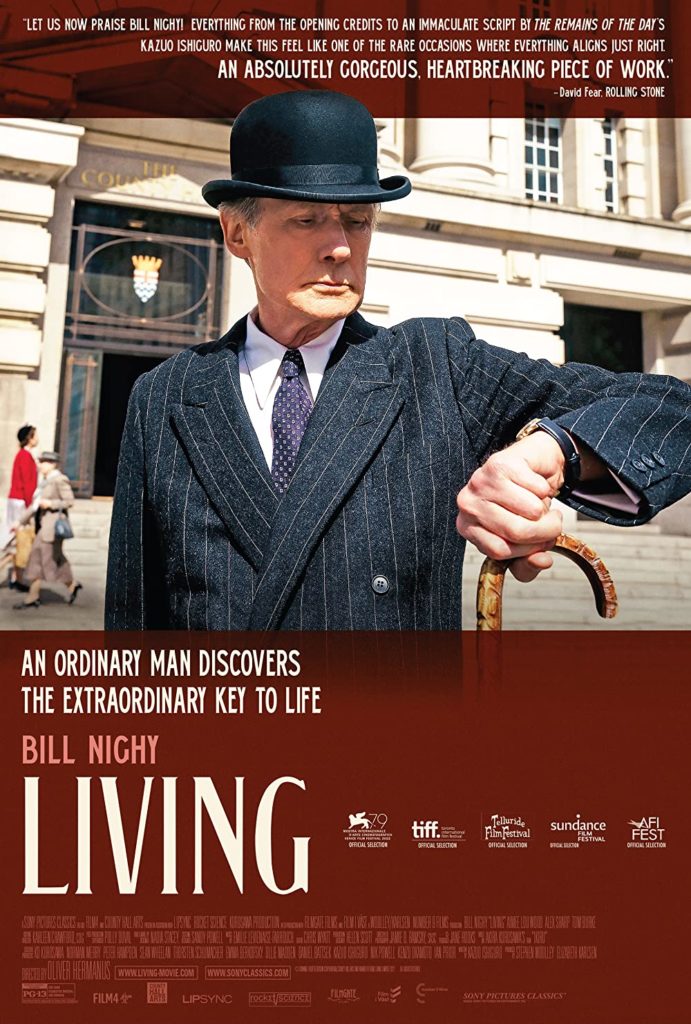 According to my father, David Mamet once said that his scripts are about “men in confined space.” I have been unable to verify this quote, but if you look on the internet, there’s an awful lot of writing about Mamet and “confined space.” In particular, I suspect the origin of this apocryphal statement may be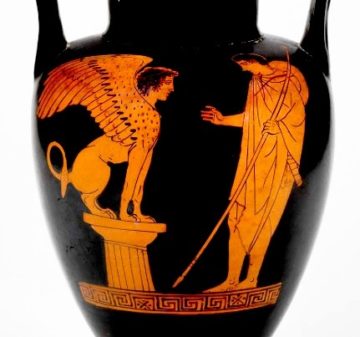
 Kevin Beasley. Reunion.


 My favorite bookstore closed this month. Well, my favorite bookstore in Zurich, where I live. Also it hasn’t actually closed, it’s only changing hands. But


 The season finale of
  Two weeks ago, outside a coffee shop near Los Angeles, I discovered a beautiful creature, a moth. It was lying still on the pavement and I was afraid someone might trample on it, so I gently picked it up and carried it to a clump of garden plants on the side. Before that I showed it to my 2-year-old daughter who let it walk slowly over her arm. The moth was brown and huge, almost about the size of my hand. It had the feathery antennae typical of a moth and two black eyes on the ends of its wings. It moved slowly and gradually disappeared into the protective shadow of the plants when I put it down.
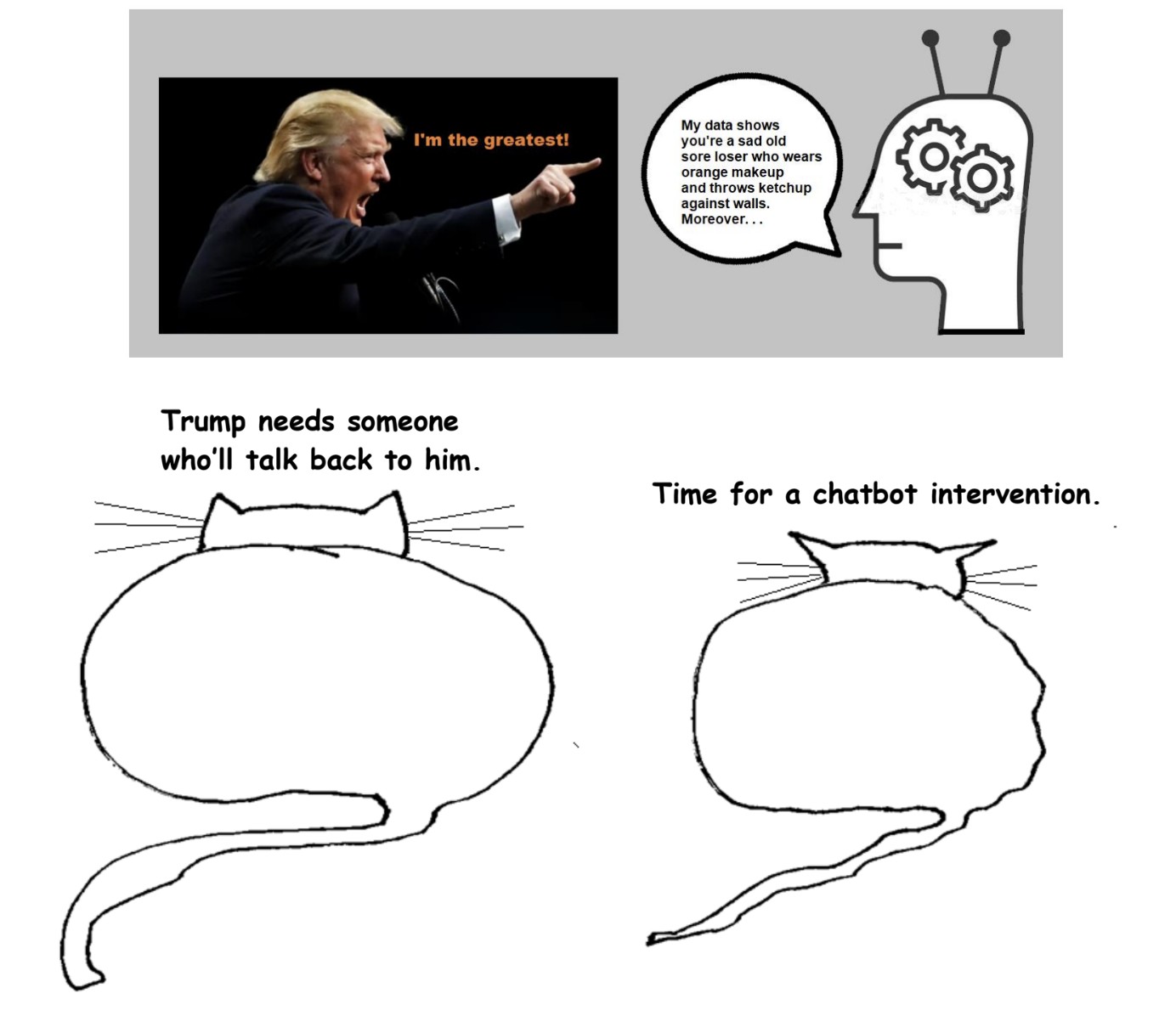
 Philosopher Harry Frankfurt is best known for his article-turned-manuscript On Bullshit, in which he distinguishes between lying and bullshitting. Most of us are raised to condemn liars more than bullshit artists, but Frankfurt makes the claim that we’ve all got it backwards. His argument is philosophical, rather than scientific, which means observable evidence is hard to come by, but recent political events have filled the gap.
 Sughra Raza. Untitled. Cambridge, 1999-2000.