
by Marie Snyder
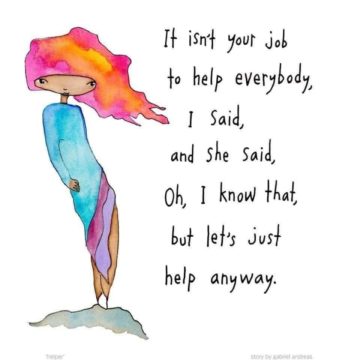 Will re-branding Covid help people start acting to protect themselves from it? Maybe we need an ad campaign to kick-start public health. Outside of judicial rulings and before marketing, we had religious leaders to remind us to the best ways to survive, and before that we had stories passed down for generations to help keep children safe from harm by altering their behaviour, like this one:
“Our parents told us that if we went out without a hat, the northern lights are going to take your head off and use it as a soccer ball. We used to be so scared!”
Unfortunately, those types of stories are unlikely to work on media-savvy kids today. They also seem immune to stories about going out without a mask, and being cautioned that the invisible microbes are going to infect your brain and body until you can’t get out of bed anymore. They’re not scared at all.
Except that one is true.
We don’t need to live in fear, but we do need a healthy wariness of the dangers of frostbite, drowning, cars, and pathogens. We train our kids to be careful near the road and near water. We watch out for them. Unfortunately, we’ve largely stopped doing that with pathogens, and children are paying the price.
We might think that stories of monsters won’t work, yet advertising is still able to convince us to want things we didn’t know existed five minutes ago. We need to market the virus differently. Read more »
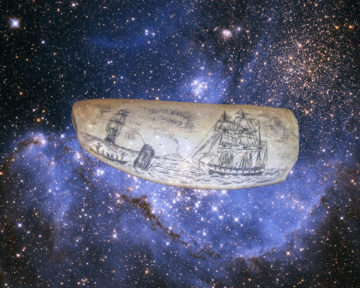
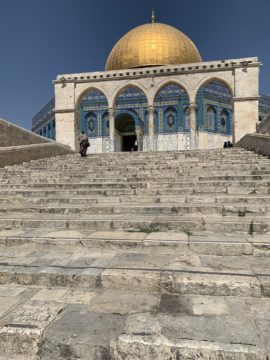 Masjid Al Aqsa, or The Far Mosque of Jerusalem, as the Quran calls it, is emblematic of the spirit of compassion and transcendence for Mevlana Rumi. “A heart sanctuary,” in the words of Rumi in his poem “The Far Mosque,” Al Aqsa represents a conquest over the egoistical desires of dominance, greed, vanity, violence and supremacy. It is held together by the sacred energy of merciful love, even “the carpet bows to the broom/the door knocker and the door swing together/like musicians.”
 In 2016,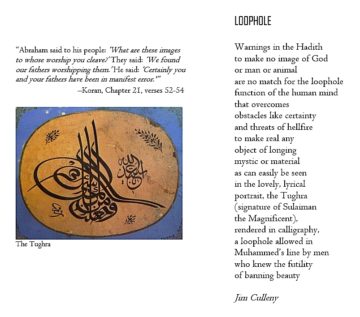
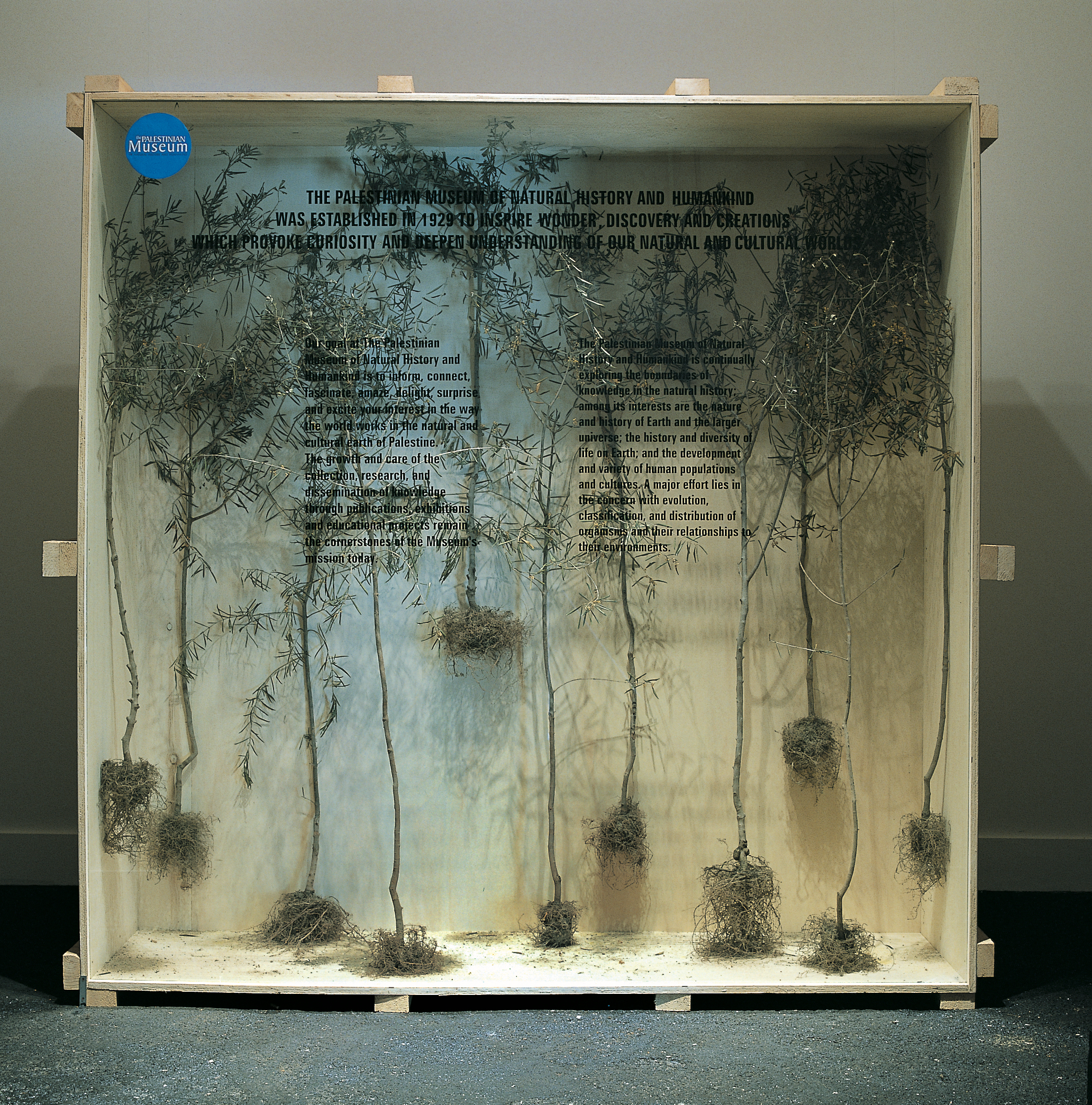 Khalil Rabah. About The Museum, 2004.
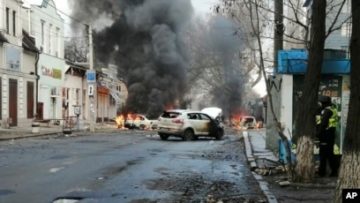 If a city could be an organism, then Kherson in Eastern Ukraine would be a sick body. For eight months, between March and November 2022, Kherson was occupied by Russian forces. Kidnapping, torture, and murder – in terms of violence and cruelty, Kherson’s citizens have seen it all. Today, even though liberated, the port city on the Dnieper River and the Black Sea is still being regularly bombarded: a children’s hospital, a bus stop, a supermarket. Even though freed, how could this city ever heal?
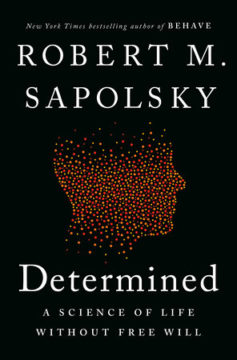 Two popular books released this year have breathed new life into the ancient debate over whether we have free will.
 We all naturally take an interest in the night sky. Just last week, my fiancee and I attended an event put on by the Astronomical Society of New Haven. Without a cloud in the sky, near-freezing temperatures, and a new moon, the conditions were ideal for looking through telescopes the size of cannons. To see anything, you had to stand in line, in the cold, for your opportunity to look at something for a minute.