
by Akim Reinhardt
 Last spring, American documentary film maker Ken Burns gave a commencement address at Brandeis University in Boston. Burns is a talented speaker, adept at spinning uplifting yarns, and his speech soon made the rounds on the internet. As is the way with commencement addresses, there were signposts pointing towards what awaited the graduates, and plenty of pablum on how to live a good life. But Burns also delivered his address as the nation was staring down the barrel of the 2024 election, and so in addition to vague life advice, he offered up ruminations on the near future.
Burns’ films strive to unite modern Americans through a shared understanding of the past. Personal displays of political partisanship would make that difficult, so beyond stumping for PBS and the Corporation for Public Broadcasting, Burns’ has always remained publicly neutral on the day’s political events and issues. Yet during his speech at Brandeis, Burns broke with this tradition, and voiced dire political concerns. Without naming Donald Trump directly, he warned of the potential calamity a second Trump presidency would bring.
Trump’s hyper divisiveness is in direct contrast to Burns’ plaintive, gather-round-the-maypole interpretation of America. And even nearly a year ago, Burns already grasped the threat that Trumpism poses to U.S. constitutionalism and democratic institutions. In many ways, Burns and Trump couldn’t be less alike, and Burns spoke with gravitas, as if he felt duty-bound to move beyond his comfort zone and warn the nation, even if he was preaching to the choir at Brandeis.
Yet the distance between Donald Trump and Ken Burns is neither so simple nor so vast as it seems. It may sound counterintuitive, but Ken Burns’ version of U.S. history actually has quite a bit in common with Trump’s version. I say this as a professor of history, and I think that if we’re willing to look past all their obvious differences, and identify their subtle intellectual overlap, we can perhaps learn more about what it means to be American today than we ever could from Burns’ saccharine films or Trump’s racist rants alone. Read more »


 In recent public debates it has been argued that the implementation of Artificial Intelligence in weapons systems is changing the nature of war, or the character of war, or both. In what follows, my intention is to clarify these two concepts of nature of war and character. It will show that AI is a powerful technology, but it is currently neither changing the character nor the nature of war.
 Orwell has surely been safe for ages – through just two famous books, neither of which is Keep the Aspidistra Flying. His essays seem alive too. Ideology plays a role here: he was saying things in Animal Farm and 1984 that influential people wanted disseminated. You couldn’t get through school in Britain without being made to read him. I persist in thinking him overrated. Will he fade without the Cold War? There’s no sign of it yet.

 When I think of New York City, the first image that rises to the surface isn’t its vaunted skyline, those defiant towers scraping at the heavens. It isn’t the classical grandeur of the Metropolitan Museum where civilizations whisper through marble and canvas, nor the razzle-dazzle of Broadway where melodies unfurl amidst a fever of lights and applause. No, of all the things I could remember, the image that lingers most is one of angst—dense, unrelenting and amorphous, like yellowing seepage on the walls of an old house, eating it from the inside out.
 Meanwhile, in New Delhi, the capital city of India to which I’ve just returned, I’ve been startled to find a different rhythm altogether – slower, steadier, and far from the edge of a precipice. Here, the streets hum with chaos, the air is thick with dust and petrol, and the disparities between wealth and poverty gape wide. And yet, amidst this, I see people who seem—dare I say it?—happier. Their circumstances, when measured against any global standard of “quality of life,” are objectively harsher than those of the stressed and striving New Yorkers I left behind. But their faces, their words, their mannerisms suggest something else entirely.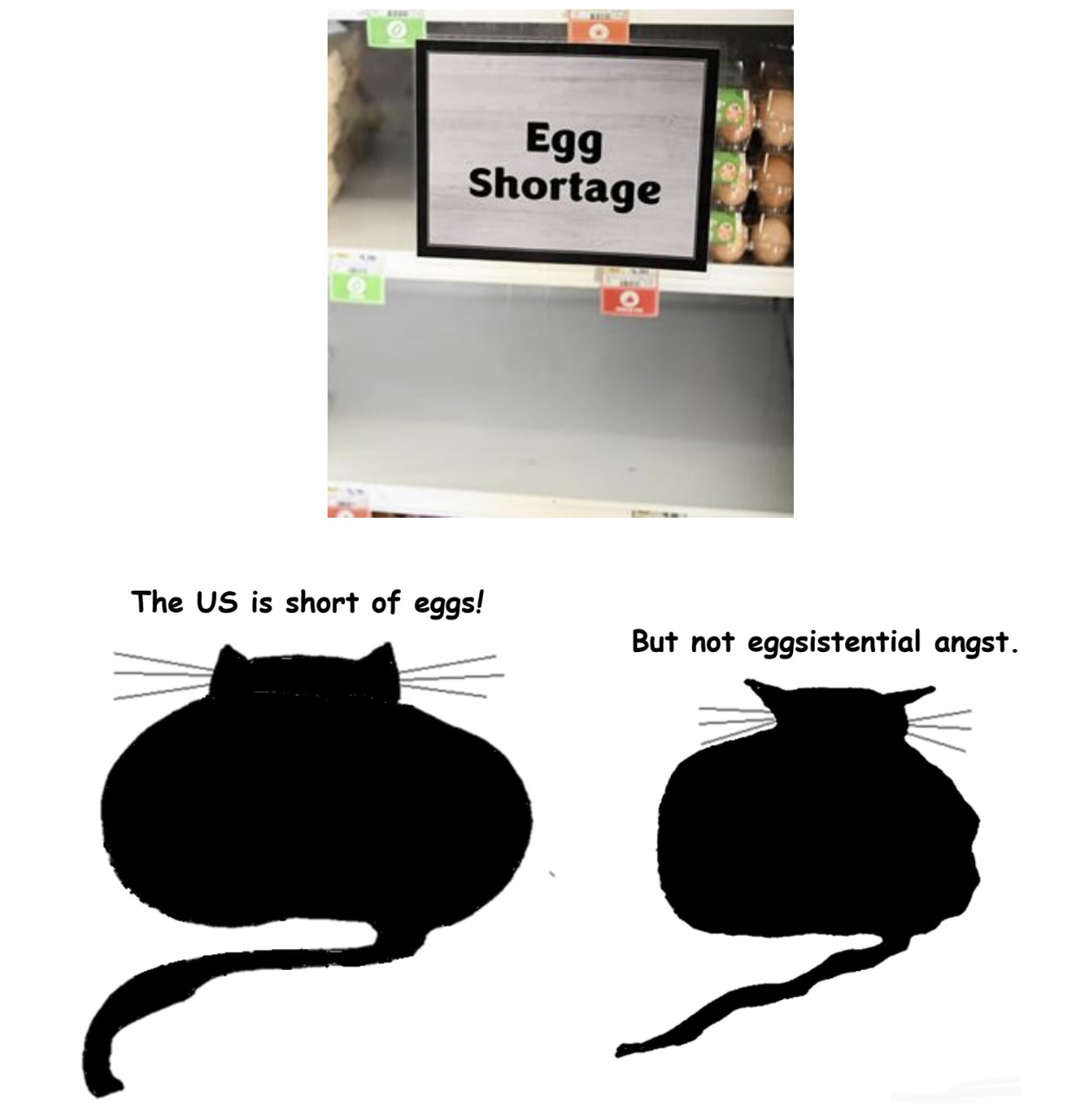


 Sughra Raza. Self Portrait At Home. December 2024.
 After many years as a practicing lawyer, I remain proud of what I do. Putting aside lawyer jokes, stale references to ambulance chasing and analogies with other professions that charge by the hour, I have enjoyed doing what lawyers do and I am unapologetic about it.
