
by Lei Wang

It’s my birthday twice a month, every month. Or at least I treat each 13th and 27th as if it were my birthday. I don’t ask anyone else to pretend with me; I keep to the usual annual celebratory imposition. It is an internal orientation.
From morning to night on the 13th and 27th of the month (because I was born on a 13th and like odd numbers), I feel the day is special. I can do whatever I want. Technically, as a writer and freelance worker, I can pretty much always do what I want, but external circumstances don’t always match internal understandings. And the ability to always do what I want is also the pressure to be always working, no real evenings or weekends, because I can (though mostly because I’ve procrastinated during the day). How much work is enough when you work for yourself, when you are supposedly doing the work you love? Even resident doctors get two days off a month, to save their own lives. And so: my self-made fortnightly ritual.
What I always want to do is lounge around but on my “birthday,” I can lounge without an ounce of guilt. I may still choose to write a bit, but then I feel extraordinarily virtuous—to be working on my birthday! (Yes, my birthday is secretly a productivity hack.) I get the fancier chocolate at the grocery store which I may have justified on another day, but today, I don’t even have to justify. I light the jasmine-bergamot candle I have been hoarding. I am magnanimous with myself. Whatever I do, there is a rare sense of permissiveness that even real birthdays don’t have: there is some pressure to revel on actual birthdays, and the potential for disappointment, while on private birthdays I can do anything I want which includes nothing at all.
Perhaps I even need to work—probably, in fact, I have not quite planned my time well and unlike Jesus’ birthday or the birthdays of nations, my fake birthdays necessarily fall on random, inconvenient days. But even working, I think, just for today, I don’t have to be perfect. It’s my birthday. And there is a special pleasure in a random Tuesday no longer being random, just because I imagined it so. Read more »

 In a recent article, ‘




 Even if Ronald Reagan’s actual governance gave you fits, his invocation of that shining city on a hill stood daunting and immutable, so high, so mighty, so permanent. And yet our American decay has been so
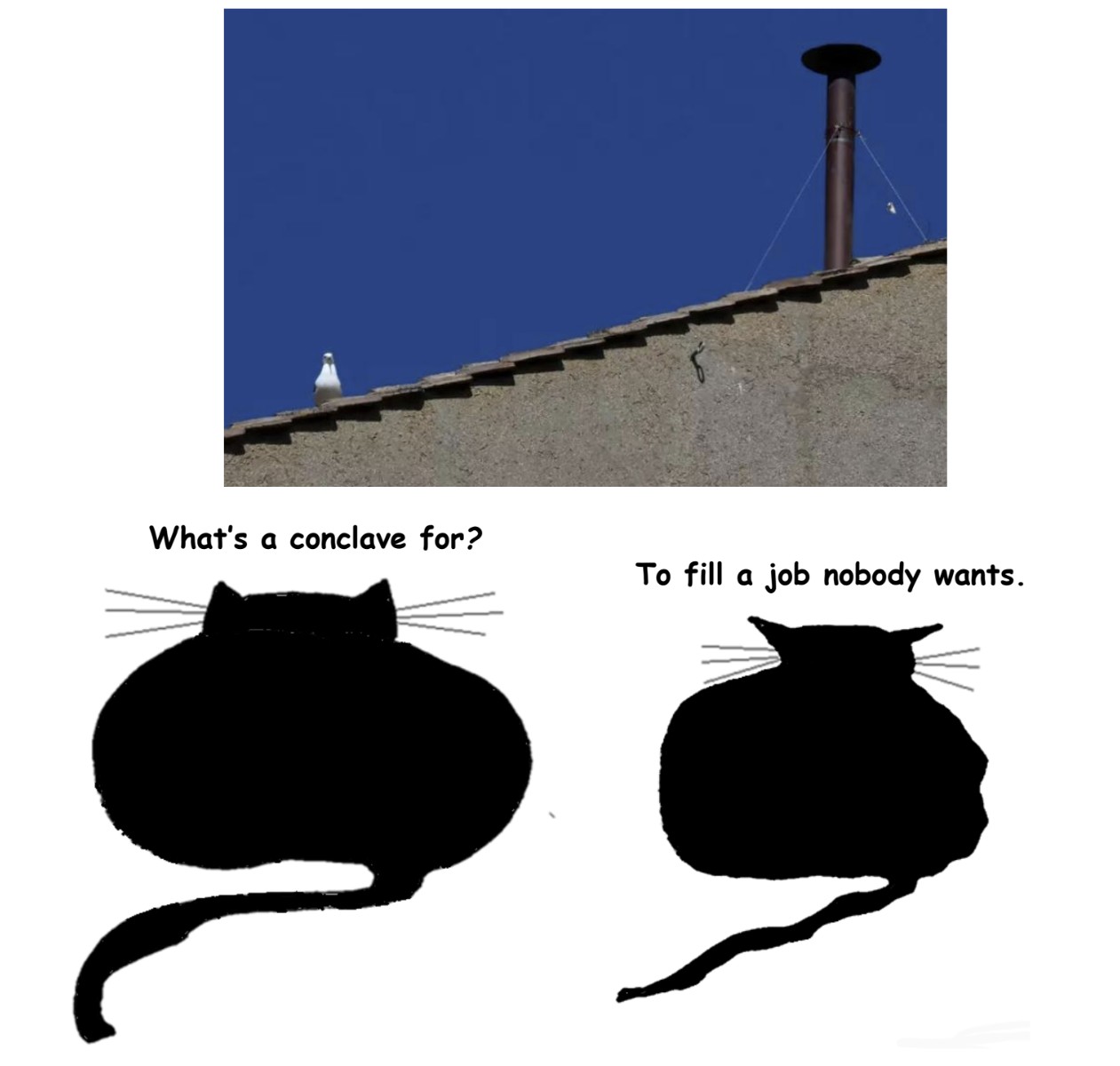


 Mulyana Effendi. Harmony Bright, in Jumping The Shadow, 2019.

 I take a long time read things. Especially books, which often have far too many pages. I recently finished an anthology of works by Soren Kierkegaard which I had been picking away at for the last two or three years. That’s not so long by my standards. But it had been sitting on various bookshelves of mine since the early 2000s, being purchased for an undergrad Existentialism class, and now I feel the deep relief of finally doing my assigned homework, twenty-odd years late. I think my comprehension of Kierkegaard’s work is better for having waited so long, as I doubt the subtler points of his thought would have had penetrated my younger brain. My older brain is softer, and less hurried.