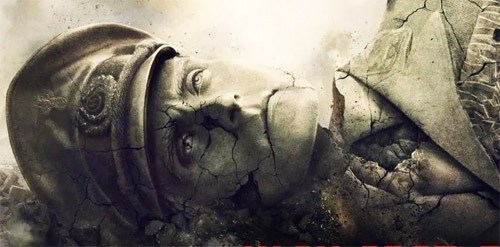
by Akim Reinhardt
Stuck is a weekly serial appearing at 3QD every Monday through early April. The Prologue is here. The table of contents with links to previous chapters is here.
 Back in 2014 I circled the country. It was a very long trip. From late August to early November I drove over 9,000 miles, all of it by myself. For many people, perhaps most, that kind of marathon driving day after day, particularly without someone to talk to, is only made bearable by listening to music. And given my own background, which has includes stints as a radio DJ, music critic, and rankly amateur musician, most everyone I know assumes I fall into that camp. Which is why they’re often shocked to find out that I don’t.
In fact, I do most of my long distance driving in silence. No mp3s, no CDs, no tapes, no radio, no singing outloud. Just the sounds of the road.
I love music as much as anyone I’ve ever known, but there is a time and a place for everything. And for me, the open road at 80 miles per hour is usually the time and place when I breath easily and clear my mind. I settle into the groove of the engine and the hum of the rubber rolling over the blacktop. I stare calmly at the world passing by. After a while, driving the contours of America becomes meditative. There’s no knowing what will pass in and out of my mind hour after hour. And when I finally pull over with a few hundred more miles on the odometer, I feel mentally refreshed and damn near at peace.
Often in my travels, there is no space for music roaring from the car speakers. Instead, I mostly crave the quiet, ambient sounds of the road and the magnificent machine that transports me over it.
When I tell people this, they often look at me in horror. Read more »
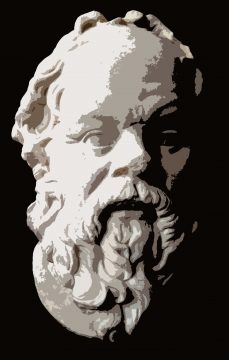
 As I sit here marveling at the inexorability of deadlines, even in the midst of holiday cheer, I consider that I should, in the absence of time for research ventures, write about “what I know.” Isn’t that the default advice for people who don’t know what to write about and don’t want to come across as false? Well, I spend at least half of my time, and most of my psychic energy, on tasks stemming from being a mother. But do I “know” anything about it? For example, how do you get your child to become a good person, and by that I don’t mean compliant or obedient, but ethical? I spend a lot of time fretting about it, but I don’t know if I have any answers.
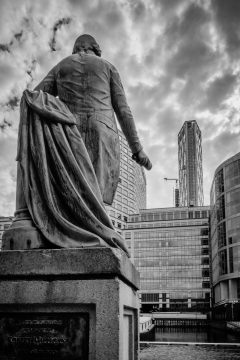
 In 1885 Mary Terhune, a mother and published childcare adviser, ended her instructions on how to give baby a bath with this observation: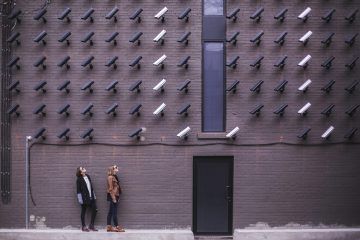
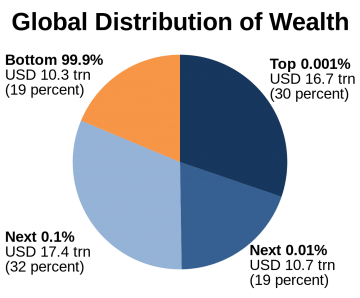 A 2011 survey by Michael Norton and Dan Ariely, of Harvard’s Business School, found that the average American thinks the richest 25% of Americans own 59% of the wealth, while the bottom fifth owns 9%. In fact, the richest 20% own 84% of the wealth, and the bottom 40% controls only 0.3%. An avalanche of studies has since confirmed these basic facts: Americans radically underestimate the amount of wealth inequality that exists – and the level of inequality they think is fair is lower than actual inequality in America probably has ever been. As journalist Chrystia Freeland put it, “Americans actually live in Russia, although they think they live in Sweden. And they would like to live on a kibbutz.”
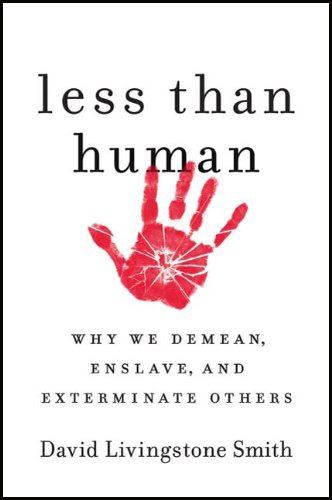 We are all aware that from amongst the vast diversity of life forms that inhabit the earth, human beings are exceptional. But while human beings are capable of inexhaustible creativity and goodness, they also have the potential to commit the most heinous acts and demeaning of fellow human beings. Accounting for such a phenomenon in the human condition and the committing of abominable acts towards their own species, is an issue that perplexes many. Perhaps the answer to such a question can be found by studying the genes or analysing the brain functioning of the perpetrators, but that could involve investigating entire populations who knowingly condone or participate in such acts. A simpler answer could be that human beings have yet to evolve into a species that is incapable of acts of inhumanity. David Livingstone Smith’s book Less than Human: Why We Demean, Enslave, and Exterminate Others offers us insight into the processes that lead to the designating of fellow human beings as ‘subhuman’ and makes possible the potential for human beings to perpetrate acts that can only be considered as evil.
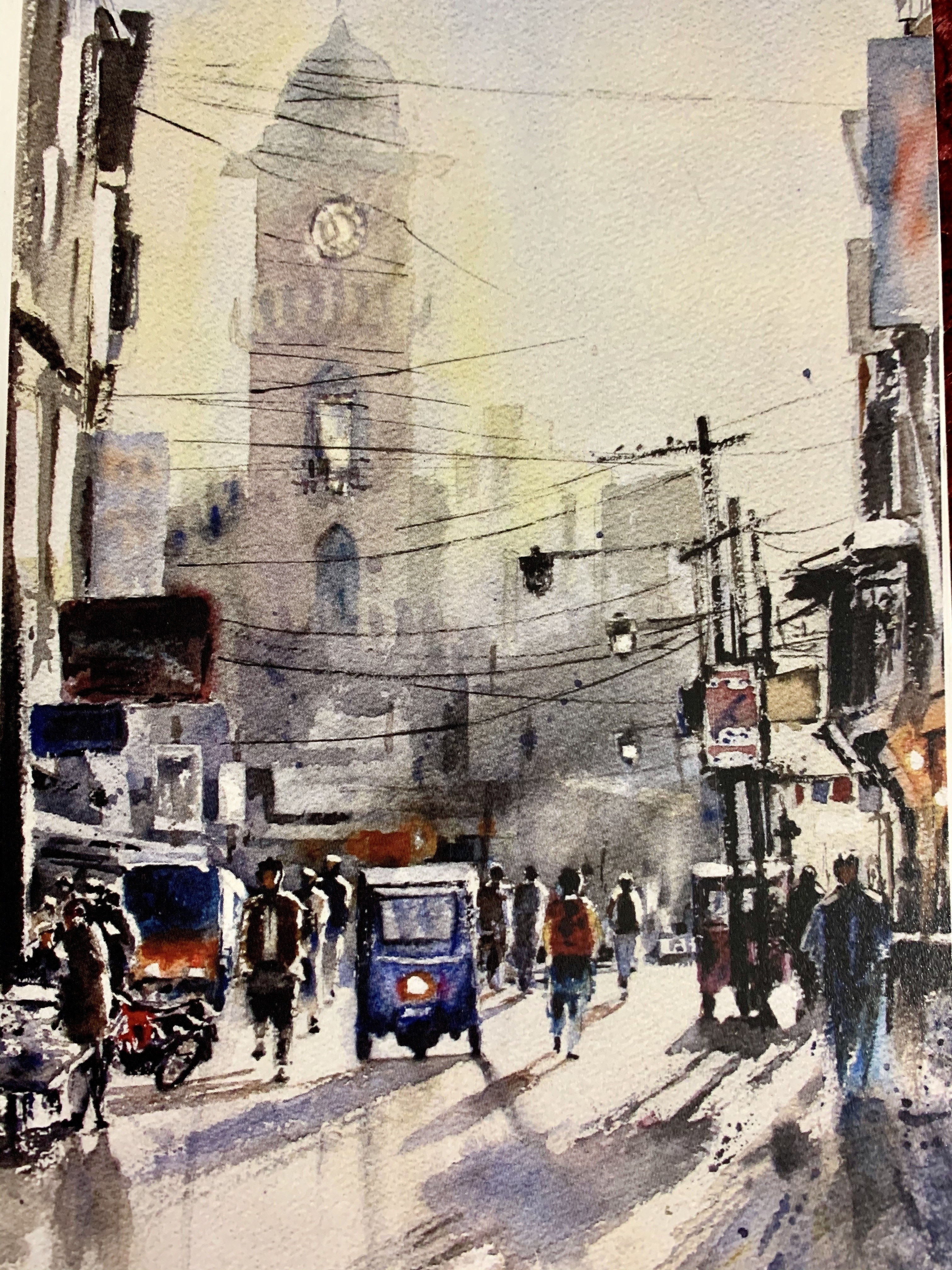
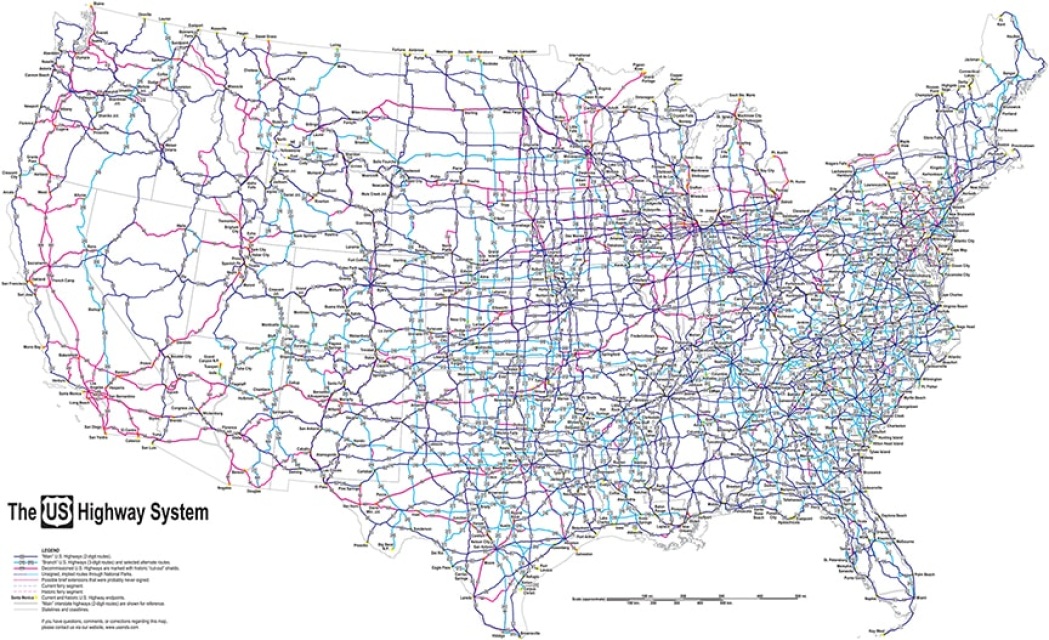 This song got caught in my head as I circled the country in my 1998 Honda. Leaving New York City, I drove west into the heart of America, up to the Dakotas, out to California, down the Golden State, and then back along the Southern route before angling northward to Baltimore. I saw nearly all the America you can see. But of course there’s not just one America. There are many.
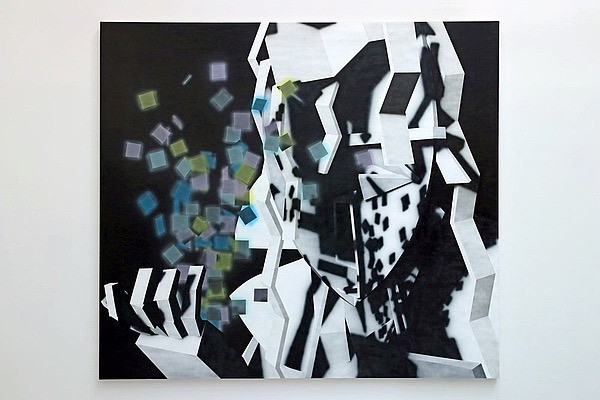
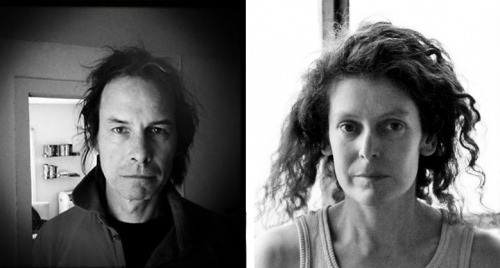 Eve Sussman and Simon Lee are visual artists who use a variety of media, ranging from photography and film to live performance. Some of their work experiments with narrative tropes in video, text, and the act of talking to other people on the phone or in the real world. Their joint projects include CollusionNoCollusion, created during a residency in St. Petersburg, Russia; No food No money No jewels, commissioned by the Experimental Media and Performing Art Center in Troy, New York; the performance/installation Barbershop; and the live channeling performance … and all the reporters laughed and took pictures. Together they co-founded the Wallabout Oyster Theatre, a micro-theatre run out of their studios in Brooklyn. Sussman and Lee also act as producers for Jack & Leigh Ruby, two reformed criminals who are now making art and films based on their previous career as successful con artists. Recently Sussman and Lee have started working with