
Dr. Robert A. Gatenby is the pioneer of Integrative Mathematical Oncology making Moffitt Cancer Center the only one in the world that has completely integrated mathematical modeling and computer simulations into basic science and clinical research. His goal is to use mathematics to examine the physiology of a tumor, including factors such as phenotypic evolution, intracellular communication pathways and interactions with the microenvironment including therapies. He is currently the chair of the Moffitt Cancer Center Department of Diagnostic Imaging and Intervention Radiology with over 400 publications to his name.
Azra Raza, author of The First Cell: And the Human Costs of Pursuing Cancer to the Last, oncologist and professor of medicine at Columbia University, and 3QD editor, decided to speak to more than 20 leading cancer investigators and ask each of them the same five questions listed below. She videotaped the interviews and over the next months we will be posting them here one at a time each Monday. Please keep in mind that Azra and the rest of us at 3QD neither endorse nor oppose any of the answers given by the researchers as part of this project. Their views are their own. One can browse all previous interviews here.
1. We were treating acute myeloid leukemia (AML) with 7+3 (7 days of the drug cytosine arabinoside and 3 days of daunomycin) in 1977. We are still doing the same in 2019. What is the best way forward to change it by 2028?
2. There are 3.5 million papers on cancer, 135,000 in 2017 alone. There is a staggering disconnect between great scientific insights and translation to improved therapy. What are we doing wrong?
3. The fact that children respond to the same treatment better than adults seems to suggest that the cancer biology is different and also that the host is different. Since most cancers increase with age, even having good therapy may not matter as the host is decrepit. Solution?
4. You have great knowledge and experience in the field. If you were given limitless resources to plan a cure for cancer, what will you do?
5. Offering patients with advanced stage non-curable cancer, palliative but toxic treatments is a service or disservice in the current therapeutic landscape?

 Banners waved, the converted preached and hawkers peddled hats, buttons, “Impeach This” sweatshirts and dodgy conspiracy theories. T
 Welcome to Des Moines, where unmarked satellite trucks troll snowy streets, coffee houses and hotel lobbies are broadcast-ready, and legions of reporters and crew and a few political tourists have swept up and besieged an entire town.
 First off, let me just get this out of the way: we share too much data about ourselves knowingly with companies and they collect, use and share even more than most of us are aware of (read through those lengthy privacy notices recently?). And unless you live in Europe with its pretty extensive GDPR rules, or
  Another not-necessarily-the-best-of-the-year mix, but there do seem to be a number of 2019 releases. Warning: this one’s pretty drony, so don’t be driving or anything. Sequencers next time, I promise! (A few anyway.)
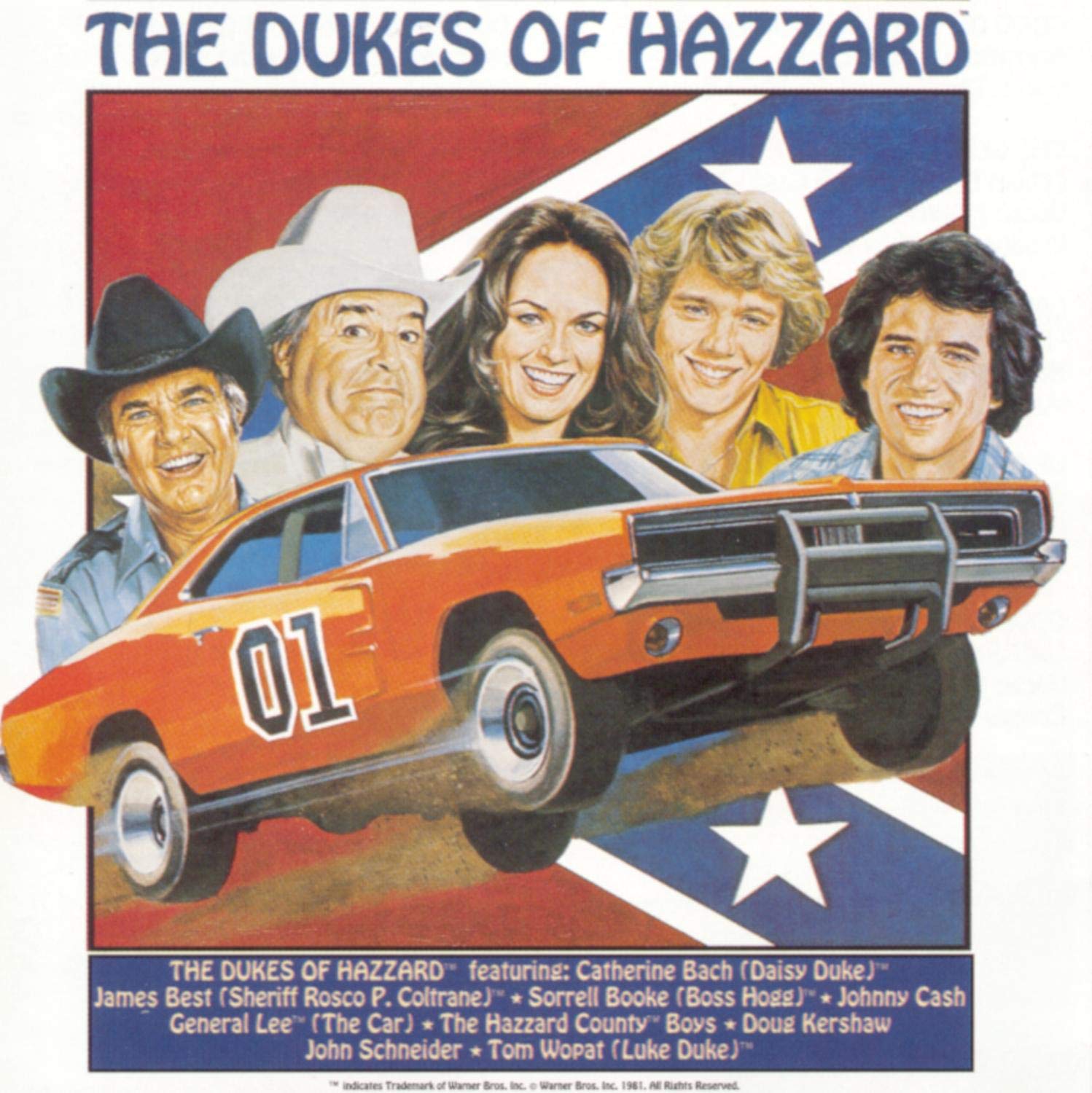 You’ve been an on-again, off-again working band for a decade. During that period there have been numerous breakups and seemingly endless lineup changes. Then, after years of grinding and uncertainty, you finally hit it big in 1975. You earned it.
 At least since Roe v. Wade was decided in 1973 the issue of Conscientious Objection (henceforth CO) has been an important one in the context of Catholic hospitals and women patients. Such hospitals object to the provision of abortions, contraceptives, sterilization, fertility care, and “gender-affirming care” such as hormone treatments and surgeries.

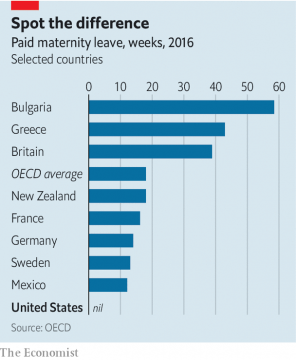 The United States continues to be virtually the
 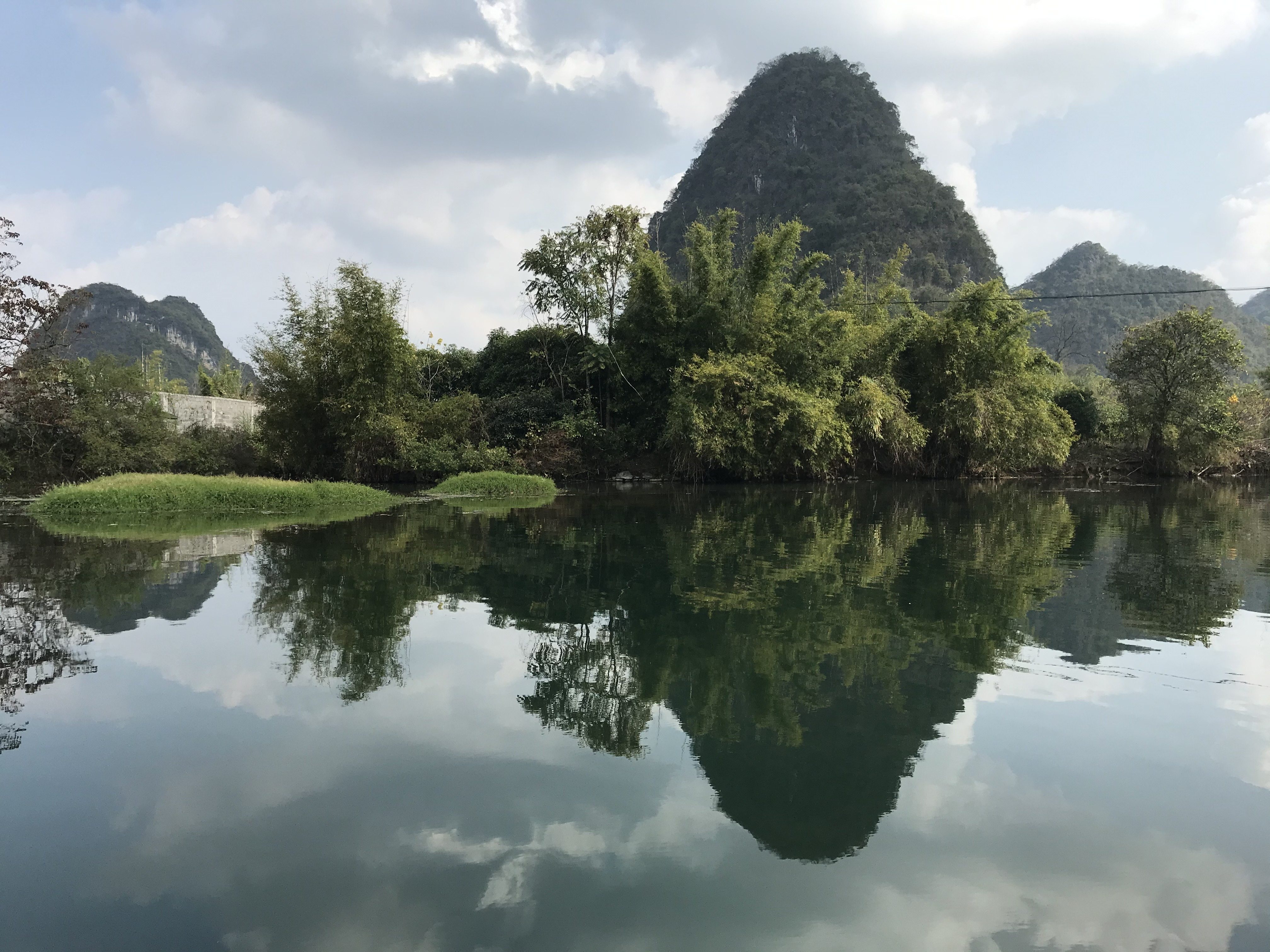 Sughra Raza. Rorschach on the River Li. Yangshuo, China, January, 2020.
 While you might not break into a neighbor’s house to log onto your Facebook account if your internet were down, a case can be made that many of us are victims of at least a moderate behavioral addiction when it comes to our smartphones. At the playground with our kids, we’re on our phones. At dinner with friends, we’re on our phones. In the middle of the night. At the movies. At a concert. At a funeral. (I was recently at a memorial service for my friend’s mother, and someone’s cell phone rang during my friend’s reminiscence.)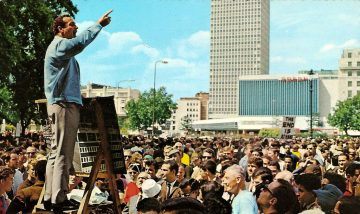
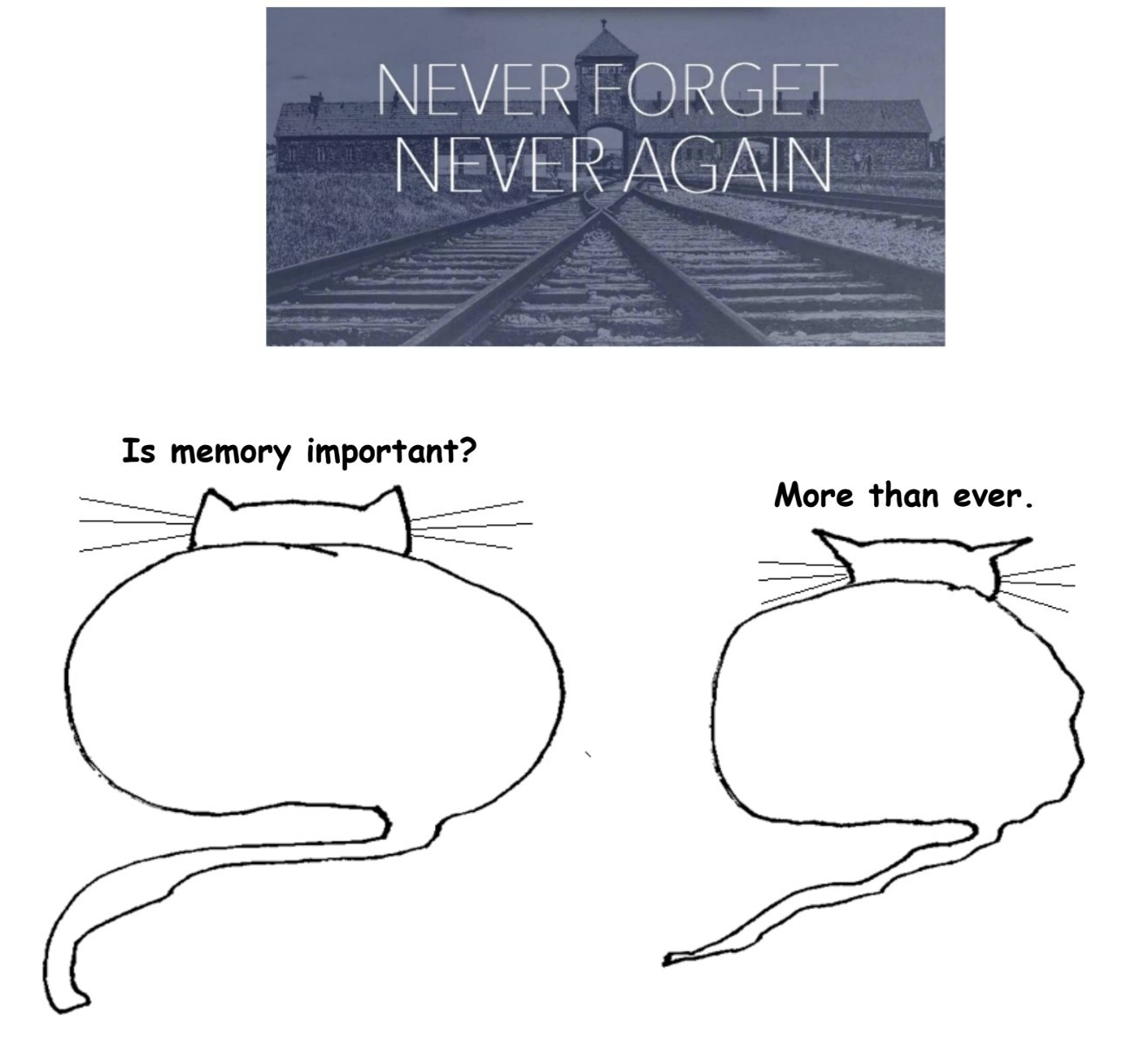
 When Vienna‘s Albertina Museum exhibition of works by Albrecht Dürer ended in January 2020, it seemed quite possible that several of the masterpieces on display might never again be seen by the public, among them The Great Piece of Turf. This may sound like a dire prediction for a fragile work that is routinely exhibited every decade or so, but as the UN announced recently, we may already have passed the tipping point in the race to save our world and ourselves. A decade from now we may be too engaged in the struggle to survive to focus our attention on a small, exquisite watercolor created 500 years ago.