
by David Hoyt
1.
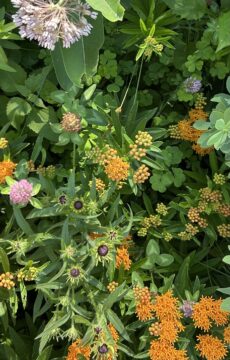
I consider myself a farmer. Instead of food, I raise habitat. Another way of saying it would be that, instead of raising food for people, I raise food for everything else.
2.
It’s risky to define oneself, because others have their own perceptions, usually different, and sometimes more accurate. In the traditions of Amazonian peoples, you must imagine yourself through the eyes of your enemy to know who you really are. They may see me as a crank, a bad neighbor, a fool, an idealist, or a privileged urbanite who wouldn’t know how to earn a living off the land or fix a tractor. All of these perceptions are, to some degree, true. As are mine of them.
Still, we maintain relations.
3.
Few of us do or can live off the land these days (or can fix their tractor). Even farmers shop for groceries, and a good grocery store can be hard to find in farm country.
4.
There’s a preconception that if land exists, it exists so that it can be put to use. If it’s not in use, it’s up for grabs, and you can just take it. Look into this idea and you will run up against a fellow named John Locke, who gave the idea some legs as the English were expropriating land from the Irish and, seeing how well it worked there, shipped it over to New England.
5.
The problem is, land is already in use, everywhere. By people, often, as well as by animals and other living things, and by the air and water. It is already working, only in ways that have not always been apparent, or which have been forgotten. A piece of rangeland that supported herds of bison which was allied with groups of Plains Indians does not only begin working when all of them are replaced with cattle and ranchers. It was working already, and on many things at once, not just a few.
6.
We need more habitat farmers. The fact is that land can serve multiple purposes at the same time, which is what it has always done. It can support human needs and activity, while also accommodating and inviting the non-human into a relation of cohabitation. This requires forethought, consideration, and scientific knowledge of how to accommodate the flow of life, rather than cutting through it or eradicating it. Read more »








 On method

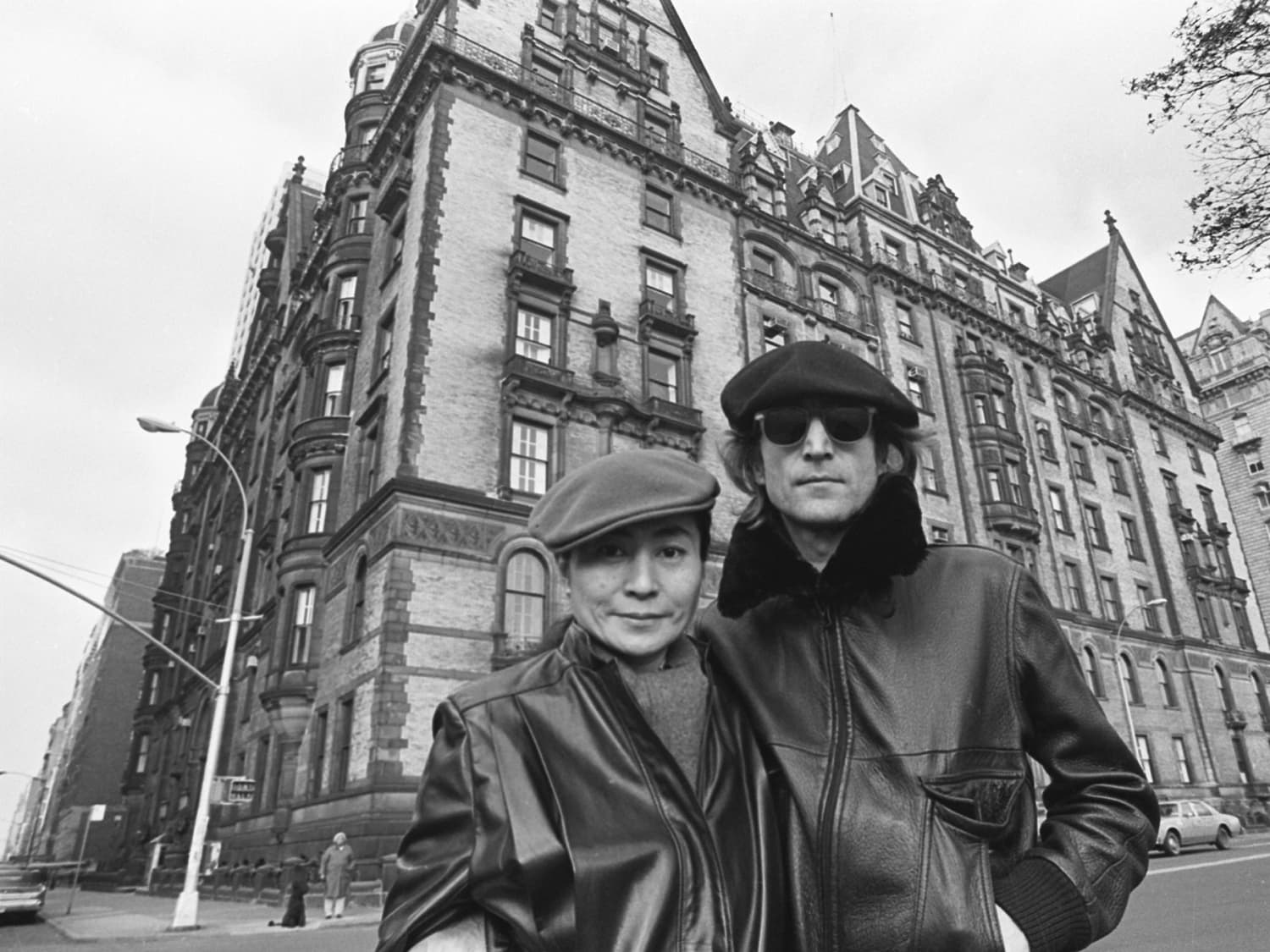 The only time I met Rex Reed, I was about seven years old. I went with my dad to Reed’s apartment in The Dakota on Central Park West so he could offer an estimate on painting the place. My father ran a very small general contracting business called Ken’s Home Improvements. Typical jobs involved him and one or two other workers. His theory on acquiring customers was to work for rich people since they had money; economies of scale were anathema to his soul. Reed qualified. A film and cultural critic for the New York Times, GQ, and Vogue, he’d been a judge for both the Berlin and Venice International Film Festivals by the time my little feet traipsed across his hardwood floors in the famous 19th century building with custom apartments and famous residents such as John and Yoko, and
 California’s primary is in about two weeks, and it’s a mess. The panic is slightly subsiding, though, since Democrats have started polling in one of the top two spots in the race for governor. For months, Republicans were polling first and second, with eight Democrats trailing because they split the vote. The California Democratic Party chair even urged low-polling candidates to drop out so as not to be spoilers.