by Nils Peterson
On Water
Somewhere I have stowed my astrology reading so I could put my hands upon it when I wanted to see it again. I don’t remember where. So there is something about a water sign [Scorpio] — a certain muddiness and flow of memory. All is at the bottom of the sea. Why is it so important to remember the longitude and latitude of any one thing? That’s for earth people on their certain ways across the sea’s broad expanse. Whatever the shift in tide, the turn of the current, throws up interests the water person, though it is not what he or she set out to find in the morning.
Euripides says that “The parched earth loves the rain; and high heaven, rain-filled, loves to fall earthward.” So, water is this too, a messenger between longings, as anyone given a chemistry set as a kid knows — those dusts that sit desiccate in a test tube until water brings out the longing of each for the other and a third being is created. Yet there is something else. There is a poem of mine which ends with a walk by the sea after a great winter storm looking at the bits and pieces of washed up wreckage, then I look out at the ocean where:
The waves still roll fiercely from far out
breaking over a new sandbar then gathering up
again to break once more full upon the shore,
and I think of how on even the calmest day there
is a little shimmer against the solidness of land,
a little rolling againstness, and I feel the ancientness
of the anger hard and tight in her belly six miles
down in the dark fold of the Mindanao Deep.
So, water buoys, carries, flows, dissolves, beaches, creates, destroys. It sucks under. It throws up. It rains. It pours. Empedocles calls fire “destructive strife” and water “tenacious love,” and he saw that love and strife produced all change in their combinings and separatings. Read more »
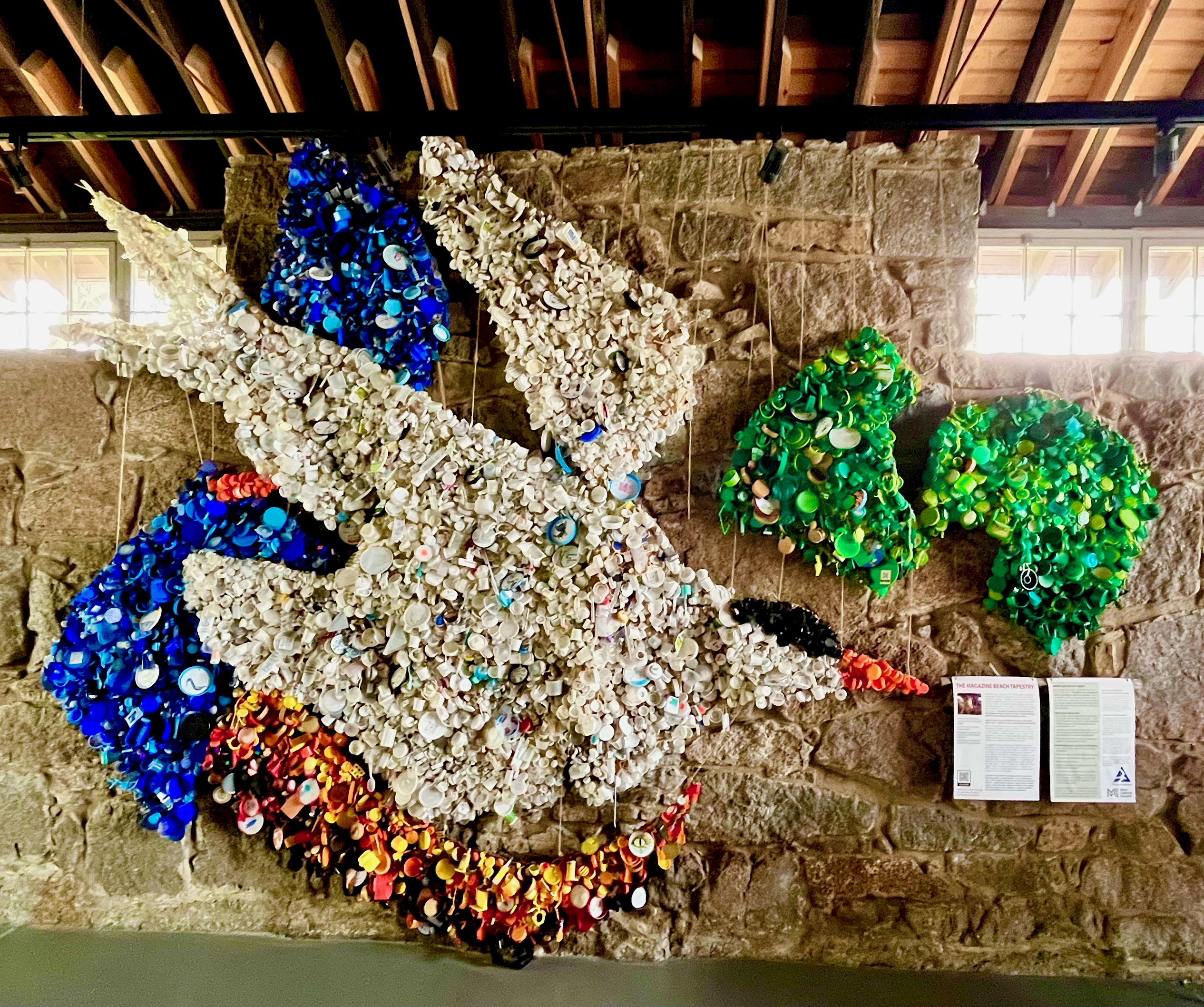 Michelle Lougee, Cecily Miller. Magazine Beach Tapestry, 2022.
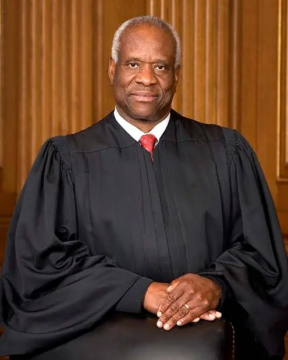 Justice Clarence Thomas recently gave a speech at the University of Texas on the Declaration of Independence in anticipation of its 250th anniversary this coming July. In giving his take on the Declaration and its ties to the Constitution, Thomas interspersed autobiographical details with commentary on what he perceives to be America’s moral failures to live up to the Declaration. Thomas attributed these failures to what he called “progressivism.”
 Before I launch into any critique of the phone, I should confess that I am not immune to its seductive qualities. I am not writing from a mountain, purified by silence, looking down at the scrolling masses. Like almost everyone else, I spend too much time on my phone. I reach for it when I am bored, when I am anxious, when I am tired, when I have two minutes between tasks, and the list goes on and on. I have checked it without wanting anything from it. I have opened one app, closed it, opened another, returned to the first, and emerged several minutes later with nothing gained but a vague sense of …something so amorphous that I can’t even begin to find the words to describe it.



 By definition, in order to be prolific, you only need to produce and publish a lot of work.
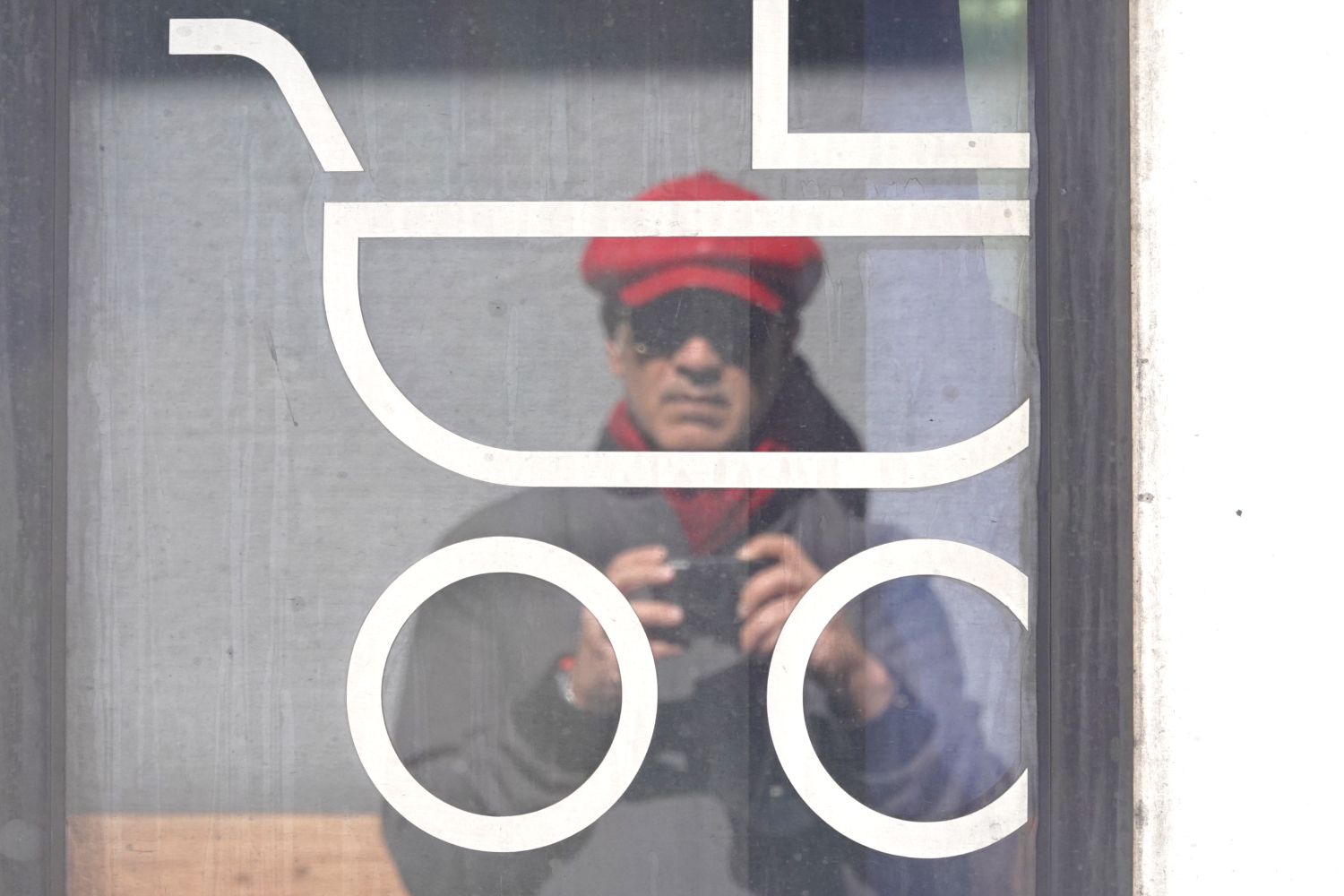
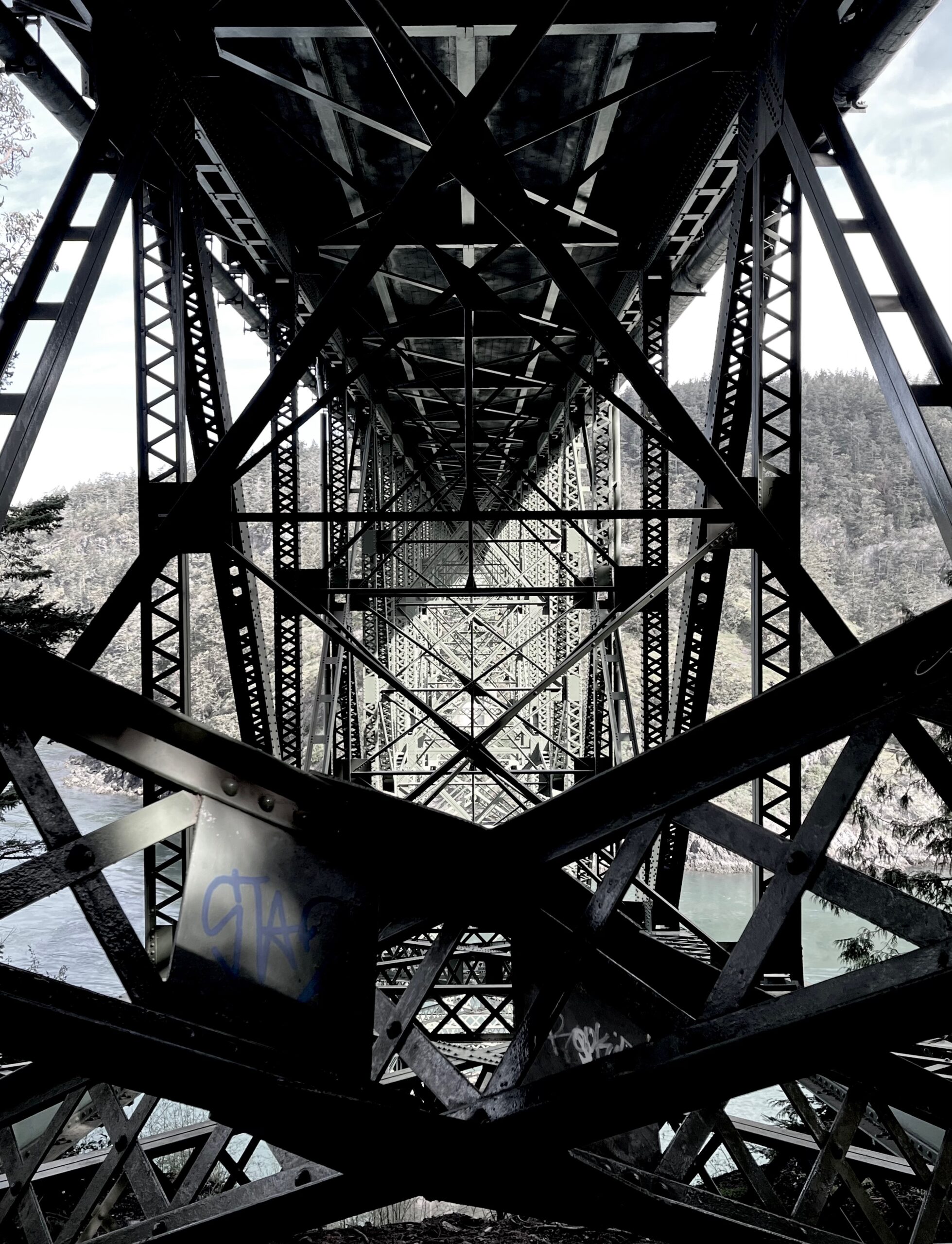 Sughra Raza. Under the Bridge at Deception Pass, Washington. April 2026.
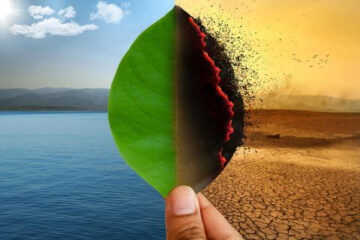 Donald Trump has famously called climate change and global warming a hoax. Ignorant and benighted as he is, he is far from alone. Skepticism about global warming and its causes is widespread. One overly kind reading of this skepticism is that it is, to an extent, a consequence of the general problem of dealing with very big numbers and very small numbers. Such numbers fall outside people’s familiar mid-size range, and so intuition about them isn’t well-developed. Also unfamiliar to most are the effects of exponential growth or decline.