by Akim Reinhardt
 I drive in silence these days. That in itself is nothing new. For years, my solo road trips across America have featured long stretches of near silence. Nothing coming from the speakers. No talk, no music, no pleading commercials. Just the whir of the road helping to clear my mind.
But not at home.
Tooling around Baltimore, whether commuting about twenty minutes each way or running some errands, I almost always have the radio on. Or at least I did. That started to change in January and February, though the issue dates back to last November.
Donald Trump’s victory was not much of a surprise, but deeply depressing nonetheless. And it was the first time an election depressed me. There’s been no shortage of shitty politicians I’ve hated to see win elections in the past. But this felt different. Maybe because I’m a little older now and my perspective is changing. Maybe because it was so obvious there would be very few guard rails the second time around. Maybe because Trump really is a psychopathic rapist and aspiring dictator who has successfully chipped away at democratic norms while transforming the U.S. presidency into shameless kleptocracy while about a third of the electorate ardently roots him on. Whatever the reason, it was very clear to me that a new, very fucked up version of “normal” was about to unfold, and the one thing I could not stomach was reputable news agencies, dizzy with fear, doing everything they could to sound “objective,” which meant actively sticking their heads the sand and pretending that everything was still the old, familiar normal.
At the opening of Trump’s second term, that was NPR to the max, for all the good it did them; it took Trumpists all of half a year to defund the Corporation for Public Broadcasting. As if you couldn’t see it all coming. I certainly did, and I absolutely could not bear to listen to them normalize the pending Trumpist assault on the U.S. republic. But I didn’t switch the station. Instead, I did something that, as a former radio DJ myself at two different public stations, surprised me. I turned the radio off. Which is a shame, because it meant I was forsaking Baltimore’s fairly robust radio scene. Read more »



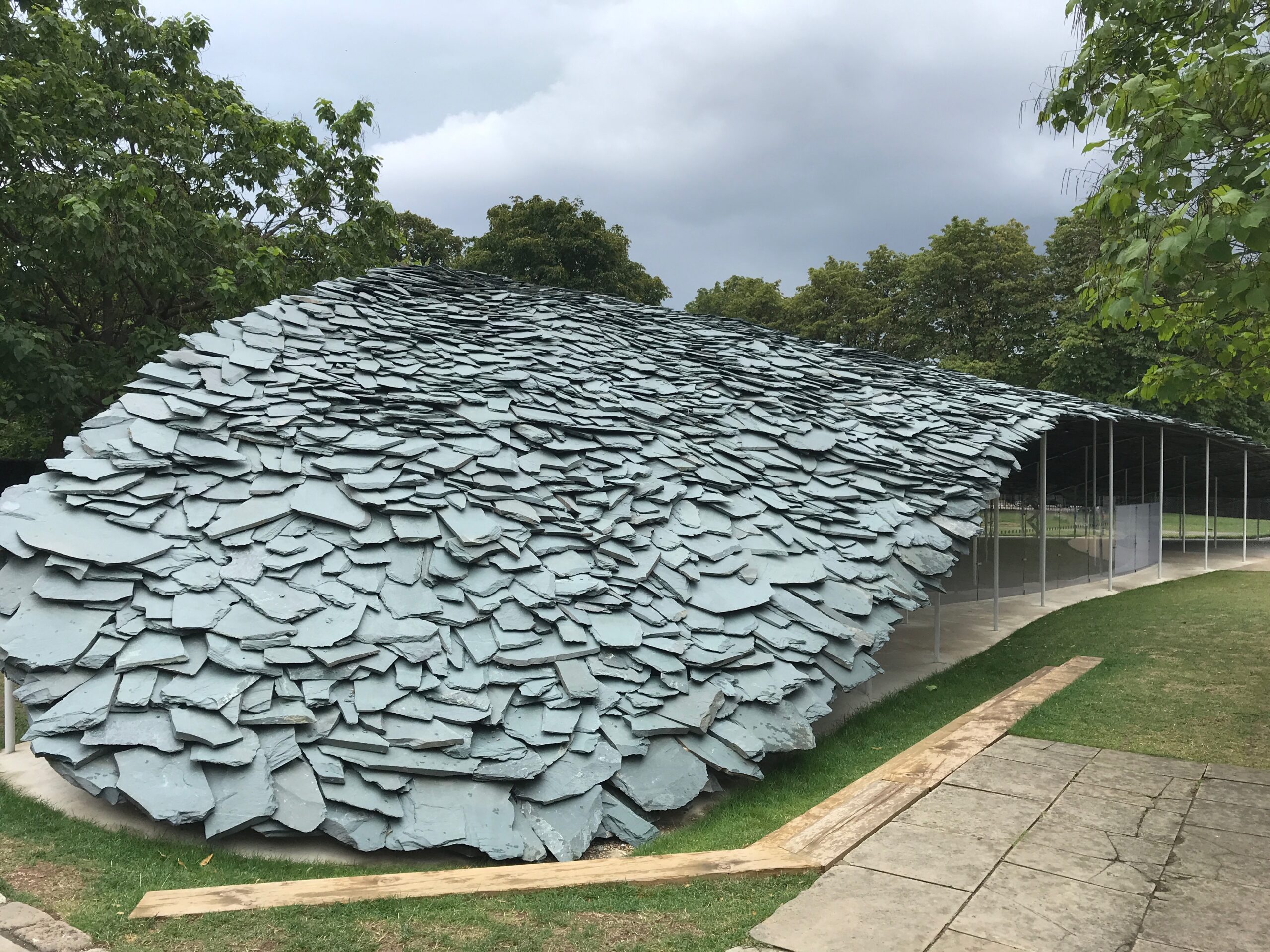 Junya Ishigami. Serpentine Gallery Pavilion, 2019.

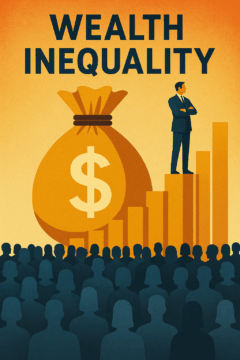 By many measures wealth inequality in the US and globally has increased significantly over the last several decades. The number of billionaires has increased at a staggering rate. Since 1987, Forbes has systematically verified and counted the global number of billionaires. In 1987, Forbes counted 140. Two decades later Forbes tallied a little over 1000. It counted 2000 billionaires in 2017. In 2024 it counted 2,781, and in March this year it counted 3,028 billionaires (a 50% increase in the number of billionaires since 2017 and almost a 9% increase since 2024).
 Recently I’ve noticed that a new wave of
 There was a prevailing idea, George Orwell wrote in a 1946 essay