by Akim Reinhardt
 White Americans get a lot of things wrong about race. And not just the relatively small number of blatant white supremacists, or the many millions (mostly over 50, conservative, and/or Republican) bitter about the supposedly undue attention, sympathy, and “breaks” that minorities receive; who insist actual racism was a problem only in the past, because Civil Rights “fixed” it; who believe anyone complaining about racism is just looking for an unfair edge in America’s level, color-blind playing field; who decry so-called “reverse racism”; who actually believe it is harder to be white in America than to be black or brown; or who simply minimize and downplay the existence racism.
Not just them. Even the small majority of whites who recognize that race remains a big problem in America often get it wrong. For example, many (most?) of them think that race is primarily about black and brown people. It’s not. Racism is primarily about white people.
Minorities suffer the effects of racism, and we must acknowledge and work to end that; however, you cannot cure an infection by simply placing a band-aid over the sore. You must clean out the wound thoroughly, surgically if need be, disinfect it, and then attack the infection at its root with antibiotics. In the old days it might have meant cutting off an appendage or limb. Similarly, racism won’t end or even be substantially reduced by strictly focusing on the suffering of its victims and making amends. Those are important and necessary first steps, but they don’t get at the core of the problem. Minority suffering is racism’s result, but racism is caused by what white people think and do.
White people empathizing with black and brown people is important, and it is vitally important that whites listen to minority voices. However, ending or substantially reducing racism will not come about until white people talk to each other and sort themselves out. Because racism is a white problem. Read more »



 Not long ago, a reader complained, politely but firmly, about your humble author’s regrettable tendency to post something called “Blah blah blah pt. 1” and then never get back to it for part two, in particular the post about history, wondering if possibly I thought no one would notice that I had left it hanging. I admit the fault, but I assure my patient reader, or possibly readers, that I do indeed intend to finish each and every one of my multipart posts, and even to make clear how they are related to each other. (That’s the intent, anyway.) So fear not! (I do have to read some more history though … !) This time, though, I finish a different sort of multipart post: my end-of-2020 podcast. Plenty of unfamiliar names, even to me, but some great stuff! As always, widget and/or link below.
 Do you have a right to own a microwave oven? To be clear, ideally in a free society, absent a clear showing of harm to others, there’s a presumption that you can do whatever you want and own whatever you can make or buy. So, you do have a basic right to own things – to acquire property, as political philosophers like to say. But it’s consistent with that right for there to be a lot of rules and regulations around what you can own – and even prohibitions on owning certain kinds of things.


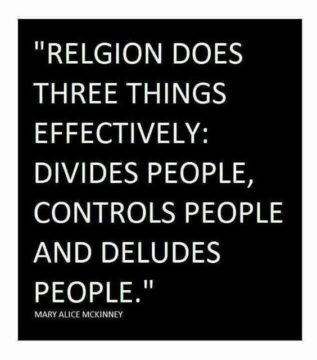 For those of us who classify ourselves as Nones—
 The presence of covid-19 running amok amongst us has momentarily disrupted the perimeters of our lives. That two, three, or possibly four generations are not always able to gather together under one roof has given rise to greater appreciation of the family.
 1. “A more perfect union.” The Founders expressed a breezy confidence, didn’t they? As if such a thing were possible – the distant states cohered into a nation; the various occupants working it all out. Loyal. Collaborative. Taking part in the common welfare. While remaining, of course, individual and autonomous and free, free, free. (Certain restrictions applied.)
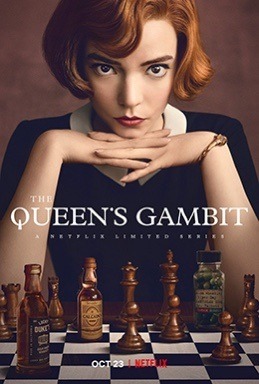 Two series have been streaming recently, to considerable success – The Queen’s Gambit (a Netflix miniseries, now concluded) and Succession (HBO, two series so far and more planned). They are interesting for a number of reasons – both for what they show, and perhaps more for what they do not, possibly cannot, show. So let’s consider some of the things we see and don’t see. I’m not going to recount the plot of either of them, as you can get that from Wikipedia and plenty of other places. But: spoiler alert: some will be divulged. Let’s look first at The Queen’s Gambit.