by Jochen Szangolies
Children, they say, are natural scientists (although opinion on what it is that makes them so appears divided). Each of us has probably been stumped by a question asked, out of the blue, that gives a sudden glimpse into the workings of a mind encountering the world for the first time, faced with the impossible task of making sense of it. While there may be an element of romanticisation at play, such moments also, on occasion, show us the world from a point of view where the assumptions that frame the adult world have not yet calcified into comforting certainties.
The questions I asked, as a child, where probably mostly of the ‘neverending chain of why’-sort (a habit I still haven’t entirely shed). But there was one idea that kept creeping up on me with an almost compulsive quality: how do I know what’s inside things? Is there anything, or is there just a dark nothing behind their flimsy outer skin? Granted, I probably didn’t phrase it in these terms, but there was a sort of vaguely realized worry that things might just suddenly go pop like an unsuspecting balloon pricked by a prankster’s needle, exposing themselves as ultimately hollow, mere shells.
It’s not such an easily dismissed idea. All we ever see of things are surfaces reflecting light. All we ever touch are exteriors. Even the tasting tongue, a favorite instrument of probing for the curious child, tastes nothing but what’s on the outside (incidentally, here’s something I always found sort of creepy: look at anything around you—your tongue knows exactly what it feels like).
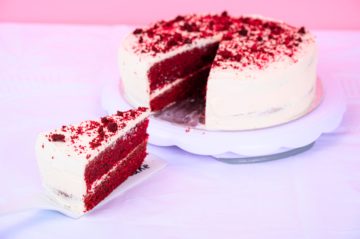
You might think it’s a simple enough exercise to discover the inner nature of things—faced with, say, the deliciously decorated exterior of a cake, in the best analytic tradition, heed your inner lobster, whip out a knife and cut right into it to expose the sweet interior. But are you then truly faced with the cake’s inner nature? No—rather, you’re presented with the surface of the piece you cut out, and the rest remaining on the cake platter.
The act of cutting, rather than revealing the inner, just creates new exterior, by separating the cut object—you can’t cut your cake and leave it whole. Whenever threatened with exposure, the inner retreats behind fresh surface. Read more »

 Tick, Tick . . . Boom!
 Of the senior professors at MIT other than Samuelson and Solow, I had a somewhat close relationship with Paul Rosenstein-Rodan, a pioneer in development economics. He had grown up in Vienna and taught in England before reaching MIT. He had advised governments in many countries, and was full of stories. In India he knew Nehru and Sachin Chaudhuri well. He had an excited, omniscient way of talking about various things. At the beginning of our many long conversations he asked me what my politics was like. I said “Left of center, though many Americans may consider it too far left while several of my Marxist friends in India do not consider it left enough”. As someone from ‘old Europe’ he understood, and immediately put his hand on his heart and said “My heart too is located slightly left of center”.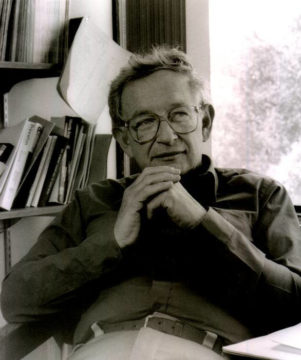

 Our human story has never been simple or monotonous. In fact, it has been nothing less than epic. Beginning from relatively small populations in Africa, our ancestors
  hookers rested after walking Hollywood Boulevard, or at least that’s what my mother once said of her counterparts who lived in rooms above the garages of a small apartment building on a busy street. While waiting for my father to return from prison, we lived in one of the garages, converted into a shelter.
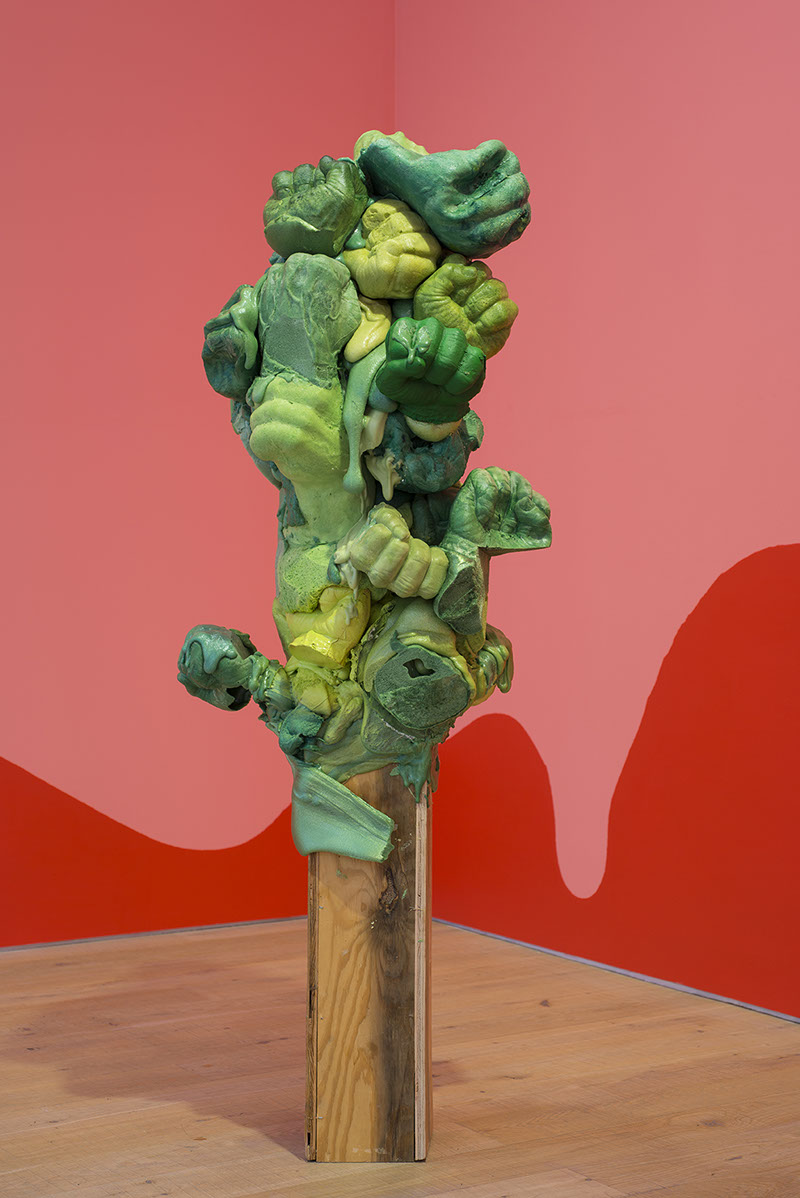 Catharine Ahearn. Incredible Hulk, 2014. In the exhibition “Everything Falls Faster Than An Anvil”.
 Do we Americans really have a shared, founding mythology that unites us in a desire to work together for the common good?
  It’s still a year away, maybe three, but you can see it coming.