
by Dick Edelstein

This is the second of three articles on the theme of historical memory. The first, which can be found here, deals with issues related to archival data on casualties and victims in the Spanish Civil War. In the present article, I discuss the activities of a movement to redress the exclusion of Irish women writers from the historical record.
Fired! Irish Women Poets and the Canon is a collective that became publicly known in 2017. It emerged from discussions among a group of women of varied backgrounds in both Northern Ireland and the Republic who shared a common interest in the status of women in the arts, and it was launched in response to the publication of the current edition of the Cambridge Companion to Irish Poetry, an authoritative compendium that is re-published periodically in updated editions.
The exclusion of women in that volume and others like it was neither remarkable nor novel; what was noteworthy on this occasion was the existence of a body of recently published research on the careers of a number of successful Irish women poets in the 18th, 19th and early 20th centuries. (A notable example is Poetry by Women in Ireland: A Critical Anthology 1870-1970 by Dr. Lucy Collins.) This research brought to light the poetry of several Irish women who had enjoyed important reputations in the past. The Cambridge volume ignored this research, and just four of its thirty chapters were devoted to female writers, while only four female critics had been commissioned to provide chapters.
The response was the launch of Fired! Irish Women Poets and the Canon through two lines of action: a pledge aimed at redressing the gender imbalance in Irish poetry and a series of readings throughout Ireland and abroad to focus attention on historical Irish women poets. Read more »
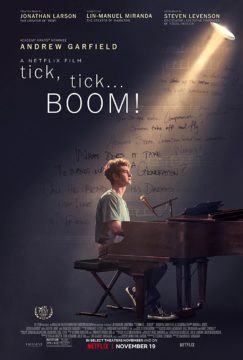 Tick, Tick . . . Boom!
 Of the senior professors at MIT other than Samuelson and Solow, I had a somewhat close relationship with Paul Rosenstein-Rodan, a pioneer in development economics. He had grown up in Vienna and taught in England before reaching MIT. He had advised governments in many countries, and was full of stories. In India he knew Nehru and Sachin Chaudhuri well. He had an excited, omniscient way of talking about various things. At the beginning of our many long conversations he asked me what my politics was like. I said “Left of center, though many Americans may consider it too far left while several of my Marxist friends in India do not consider it left enough”. As someone from ‘old Europe’ he understood, and immediately put his hand on his heart and said “My heart too is located slightly left of center”.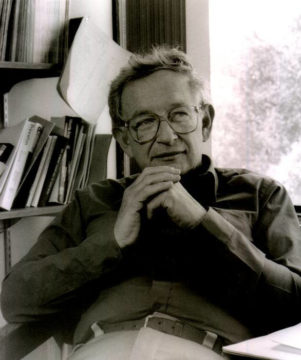

 Our human story has never been simple or monotonous. In fact, it has been nothing less than epic. Beginning from relatively small populations in Africa, our ancestors
  hookers rested after walking Hollywood Boulevard, or at least that’s what my mother once said of her counterparts who lived in rooms above the garages of a small apartment building on a busy street. While waiting for my father to return from prison, we lived in one of the garages, converted into a shelter.
 Catharine Ahearn. Incredible Hulk, 2014. In the exhibition “Everything Falls Faster Than An Anvil”.
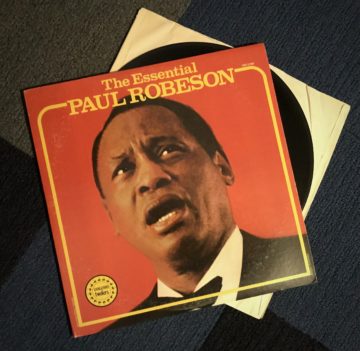 Do we Americans really have a shared, founding mythology that unites us in a desire to work together for the common good?
  It’s still a year away, maybe three, but you can see it coming.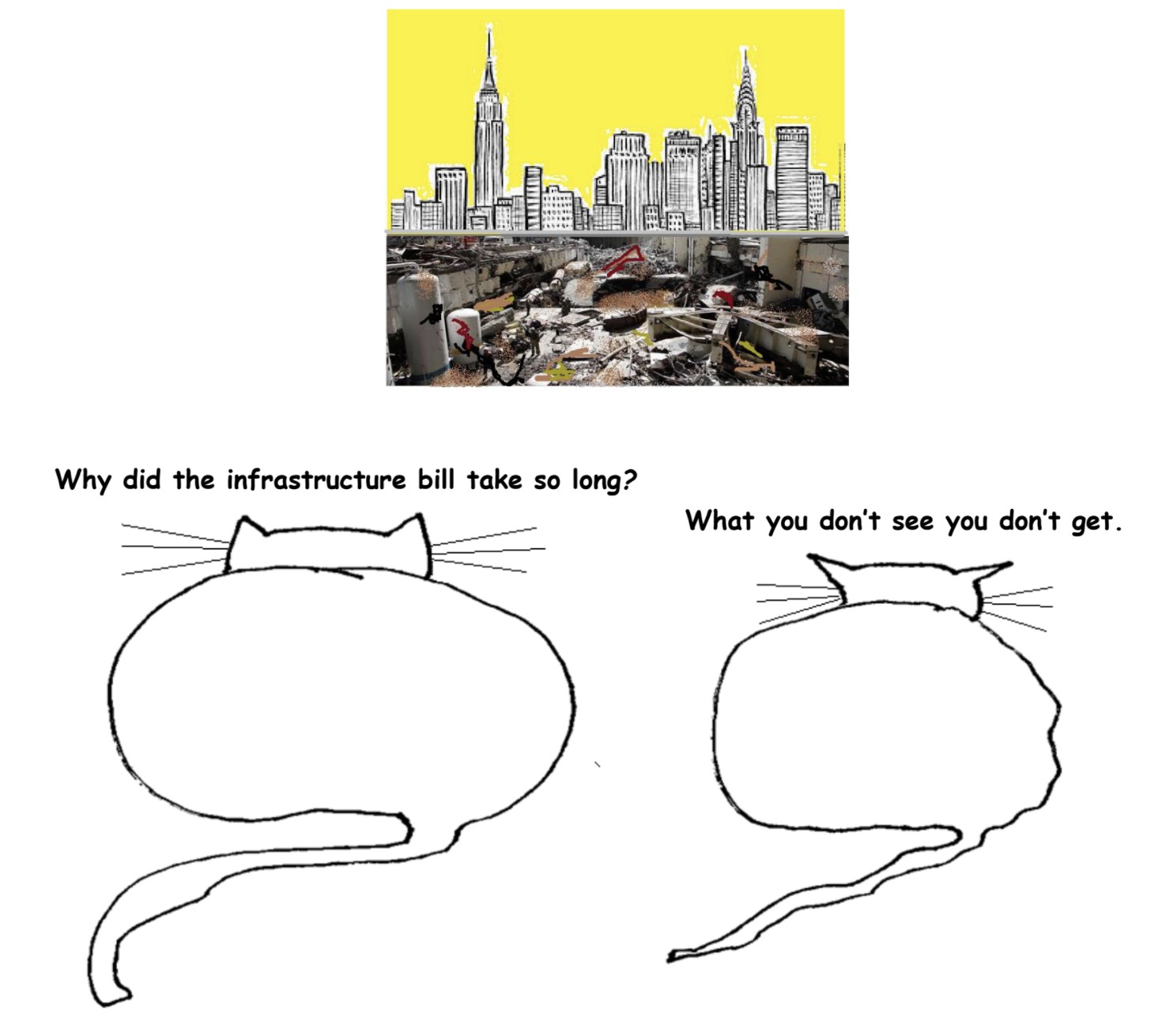




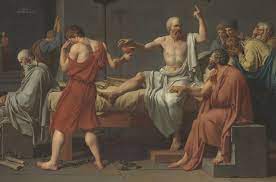 Philosophy, as we teach it in the U.S. and Europe, originated in Ancient Greece, specifically in the person of Socrates who wandered the marketplace tormenting fellow citizens with incessant questions and losing his life for his efforts. For Socrates, there was one overriding question that not only defined philosophy and distinguished it from other inquiries but was a question all human beings should urgently and persistently ask. What is the best life for human beings? His answer was that only a life in pursuit of wisdom regarding what is good could be fully satisfying and complete. The implication was that philosophy was not only a way of life but the best form of life possible since it was uniquely the job of philosophy to discover wisdom.