
by Paul Braterman
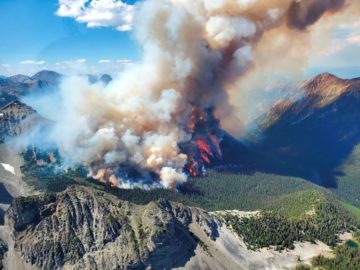
Within a single week, the raging Canadian wildfires have provoked opposite reactions from different wings of US evangelism, both claiming that their position is based on Genesis, with The Atlantic reporting on the churches’ deep political divisions. Statistical analysis confirms (is anyone surprised?) that July’s unusual heatwave across the northern hemisphere is almost certainly linked to human-caused climate change, which has also caused serious water shortfalls and aridification in the Colorado River basin, and is destabilising the North Atlantic system of currents on which the UK and northern Europe indirectly rely to keep Arctic weather at bay. Meanwhile, the fallout from the unexpected result of a by-election in a London suburb has exposed the dangerous vulnerability of climate policy to political disruption.
The Cornwall Alliance for the Stewardship of Nature, channelling the Heartland Institute, tells us (July 19, 2023) that we are mistaken in associating Canada’s wildfires with global warming, assuring us that “[t]he truth is hard data, as opposed to climate model-generated speculation, belies [sic] the link between climate change wildfires and the recent heatwave.” If news outlets say otherwise, that is either the result of ignorance, or, worse, because they are “in the bag of climate alarmism”. Wildfires happen every year anyway, smoke darkening the skies over the US Atlantic seacoast is not unprecedented (the article quotes a total of nine precedents in the last 300 years), and New Yorkers are only seeing the smoke because of the way the wind happens to be blowing. The actual causes of the fires include inadequate management, as well as “short-term weather conditions such as a drought in some regions, less winter snowfall and warmer temperatures,” as if these had nothing to do with global warming. And ruling out “model-generated speculation,” reasonable though it may sound, would make scientific explanation impossible in any area, since explanation always involves comparison of observations with a model. Read more »
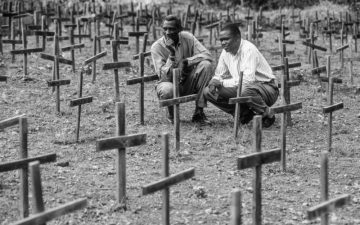 Unspeakable horrors transpired during the genocide of 1994. Family members shot family members, neighbours hacked neighbours down with machetes, women were raped, then killed, and their children forced to watch before being slaughtered in turn. An estimated 800,000 people were murdered in a country of (then) eight million. Barely thirty years have passed since the Rwandan genocide. Everywhere, there are monuments to the dead, but as an outsider I see no trace of its shadow among the living.
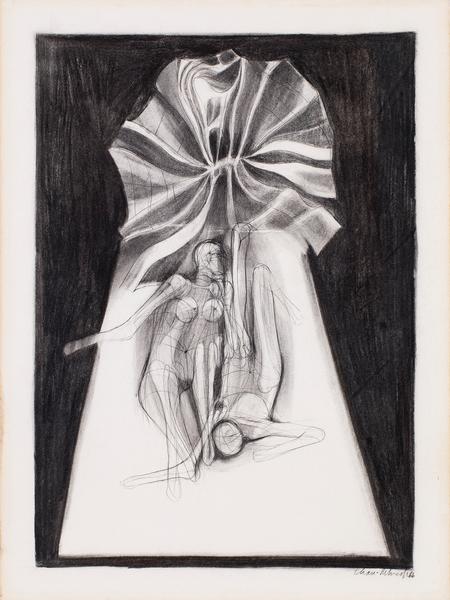 Barbara Chase-Riboud. Untitled (Le Lit), 1966.
 One of the easy metaphors, easy because it just feels true, is that life is like a river in its flowing from then to whenever. We are both a leaf floating on it, and the river itself. Boat maybe. Raft more likely. But those who know such things say there is a river beneath the river, the hyporheic flow. “This is the water that moves under the stream, in cobble beds and old sandbars. It edges up the toe slope to the forest, a wide unseen river that flows beneath the eddies and the splash. A deep invisible river, known to its roots and rocks, the water and the land intimate beyond our knowing. It is the hyporheic flow I’m listening for.” The person speaking is Robin
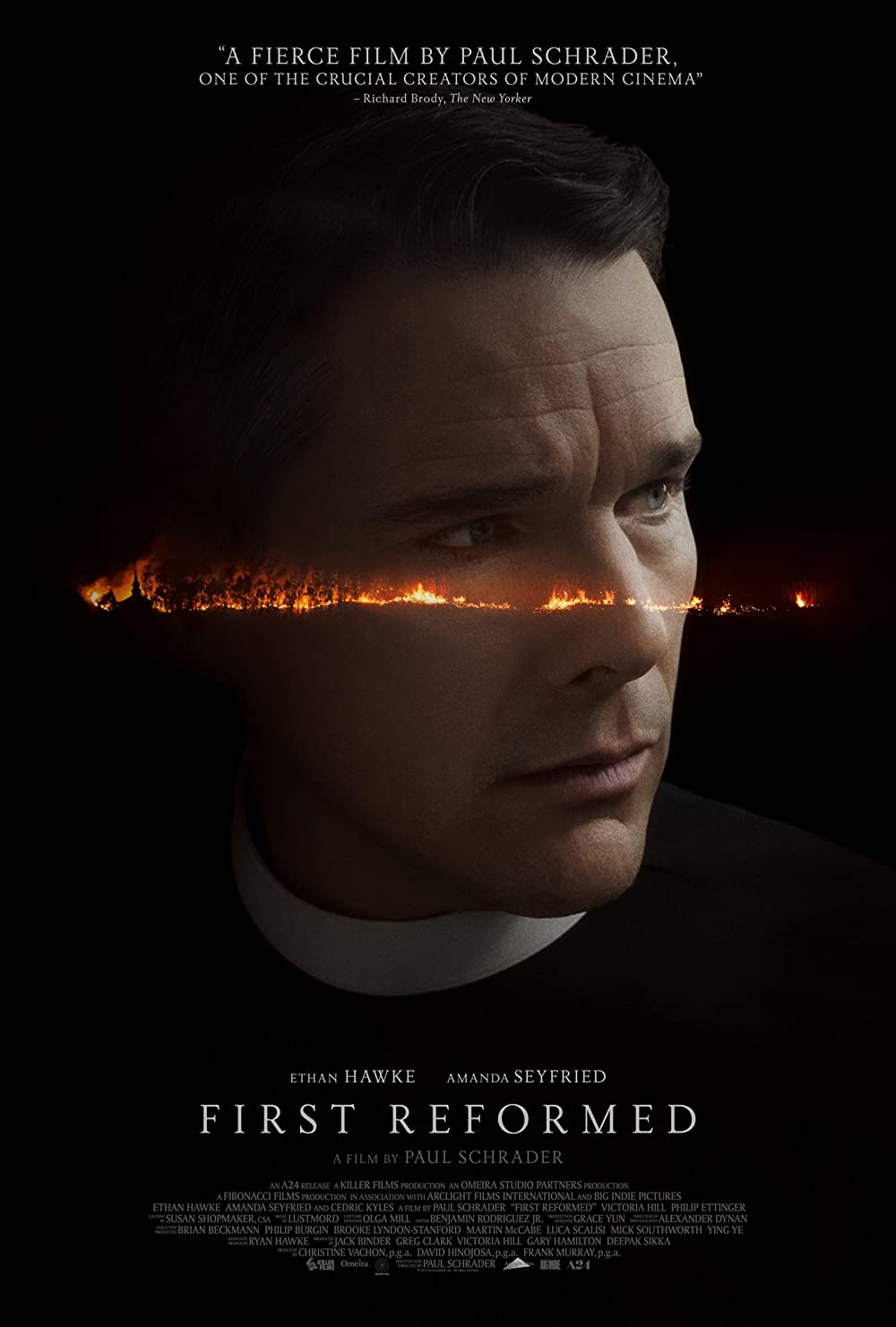 There is a scene near the end of First Reformed, the 2017 film directed by Paul Schrader, where the pastor of a successful megachurch says to the pastor of a small, sparsely attended church:

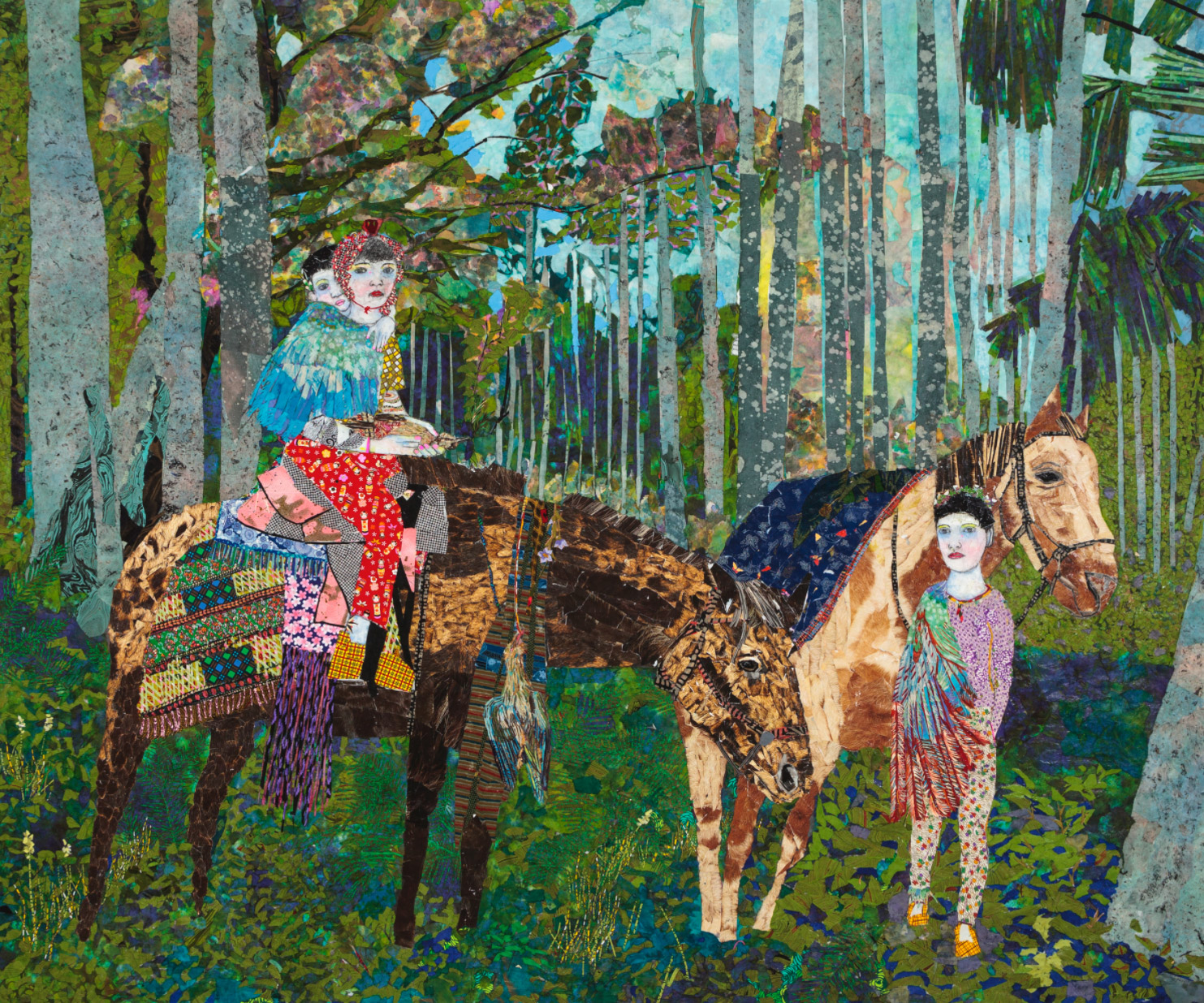 Maria Berrio. From the series “In A Time of Drought”.
 The Lede