by Shadab Zeest Hashmi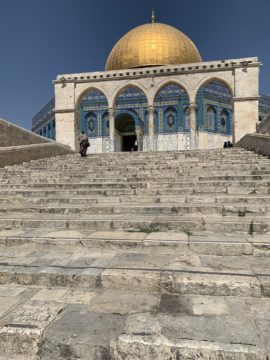 Masjid Al Aqsa, or The Far Mosque of Jerusalem, as the Quran calls it, is emblematic of the spirit of compassion and transcendence for Mevlana Rumi. “A heart sanctuary,” in the words of Rumi in his poem “The Far Mosque,” Al Aqsa represents a conquest over the egoistical desires of dominance, greed, vanity, violence and supremacy. It is held together by the sacred energy of merciful love, even “the carpet bows to the broom/the door knocker and the door swing together/like musicians.”
There is an expansiveness in Rumi’s poem that mirrors the place. I recall the embrace of the silent hours as I sat on the russet prayer carpets of Al Aqsa a few years ago– the wide doors, stained-glass windows, voices of children braided with the rhythmic recitation of the Qura’n, the scrawny birds covered in holy dust, stones sculpted by mythic time. I also recall stepping out of one of the fifteen gates of Al Aqsa, into a scene from a war movie, IDF soldiers with guns in all the storied alleys, and all the thresholds of sacred sites.
Jerusalem is no heart sanctuary. It is “the bitterness of two hundred winter-bare olive trees fallen/in the distance,” as a line from a poem by the Palestinian-American poet Deema Shehabi says. Her poem “In the Dome of the Rock” haunts me; it reflects the soul of Palestine, the soul of Al Aqsa, the guardian that has given this site of ascension its very blood. Shehabi continues with the unforgettable persona: “her exhausted/scars will gleam across her overly kissed forehead. She will ask you to come closer, and when you do,/ she will lift the sea of her arms from the furls/ of her chest and say: this is the dim sky I have/ loved ever since I was a child.” Read more »

 In 2016,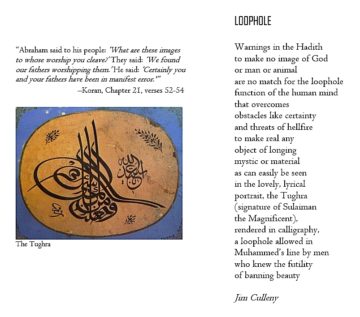
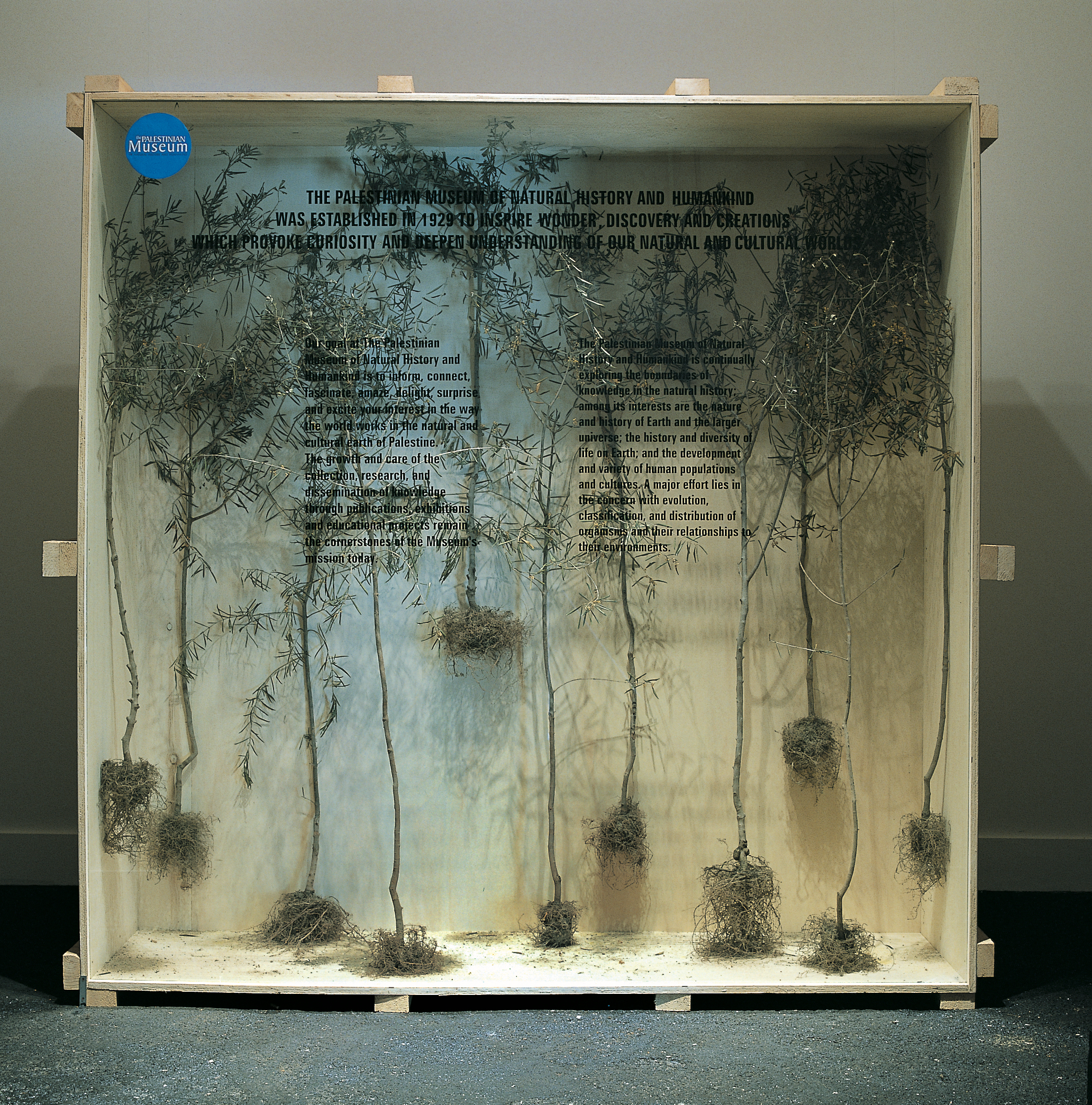 Khalil Rabah. About The Museum, 2004.
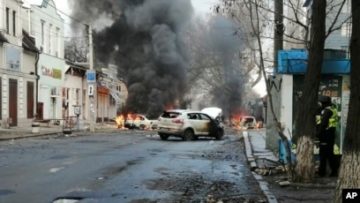 If a city could be an organism, then Kherson in Eastern Ukraine would be a sick body. For eight months, between March and November 2022, Kherson was occupied by Russian forces. Kidnapping, torture, and murder – in terms of violence and cruelty, Kherson’s citizens have seen it all. Today, even though liberated, the port city on the Dnieper River and the Black Sea is still being regularly bombarded: a children’s hospital, a bus stop, a supermarket. Even though freed, how could this city ever heal?
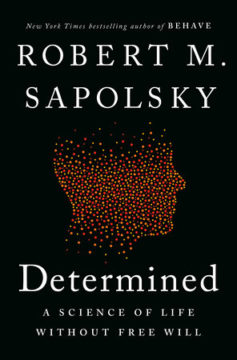 Two popular books released this year have breathed new life into the ancient debate over whether we have free will.
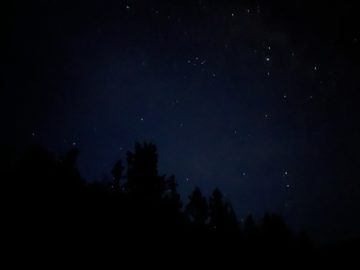 We all naturally take an interest in the night sky. Just last week, my fiancee and I attended an event put on by the Astronomical Society of New Haven. Without a cloud in the sky, near-freezing temperatures, and a new moon, the conditions were ideal for looking through telescopes the size of cannons. To see anything, you had to stand in line, in the cold, for your opportunity to look at something for a minute.
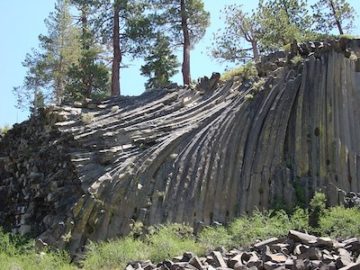
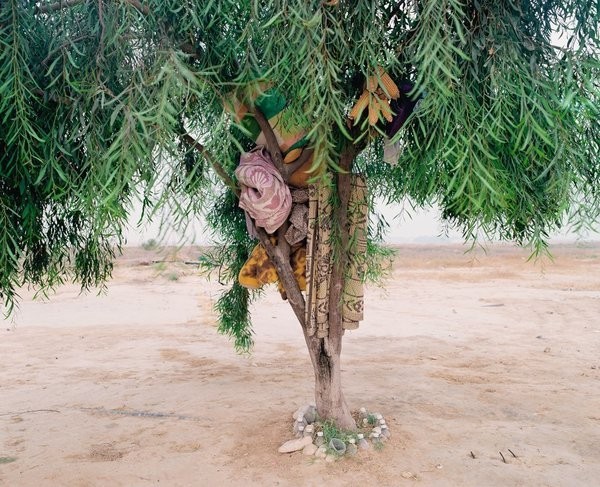 Ron Amir. Bisharah and Anwar’s Tree, 2015. From the exhibition titled Doing Time in Holot.