by Nils Peterson
Galway Kinnell said all good writing has a certain quality in common, “a tenderness toward existence.” I agree and feel that one of the great maladies of our age is the communal loss of this feeling. Wendell Berry says “people exploit what they have merely concluded to be of value, but they defend what they love, and to defend what we love we need a particularizing language, for we love what we particularly know.”
Here’s the first part of a poem of mine:
Rain steady on the roof. Far shore lost. Sea quiet,
gray, introspective – like me, I think, entering
from stage left. This is what we’ve made language for,
to enter the world’s drama as player, not just reflex
towards food or away from the saber-tooth.
So now to the enemy, Word Loss.
Robert Bly in his great anthology News of the Universe recounts and comments on the dreams of Descartes as told by Karl Stern in Flight from Women:
In his third dream some terrifying things happened. A book disappeared from his hand. A book appeared at the end of the table, vanished, and appeared at the other end. And the dictionary, when he checked it, had fewer words in it than it had a few minutes before. I suspect that we are losing some of the words that inhabit the left side; our vocabulary is getting smaller. The disappearing words are probably words such as “mole,” “ocean,” “praise,” “whale,” “steeping,” “bat-ear,” “wooden tub,” “moist cave,” “seawind.”
I thought of this passage when I read this account of the new Oxford Junior Dictionary in a remarkable essay by Robert Macfarlane introducing his new book, Landmarks:
The same summer I was on Lewis [an island in the Hebrides], a new edition of the Oxford Junior Dictionary was published. A sharp-eyed reader noticed that there had been a culling of words concerning nature. Under pressure, Oxford University Press revealed a list of the entries it no longer felt to be relevant to a modern-day childhood. The deletions included acorn, adder, ash, beech, bluebell, buttercup, catkin, conker, cowslip, cygnet, dandelion, fern, hazel, heather, heron, ivy, kingfisher, lark, mistletoe, nectar, newt, otter, pasture, and willow. The words taking their places in the new edition included attachment, block-graph, blog, broadband, bullet-point, celebrity, chatroom, committee, cut-and-paste, MP3 player, and voice-mail. As I had been entranced by the language preserved in the prose‑poem of the “Peat Glossary”, so I was dismayed by the language that had fallen (been pushed) from the dictionary. For blackberry, read Blackberry.
Macfarlane is a British naturalist whose book The Wild Places is a description of his hours and days spent in what is left of the wild. Sometimes the wild is closer than you think. Sometimes remote. It is a remarkable book that I can’t recommend too strongly. His book Landmarks is even more remarkable. It is about the loss of the language of the land that our ancestors who worked closely in it and with it had to describe it. Read more »

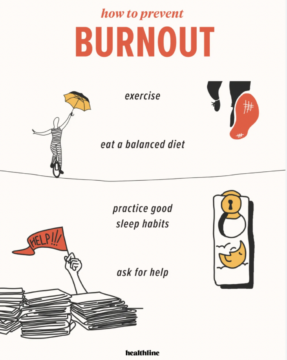 I started reading about burnout when I walked away from teaching earlier than expected. Suddenly, I couldn’t bring myself to open that door after over thirty years of bounding to work. A series of events wiped away any sense of agency, fairness, or shared values. Their wellness lunch-and-learns didn’t help me, and I soon discovered I’m not alone.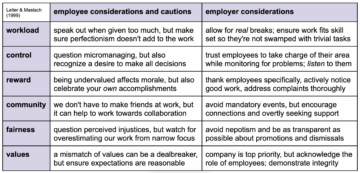
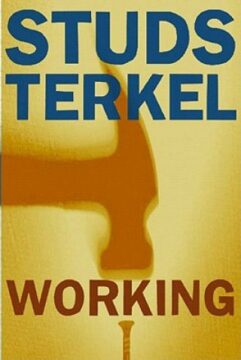 Eugene Russell, a piano tuner interviewed by
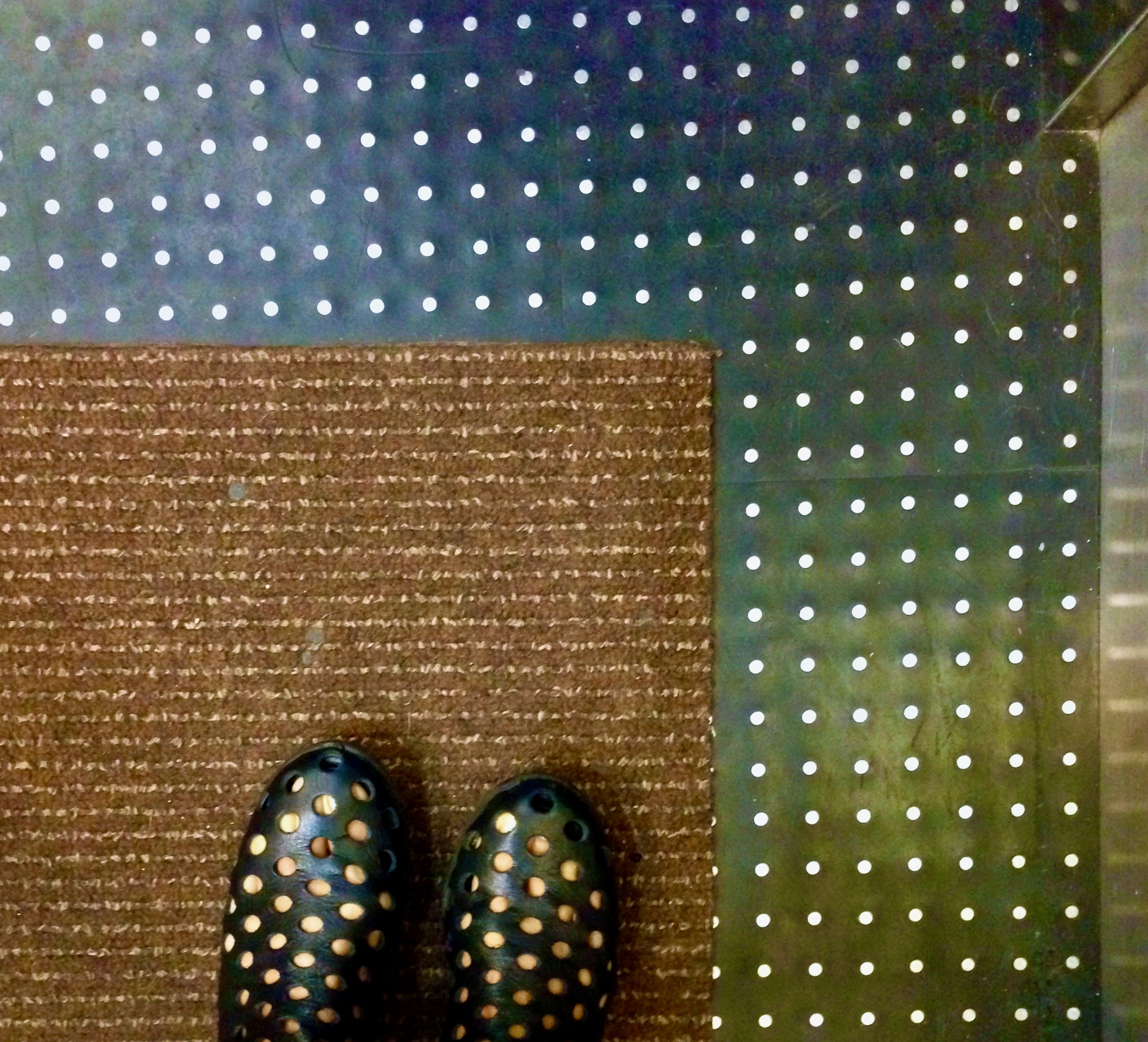 Sughra Raza. Untitled. June, 2014.

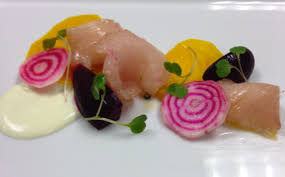 In philosophical debates about the aesthetic potential of cuisine, one central topic has been the degree to which smell and taste give us rich and structured information about the nature of reality. Aesthetic appreciation involves reflection on the meaning and significance of an aesthetic object such as a painting or musical work. Part of that appreciation is the apprehension of the work’s form or structure—it is often the form of the object that we find beautiful or otherwise compelling. Although we get pleasure from consuming good food and drink, if smell and taste give us no structured representation of reality there is no form to apprehend or meaning to analyze, so the argument goes. The enjoyment of cuisine then would be akin to that of basking in the sun. It is pleasant to be sure but there is nothing to apprehend or analyze beyond an immediate sensation.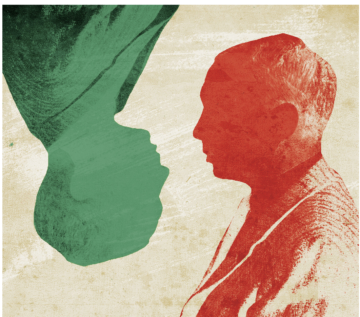

 Bill Gates has long been one of the world’s leading optimists, and his new documentary, “What’s Next,” serves as a testament to his hopeful vision of the future. But what makes Gates’s optimism particularly compelling is that it is grounded not in dewy-eyed hopes and prayers but in logic, data, and an unshakable belief in the power of science and technology. Over the years, Gates and his wife Melinda, through their foundation, have invested in a wide array of innovative technologies aimed at addressing some of the most pressing issues faced by humanity. Their work has had an especially transformative impact on underserved populations in regions like Africa, tackling fundamental challenges in healthcare, energy, and beyond. In this new, five-part Netflix series, Gates showcases his trademark pragmatism and curiosity as he engages with some of the most complex and important challenges of our time: artificial intelligence (AI), misinformation, inequality, climate change, and healthcare. His approach stands out especially for his willingness to have a dialogue with those with whom he might strongly disagree.
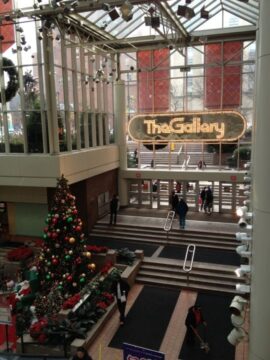 I lived in Philadelphia in 1977 and would go to the Gallery mall on Market Street, a walking distance from our river front apartment. One day, around lunch, I decided to get Chinese food at the food court and looking for a place to sit, I asked two older ladies if I could sit at their table, since the place was packed. As I was picking through the food, separating the celery and water chestnuts, one of the old ladies said
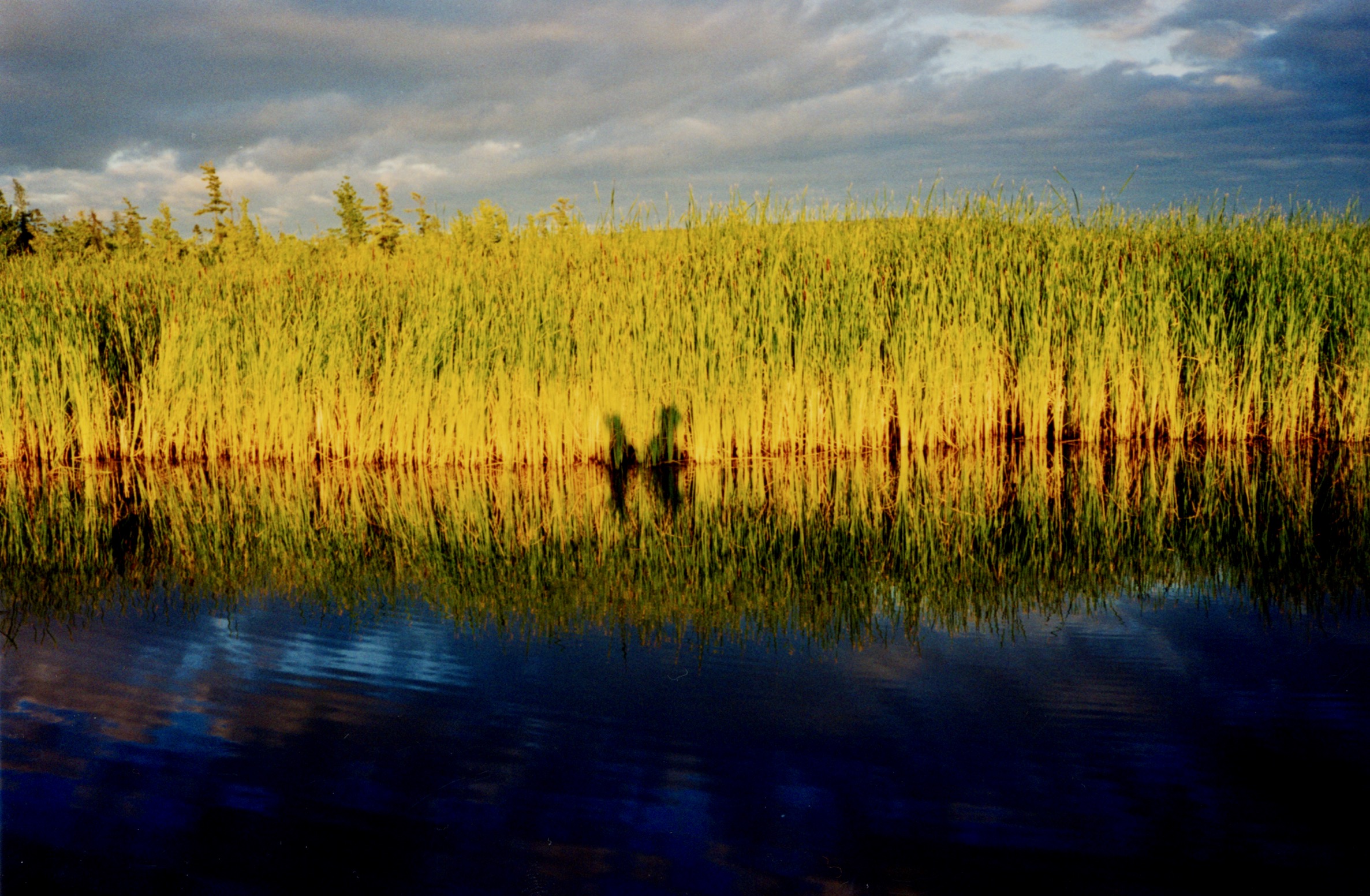 Sughra Raza. Meadowstream Afternoon, Maine, 2001.