by Steve Szilagyi
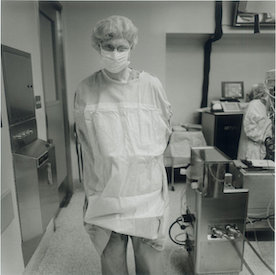
After eight years writing publicity for a cable television network, I was let go. Just in time. I was hankering to get out of Manhattan, go back to my hometown, and marry a girl I knew in high school. Once I’d gotten all that out of the way, I found myself in need of a job. The rust belt city of my birth offered nothing as glamorous as the position I’d left. So I took a job at the local hospital – which happened to be a top-ranked academic medical center. They needed someone to write their employee newspaper. I thought I’d do that humble task for a few years, then retire and lead the literary life. You see, I’d written a novel, and I was pretty sure it was going to be a hit. And it was.
Somehow, the tumblers of fate fell into place and unlocked the doors to an agent, publisher, good reviews, and, finally, interest from Hollywood. In between writing for the hospital, I was doing interviews, book signings, TV, and radio. On my lunch hour, I stuffed coins into a hospital pay phone, calling Los Angeles and London, while producers bid for the right to film my book.
The movie starred an Academy Award-winning Best Actor, and I got a standing ovation at the North American premiere. The money was good, but it didn’t last forever. And I never missed a day at the hospital if I could help it. Week after week, I plugged away at the employee newspaper. My second novel didn’t come so easily, living as I was in a small house with a child.
That was okay. I was being drawn into the world of medicine. An essentially silly man, myself, I was in awe of these serious people. They didn’t know or didn’t care about the book or the movie. I worked hard to prove myself, and eventually became a kind of writer-at-large for the physician leadership. One year I was writing promo copy for Rodney Dangerfield; the next year, I was writing speeches for brain surgeons. Read more »
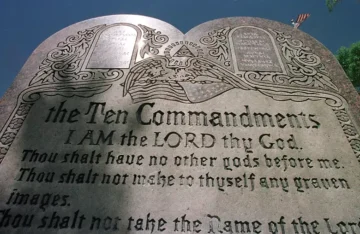 In 1762, Jean-Jacques Rousseau prophetically declared that “we badly need someone to teach us the art of learning with difficulty.” Two hundred and fifty years later, Rousseau’s words seem clairvoyant in their relevancy to schooling in the United States. Education has come to the forefront of the array of issues emerging in the post-Covid era. The abandonment of the alphabet soup of standardized tests, student reliance on Chat GPT, and rampant grade inflation all point to a wider problem. And though some politicians see the Ten Commandments as the solution to classroom troubles, universal progress toward a real solution seems far away. Not that some don’t try.



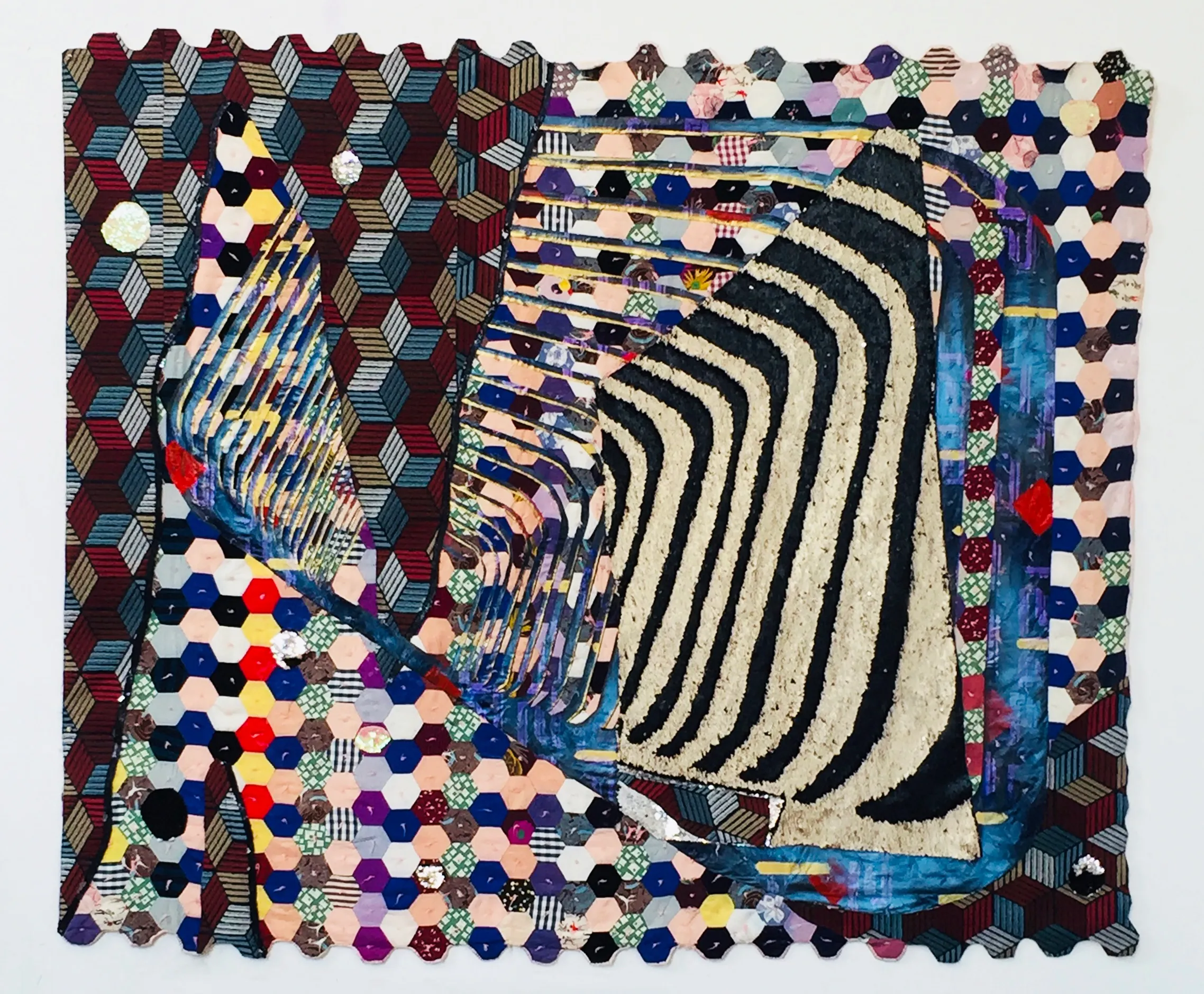 Sanford Biggers. Transition, 2018.
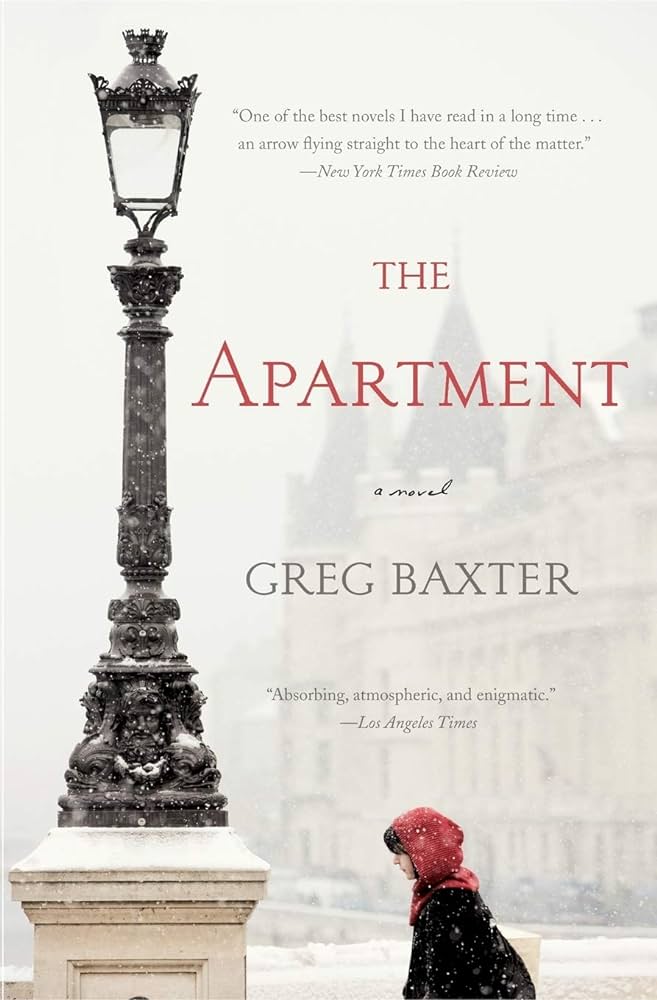 Have you ever read a book that you thought you were going to write? A book that captures something you’ve experienced and wanted to put into words, only to realize that someone else has already done it? The Apartment by Greg Baxter is that book for me.

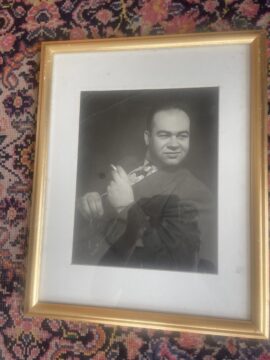
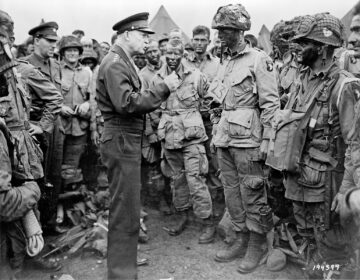
 It was my birthday last month, a “round” one, as anniversaries ending in zero are known in Switzerland; and in gratitude for having made it to a veritably Sumerian age, as well as for the good health and happiness I am currently enjoying, I threw a large party for family and friends. Then, not quite one week later, I flew off to Albania, a land I have come to associate with the sensation and enactment of gratitude.
 Introduction
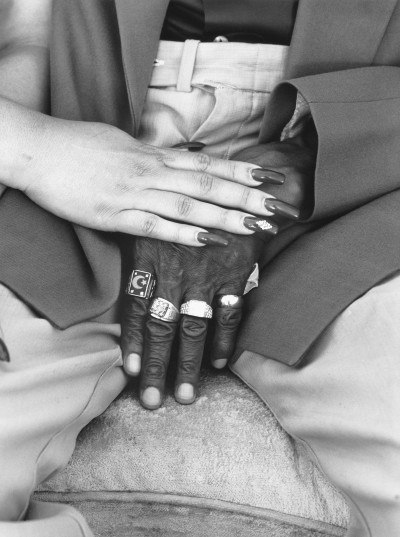 LaToya Ruby Frazier. Mom and Mr.Yerby’s hands, 2005.