by Claire Chambers
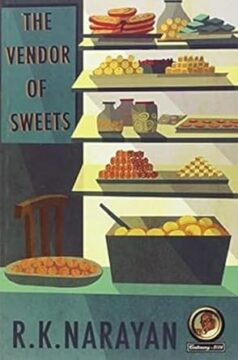 Graham Foster from the International Anthony Burgess Foundation recently invited me to read and talk about R. K. Narayan’s The Vendor of Sweets (1967) for the Foundation’s podcast series. You can listen to our podcast here. The series is based on Burgess’s 1984 book Ninety-Nine Novels, in which the author of A Clockwork Orange selected his favourite novels of the twentieth century. The podcasts showcase a different Burgess preference for each show. Enjoying my rereading of Narayan and finding Graham’s questions stimulating, I decided to develop some of my answers for this blog post.
On the surface, The Vendor of Sweets appears to be an unadorned novella about the life and family relationships of a widowed mithai seller. It also turns out to be a comic meditation on the encounters and clashes of so-called tradition and modernity in India. The novel’s tight plotting revolves around Jagan, a man whose life as a sweet vendor sits uneasily with his past anticolonial activism and present devout Hinduism. When Jagan’s ‘foreign-returned’ only son, Mali, brings home a Korean-American partner and an ambition to start up a business manufacturing story-writing machines, Jagan finds himself sidelined and unmoored.
I first read The Vendor of Sweets during my MA at the University of Leeds. Along with another of Narayan’s novels, The Guide, it made a lasting impression. I appreciated the author’s concise prose and accessible and funny storytelling. More than that, his insights into the cultural transformations occurring in post-partition India left me entertained and educated. Read more »

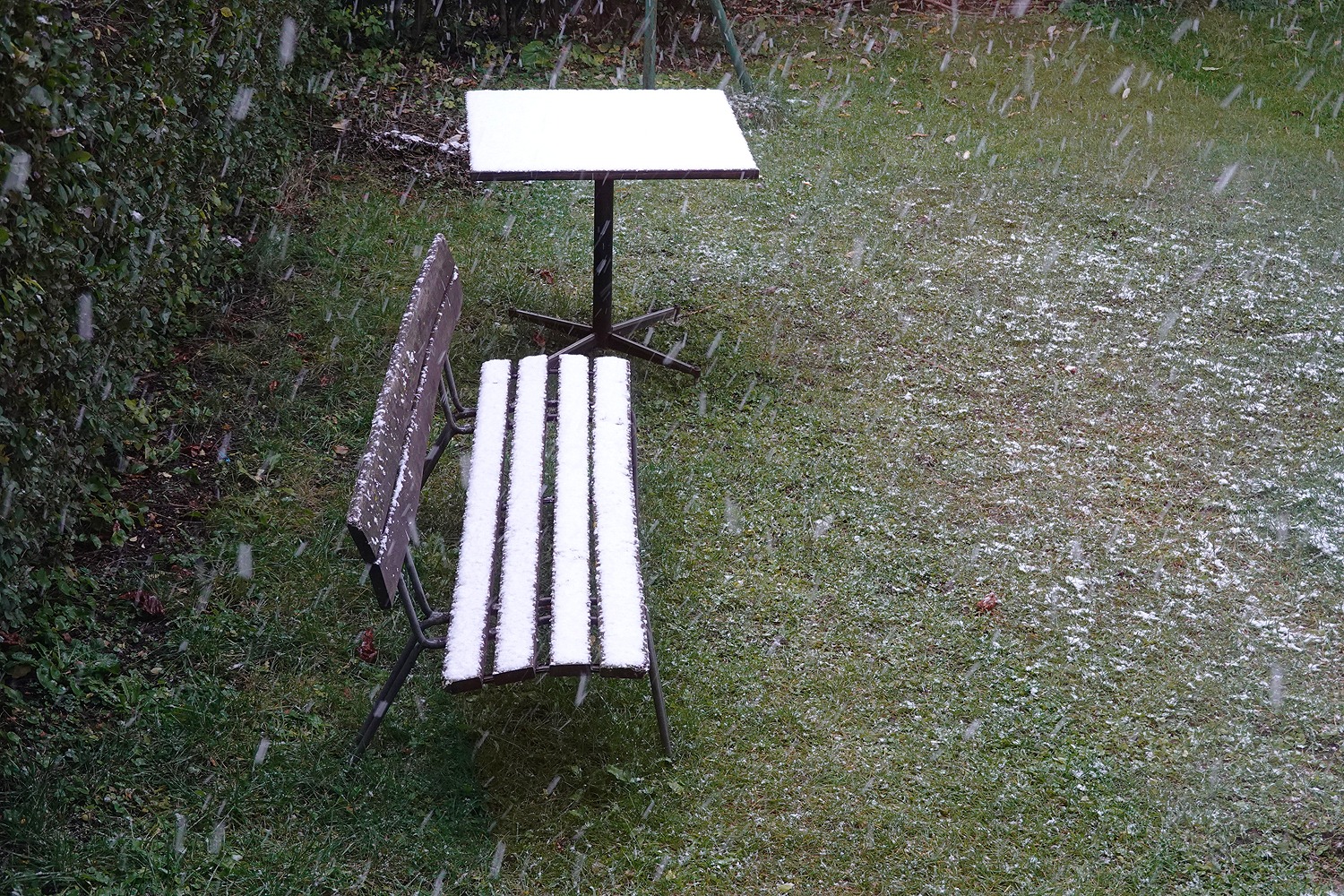
 unenlightened temperature scales) is a kind of touchstone temperature for Canadians – a midsummer sort of heat, usually restricted to July and August, permissible in June and September, but out of its proper place elsewhere. (Its mirror image, -30 degrees (-22 degrees F) is likewise to be restricted to the depths of January and February – though increasingly infrequent even there.) These 30 degree days at the beginning of October had intruded on a moment when every instinct was attuning itself to the coming rituals of autumn, and it thus accorded jarringly, like the rhythm section had suddenly lost its way in the middle of the song.
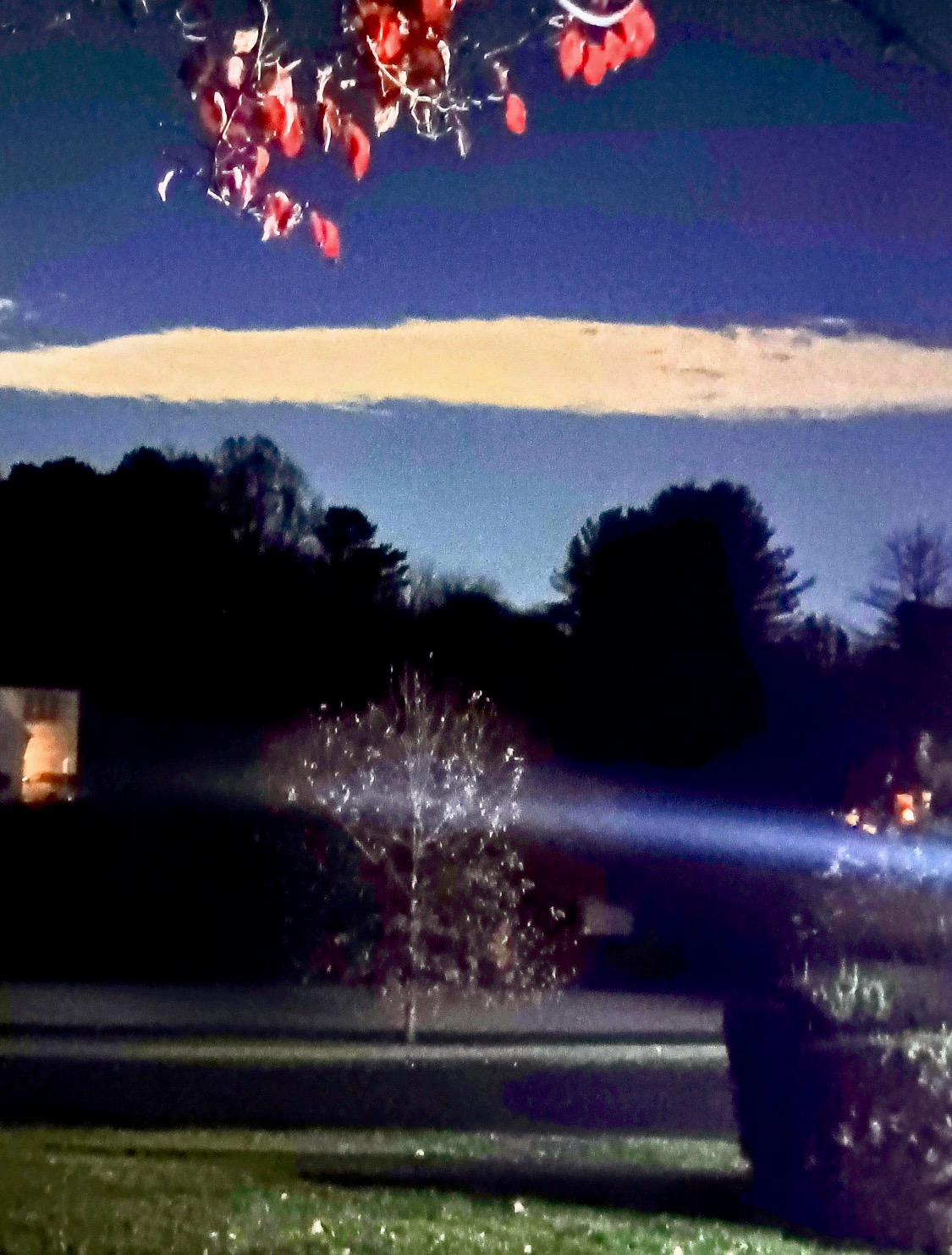
 In earlier essays, I argued that beauty can orient our desires and help us thrive in an age of algorithmic manipulation (
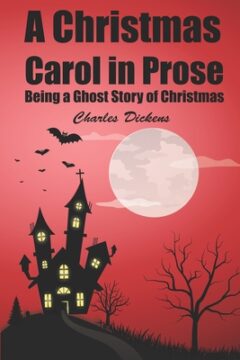 The full title of Charles Dickens’ 1843 classic is “A Christmas Carol in Prose: Being a Ghost Story for Christmas.” Inspired by a report on child labor, Dickens originally intended to write a pamphlet titled “An Appeal to the People of England on behalf of the Poor Man’s Child.” But this project took a life of its own and mutated into the classic story about Ebenezer Scrooge that virtually all of us think we know. It’s an exaggeration to say that Dickens invented Christmas, but no exaggeration to say that Dickens’ story has become in our culture an inseparable fixture of that holiday.