
by Rachel Robison-Greene
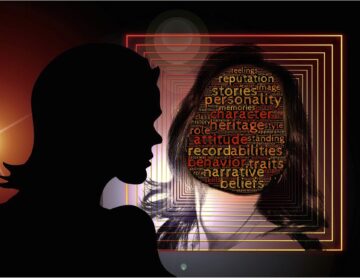
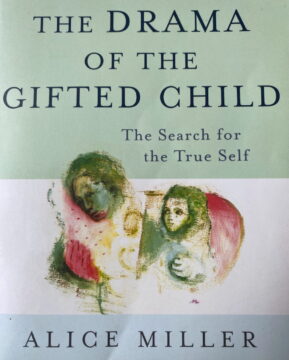
I’ll never forget the moment when it dawned on me that I had arrived at middle age. I caught a glimpse of myself in the mirror. Nothing much had changed—my eyes were the same distance apart. My nose was in the same place. My grey hairs were still mostly hidden in my ample mane. What was suddenly different was how I interpreted my self.
I poured through my selfies on my iPhone with the intensity of Narcissus gazing at his image in a pool. Had I, just now, interpreted myself correctly for the first time in years? Had I somehow misunderstood myself until now in ways I should have found humiliating? Who is my “self” and who gets to determine who has it right?
It’s common to convey this general line of inquiry as a set of persistence questions. What is it, if it is anything at all, that allows a thing or a person to remain the same thing or person through time and change? Is a ship the same if its planks are replaced and what has become of the marble when it is carved into a statue—that kind of stuff. Less abstractly but more painfully, it is an existential question: how can I keep my grasp on sanity when the locus of my frame of reference and the source of my motivation shifts like sand? In youth, our sense of self is awkward and underdeveloped but also vibrant and life affirming. Part of the difficulty of aging is the recognition that the self is mortal, contingent, and unstable.
Consider popular expressions involving the self: “I wasn’t myself today,” “Control yourself,” “Keep it to yourself,” “know yourself.” These expressions don’t exhort us to be sure to persist through time and change; they press us to be cognizant of something else, something more fundamentally personal. Our selves matter to us in a way that they don’t—and can’t—matter to rocks, plants, or snails. Doorknobs aren’t concerned with whether the version of themselves they’re projecting to others is one with which they will be comfortable when they go to bed at night.
Philosopher and neuroscientist Patricia Churchland argues that developing a sense of self was evolutionarily advantageous for humans. A creature that could recognize itself could understand itself as having a welfare—things could go well or poorly for it from its own point of view. Read more »
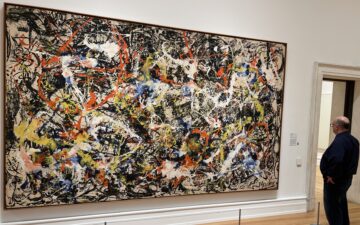


 Lorraine O’Grady. Art Is … , Float in the African-American Day Parade, Harlem, September 1983.

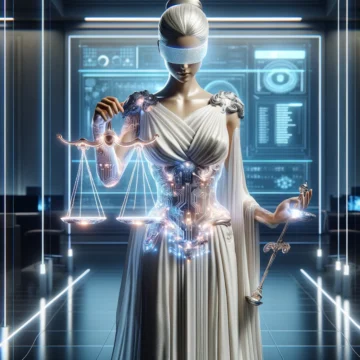 The world does not lend itself well to steady states. Rather, there is always a constant balancing act between opposing forces. We see this now play out forcefully in AI.
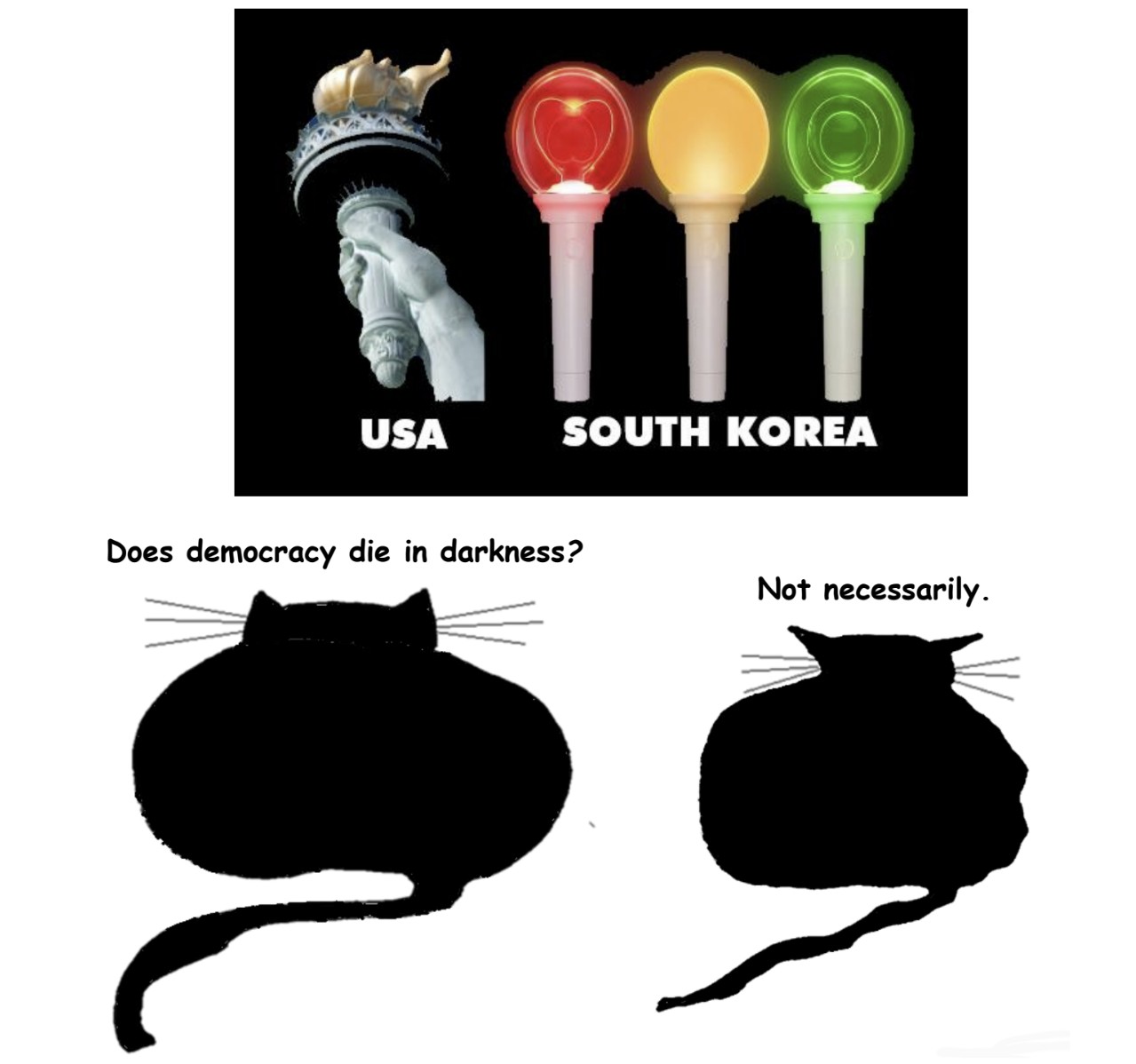
 The sleet falls so incessantly this Sunday that the sky turned a dull gray and we don’t want to go anywhere, my child, his friend and me. We didn’t go to the theater or to the Brazilian Roda de Feijoada and we didn’t even bake cookies at the neighbors’ place, but instead are playing cars on the floor and cooking soup and painting the table blue when the news arrives.



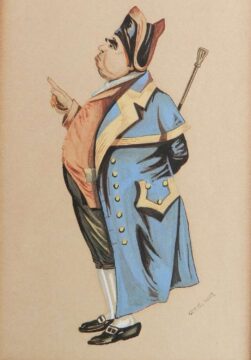 “You were present on the occasion of the destruction of these trinkets, and, indeed, are the more guilty of the two, in the eye of the law; for the law supposes that your wife acts under your direction.”
 I was recently subjected to an hour of the “All In” Podcast while on a long car ride. This podcast is not the sort I normally listen to. I prefer sports podcasts—primarily European soccer—and that’s about the extent of my consumption. I like my podcasts to be background noise and idle chatter, something to listen to while I do the dishes or sweep the floor, just something to fill the void of silence. On the way to work this morning I had sports talk radio on—the pre-podcast way to fill silence—and they were discussing the physical differences between two football wide receivers—Calvin Johnson and DK Metcalfe—before switching to two running backs—Derrick Henry and Mark Ingram.
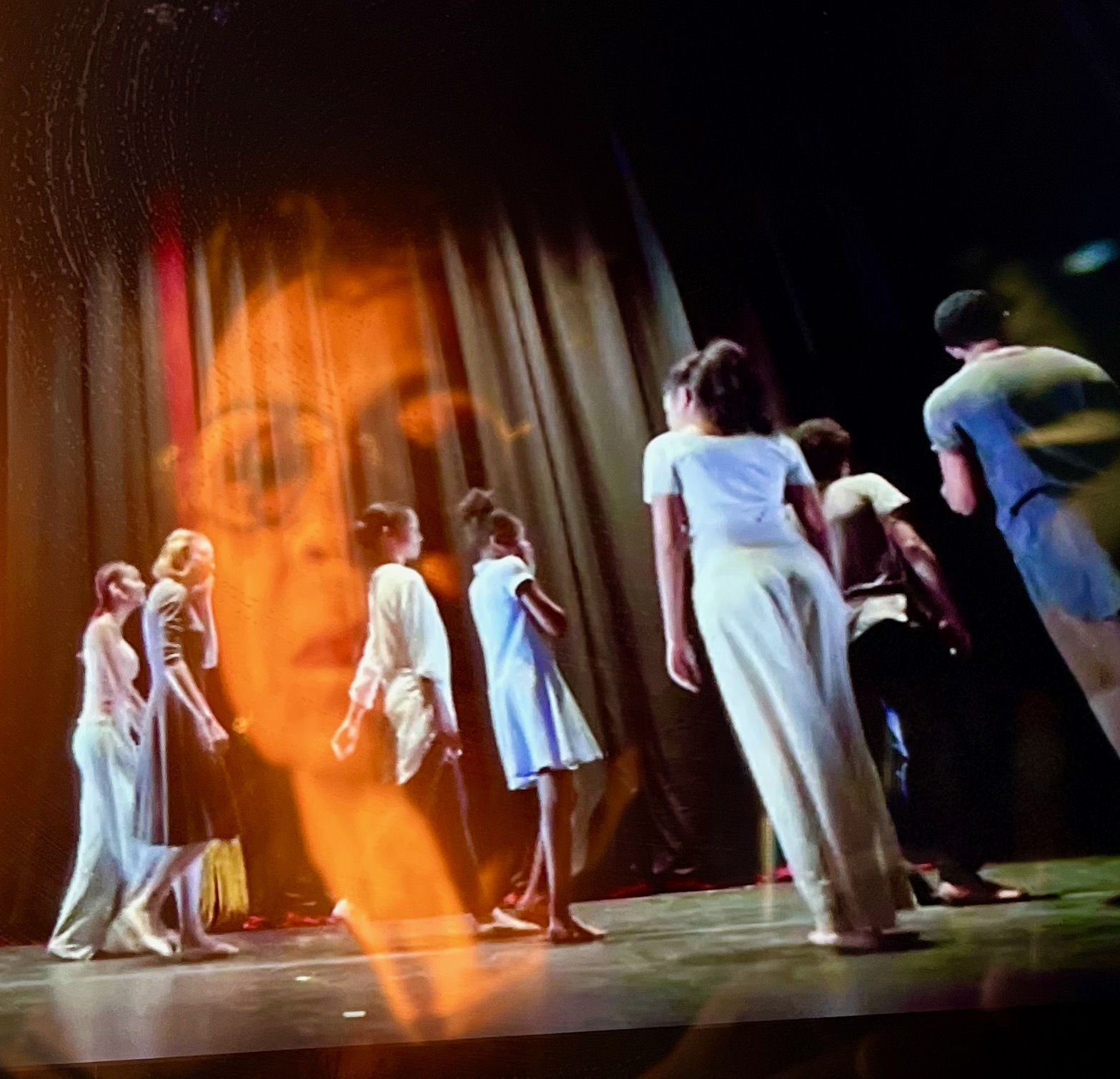 Sughra Raza. Being In the Airplane Movie. Dec 4, 2024.