
by Joshua Wilbur

I wake up just before sunrise.
For weeks, I’ve gone to bed at exactly 10 PM because—as Shawn Stevenson shows in Sleep Smarter—a consistent bedtime is the single most important factor in waking up well-rested. Before getting out of bed, I perform a series of stretches to prime my body for the day and gently transition to a waking state. I stand up feeling energized. I go to the window, open the blackout shades, and take a moment to appreciate the view. I’m ready to win the morning.
It’s hard to overstate the value of a morning routine. According to Hal Elrod, the author of The Miracle Morning, “By simply changing the way you wake up in the morning, you can transform any area of your life, faster than you ever thought possible.” My morning routine begins with some vigorous exercise, a HIIT of strength and cardio. With the Scientific 7-Minute Workout, I “essentially [combine] a long run and a visit to the weight room into about seven minutes of discomfort.” This leaves me with plenty of time to meditate afterwards.
For a long time, I struggled to choose between mantra meditation, body scan meditation, and breath awareness meditation, so now I cycle through and reap the benefits of all three. I spend half an hour chanting, scanning, and breathing before taking a short contrast shower, alternating between warm and cold water in order to boost circulation and relieve tired muscles. I get dressed for the day, choosing an outfit that is both comfortable and likely to impress. I tidy my room and go to the kitchen. Read more »


 My answering machine whirrs. From an echoing room, the chainsaw-voice shouts into a speaker phone:
 One of the philosophical tools that seems utterly obvious to me is the so-called “use/mention distinction”. Because it strikes me as so obvious, it is always baffling to me that people seem to have such trouble with it.
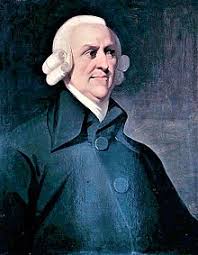 I just read Adam Smith’s The Wealth of Nations for the first time. Not every word. It’s over a thousand pages, and there are long “Digressions” (Smith’s term) on matters such as the history of the value of silver, or banking in Amsterdam, which I simply passed over. I was mainly interested in what Smith has to say about work, so I also merely skimmed some other sections that seemed to have little relevance to my research. Time and again, though, I found myself getting sucked into chapters unrelated to my concerns simply because the topics discussed are so interesting, and what Smith has to say is so thought-provoking. Reading the book is also made easier both by Smith’s admirably lucid writing and by the brief summaries of the main claims being made that he inserts throughout at the left-hand margin.



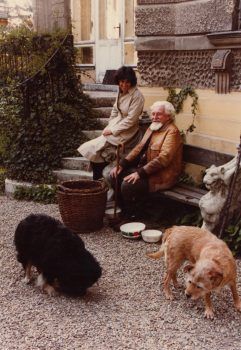
 It is fashionable to say that great wine is made in the vineyard. There is a lot of truth to that slogan but in fact wine is made by a complex assemblage with various factors influencing the final product. Last month
  From aviation to zoo-keeping, there’s a simple rule for safety in potentially hazardous pursuits. Always keep an eye on the ways that things could go badly wrong, even if they seem unlikely. The more disastrous a potential failure, the more improbable it needs to be before we can safely ignore it. Think icebergs and
  The man for whom the word “Emergency” must have been invented (“serious, unexpected, and often dangerous situation requiring immediate action”) pulled the pin out of yet another hand grenade.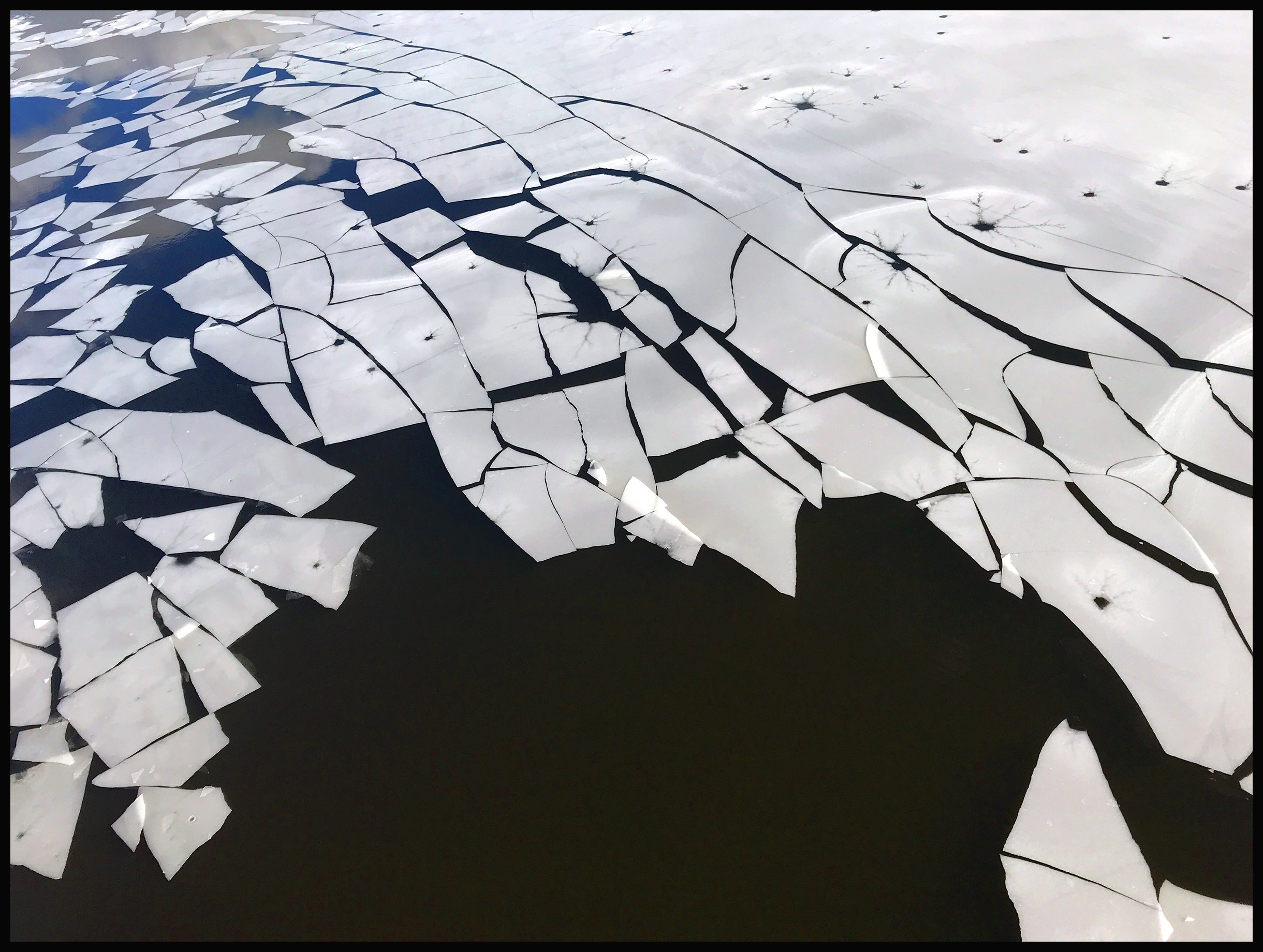
 I’d been living in Tokyo about ten years, when a friend’s father decided to perform a little experiment on me. Arriving one cool autumn evening at their home in suburban Mejirodai, he waved my friend away, telling her: “I want to have a little chat with Leanne.” Sitting down on the sofa across from him, he poured me a cup of tea. In truth, I can’t recall what we chatted about, but about twenty minutes into the conversation, he suddenly clasped his hand together in delight–with what could only be described as a childlike gleam in his eyes– and said, “Don’t you hear something?”
 Just about everyone who visits the famous