
by Eric J. Weiner
Now I saw his lifeless state. And that there was no longer any difference between what once had been my father and the table he was lying on, or the floor on which the table stood, or the wall socket beneath the window, or the cable running to the lamp beside him…And death, which I have always regarded as the greatest dimension of life, dark, compelling, was no more than a pipe that springs a leak, a branch that cracks in the wind, a jacket that slips off a clothes hanger and falls to the floor. ―Karl Ove Knausgård, Min kamp 1
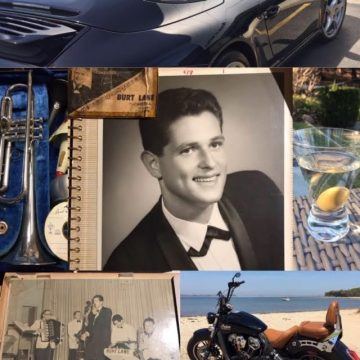
After two days of celebrating my 40th birthday in Atlantic City, I barely could put two words together. I slumped over my sunny-side up eggs in the Continental diner across the parking lot from the Dunes motel. Battered from salty air and indifference, it was the perfect place to crash when you knew you wouldn’t be getting much sleep. The year was 2007 and the end of history was bleeding into tomorrow like a hemophiliac walking across a field of broken glass.
I poked my fork into one of the yolks and watched it slowly creep across my plate toward the enormous pile of canned corned beef hash. I gratefully sipped the hot, black coffee while choking down a slice of buttered rye toast. Paul, one of my oldest friends, sat across from me, stoned and chill, staring into the white and silver-speckled formica tabletop, looking for answers to questions only he knew. I rarely smoked weed, but his state of placid contentment was a good argument to start smoking more. The sound of eggs, green peppers, melted cheddar, and onions mashing and churning in his cottony mouth made me shiver with nausea and want to kill him with my butter knife. I ground the base of my hands into my eye-sockets trying in vain to quiet the hive of hornets that tore through my brain. My heart hammered against the back of my chest and even though the diner was ice-cold, I was sweating like a mule. My clothes still smelled of smoke, gin and Paco Rabanne cologne. My bloodstained eyes betrayed my desire for more of everything. Read more »


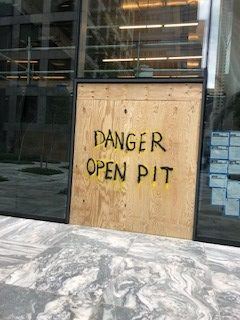 Had enough of the 2020 election? Take heart, there are just 134 days left until Vote-If-You-Can Tuesday. That’s less time than it took Napoleon to march his Grande Armée into Russia, win several lightning victories, stall out, and then retreat through the brutal winter, with astronomical casualties, all the while inspiring the equally long
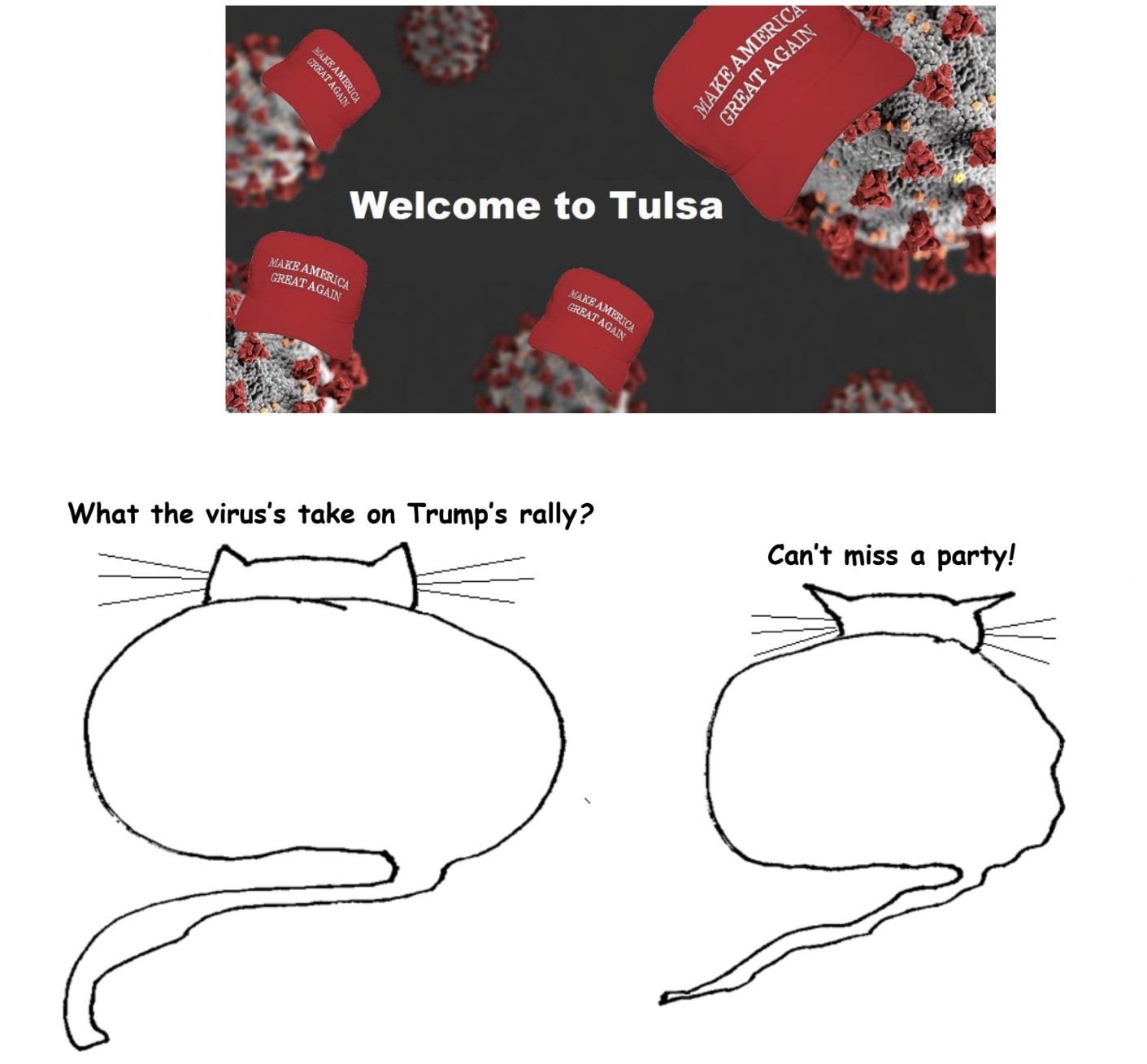

 Last time
 Philosophy’s original contrarian hero was, of course, Socrates. He believed in Truth and the Good and refused to back down from the pursuit of the these – even when his life was on the line. He had no patience for ‘just whatever people tend to say about such and such’. The unexamined life, for him, was not worth living. And that examination requires being ready to question even your most cherished beliefs.
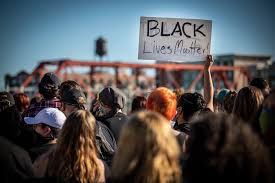
 Some police officers are not above bad behavior, even as they work to eradicate and punish it in civilians. It is painfully clear that some of this bad behavior amounts to murder. Civilian review boards are a tool that could punish and deter police misconduct, but they need to have the ability to carry out independent investigations, subpoena documents and witnesses, and issue binding recommendations for discipline. As of a few years ago, only five of the top 50 largest police departments in the U.S. had civilian review boards with disciplinary authority. Newark, New Jersey has recently established such a review board after decades of efforts. While many activists have lost faith in civilian review boards, ACLU director of justice Udi Ofer argues that many of these boards were “rigged to fail.” He says a weak civilian review board is arguably worse than none at all, because it “can lead to an increase in community resentment, as residents go to the board to seek redress yet end up with little.”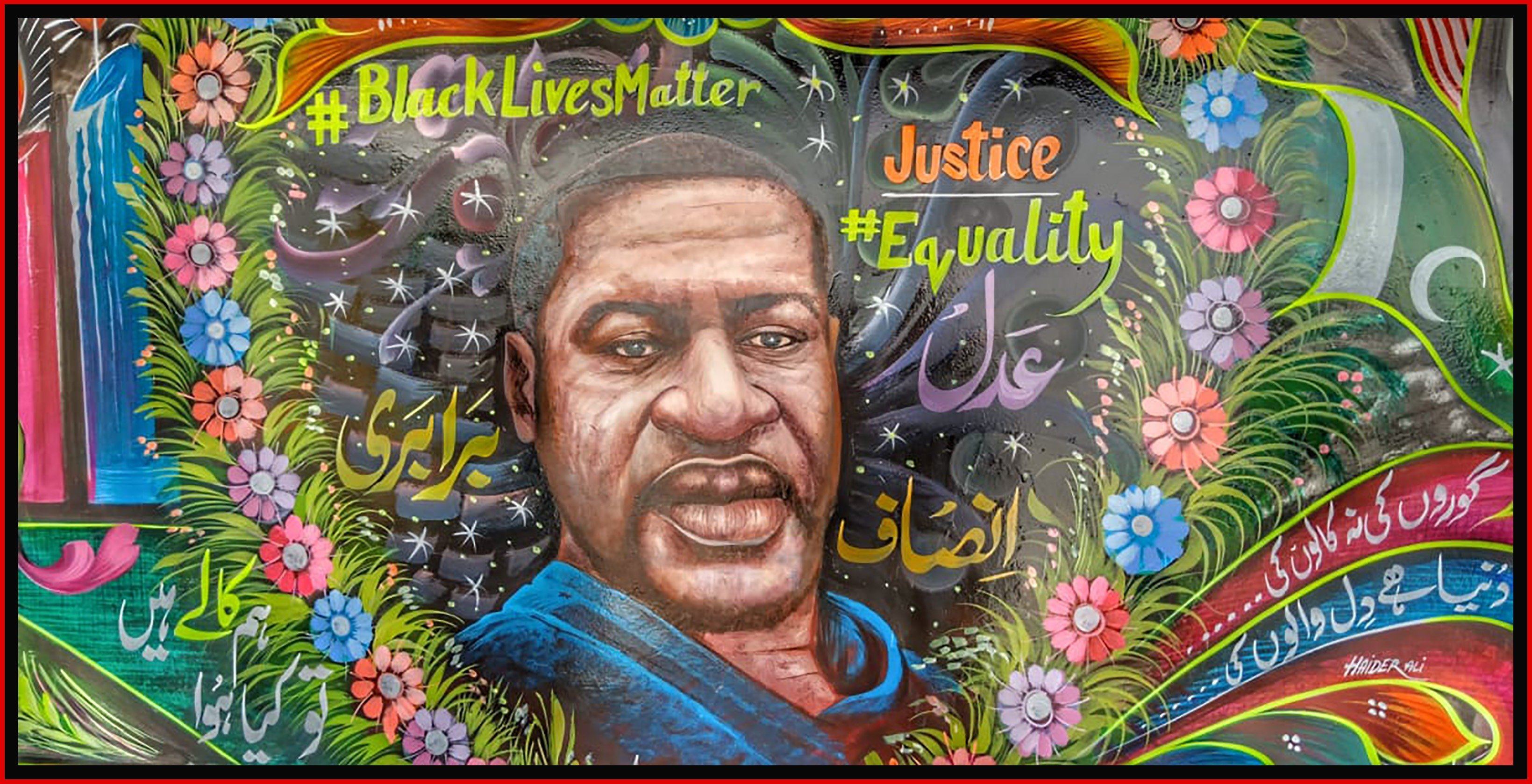

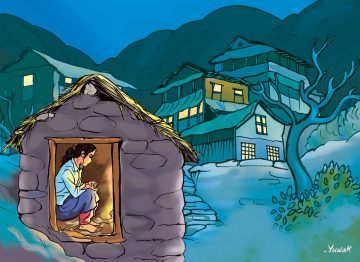 Now that we are witnessing a world that has withdrawn indoors, many people are reading plague literature, discussing Camus and Defoe, and reflecting on the nature of fear and contagion. But there is another kind of literature that lies neglected: stories that reflect the disconnect and dejection of seclusion -the literature of women’s isolation.