
by Eric Miller
1.
Tell me, what could be more pleasant than to play, in the summertime, a Stone Age re-enactor? A couple of them sat in the flowery grass near a hunebed—a Giant’s Grave or cromlech, some five thousand years old—in the town of Borger, in Drenthe, the Netherlands. The shadow in which this ersatz ancestral couple sat was of the mitigated, oscillatory sort that broadleaf trees in August cast. The year was 2014. Yellowhammers and wagtails called; bulky wood doves reminded me of their Canadian cousins, the passenger pigeons extinct exactly a century before. A puffy dog rested, tufted tail bent round nose, beside the pair who practised some craft proper to their era, I believe it was weaving. The life of a re-enactor at a hunebed cannot be called “pastoral”; it aspires to precede the idea of the pastoral. This idyll took place by the enormous side- and capstones of the megalithic monument I had come to visit. The hunebed, a sort of junior Stonehenge, had the look of a great reptile skeleton; it appeared, though it was inanimate, to enjoy mere basking. Imagine if our bones alone could relish the felicity of life! This is the rude sweetness of nude sunbathing, taken to the posthumous degree: mineral, sparkling.
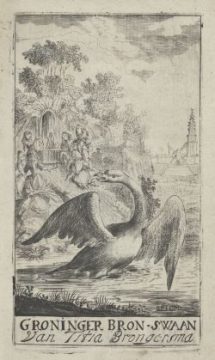
Near the museum attached to the hunebed is a field of stones, boulders really. Glaciers deposited them in this neighbourhood, and the ancient engineers who built the hunebed—archaeologists have named them the Funnel Beaker People—used such granite erratics to build their tombs or temples. In 1685, a poet named Titia Brongersma came to Borger and she directed the first dig at the site. She found articles of funerary pottery; they crumbled at the crisis of their extraction. So much the eloquent guidebook informed me. At that moment, I felt Brongersma call me: in the elusive instant when, having extracted a buried urn, Titia saw it fall to bits in her palms. The act of translation is similarly precarious. Later, I looked for her only book, De bron-swaan, The Swan of the Well. No one had ever rendered more than a few verses from it into English. To write is manual labour, and a kind of re-enacting. Titia used a feather, I am pretty sure. I could sense this quill scraping while I puzzled over her words. I translated them all. Her Swan of the Well makes its reappearance this year. Read more »

 The coronavirus pandemic has massively disrupted the working lives of millions of people. For those who have lost their jobs, income, or work-related benefits, this can mean serious hardship and anxiety. For others, it has meant getting used to new routines and methods of working. For all of us, though, it should prompt reflection on how we think about work in general–both as a curse and as a blessing. Here, I want to focus on how work relates to time.
 Beauty has long been associated with moments in life that cannot easily be spoken of—what is often called “the ineffable”. When astonished or transfixed by nature, a work or art, or a bottle of wine, words even when finely voiced seem inadequate. Are words destined to fail? Can we not share anything of the experience of beauty? On the one hand, the experience of beauty is private; it is after all my experience not someone else’s. But, on the other hand, we seem to have a great need to share our experiences. Words fail but that doesn’t get us to shut up.
 In a survey released at the end of May by the AP and the NORC Center for public affairs research, 49% of Americans said they intended to be vaccinated against the new coronavirus, 31% said they were unsure, and 20% said they would not get the vaccine.


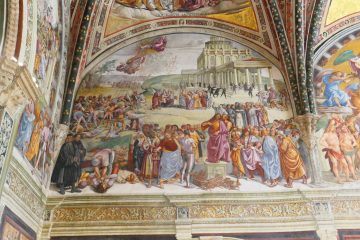
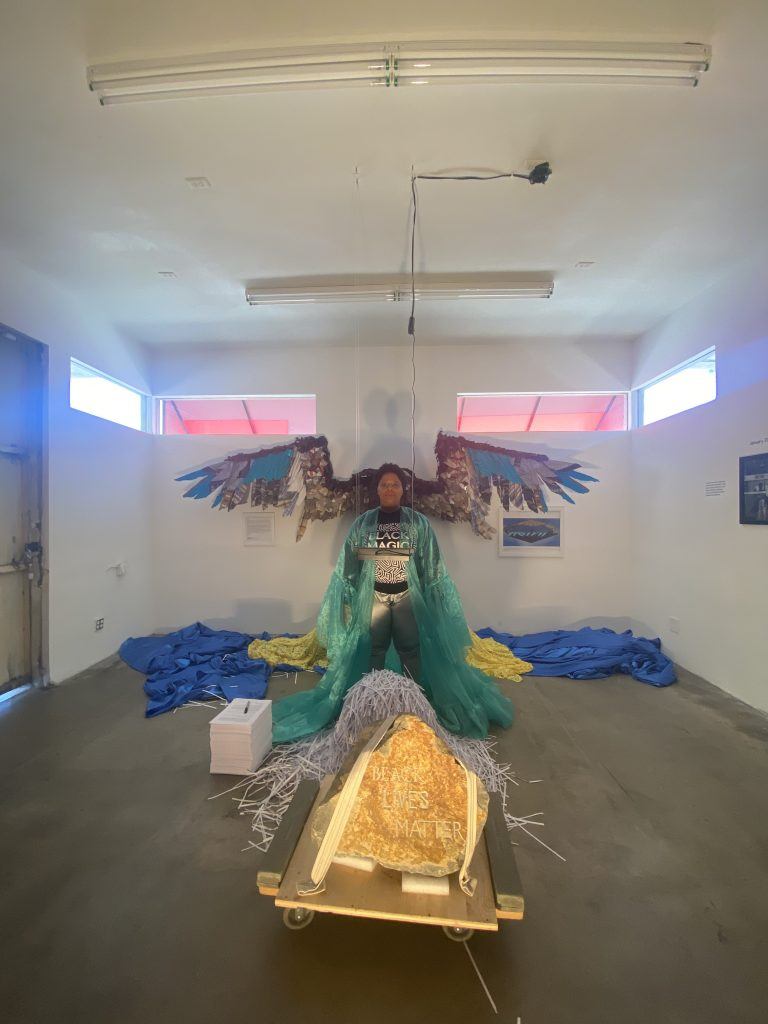
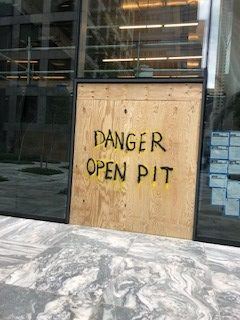 Had enough of the 2020 election? Take heart, there are just 134 days left until Vote-If-You-Can Tuesday. That’s less time than it took Napoleon to march his Grande Armée into Russia, win several lightning victories, stall out, and then retreat through the brutal winter, with astronomical casualties, all the while inspiring the equally long
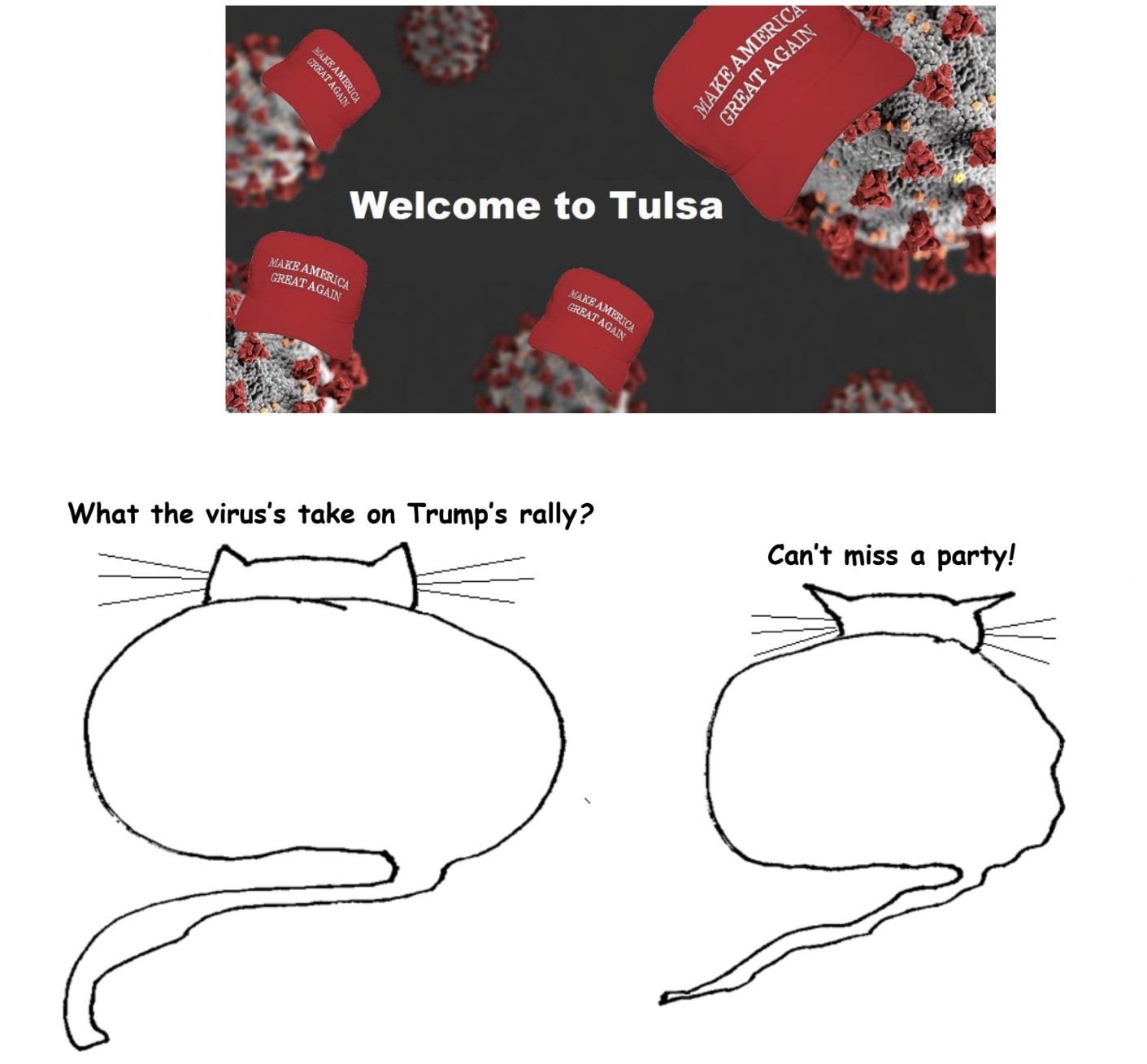
 Last time
 Philosophy’s original contrarian hero was, of course, Socrates. He believed in Truth and the Good and refused to back down from the pursuit of the these – even when his life was on the line. He had no patience for ‘just whatever people tend to say about such and such’. The unexamined life, for him, was not worth living. And that examination requires being ready to question even your most cherished beliefs.