
by Eric Miller

To the mainland
When we climb the stairwell out of the depth of the ferry, where our car rests parked amid grimy trucks, we find taut bands of yellow plastic tape setting off the tables and benches of the observation decks. We have to sit far from other people. Someone took pleasure in this prohibitive festooning, officious pleasure perhaps but also childish joy. It is like decorating for a dance, though its effect is opposite: to un-couple us, to make all of us wallflowers. A disinvitation to the ball! Now our huge white ferry sets off from Swartz Bay—a self-willed tower. Excluding wind and sound, impervious windows mute the passing islands, each projected for us as in a theatre. The thrum of the engine pleases, supplying constant reassurance that everything is fine. Its weak, unvaried arpeggio would seem to guarantee the integrity of our own simmering organic system. A humming machine befriends us. It defends and supports us by a flattering yet ideally stable mimesis of our private vibe, our autonomic hubbub.
The Salish Sea imparts not the least sensation of rocking to the vessel, the vessel is so big relative to the swell. When I see that yellow tape, however, I always worry about the disposal of it. It consists of a sort of plastic that stretches thin, but is reluctant to disappear. Round and round the globe like longitudes and latitudes, such tape persists impertinently after the end of perceived emergency that—once upon a time, it will have been so long ago!—cordoned off part of the habitable world from the rest. The rationale is Covid-19.
From where I sit like a moviegoer, I watch the water. Without pangs of apocalypse or a sense of my witness being in any way representative, my contemplation accumulates the fewest seabirds I have ever seen, the fewest birds in general I have ever seen, between Swartz Bay and Tsawwassen. Three gulls. Three cormorants. On other occasions Bald Eagles have been as common as crows, murres dove before the bland advance of our blanched castle, rafts of ducks, mergansers, all nonchalance, paddled a derisive minimal distance from our apparition. The ocean almost stagnates, preserving the bubbles of our ferry’s hours-before previous passage as though so surpassingly enervated as not to prick them. Flabby Neptune’s trident is too dull, this August day, to lance any eruption. We can see how little the skipper deviates from a set course by these viscous-looking residues. The brisk ship hurries to escape an ambient torpor. Read more »
 Last month
  My Jewish maternal grandparents came to America just ahead of WWII. Nearly all of my grandmother’s extended family were wiped out in the Holocaust. Much of my grandfather’s extended family had previously emigrated to Palestine.

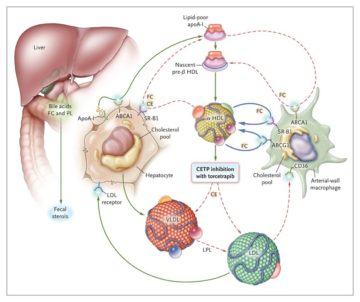 shocking. Torcetrapib, for example, failed at the very end of its phase III trial. So many resources had been expended to get that far in development. Everything spent was lost. All that remained was a big data pile worth virtually nothing, along with pilot plants that were built to supply the drug to thousands of patients across years of clinical trials.
 “The American way of life is not up for negotiation.” —George HW Bush to the assembled international diplomats at the Earth Summit in Rio de Janeiro, 1992
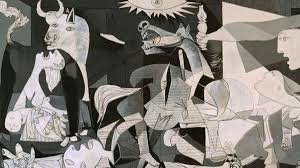 Not since the Civil War and Reconstruction has the citizenry in the United States been so divided. In our current
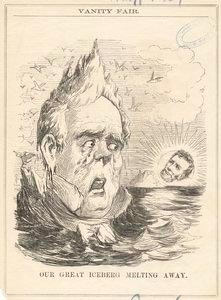 November 6, 1860. Perhaps the worst day in James Buchanan’s political life. His fears, his sympathies and antipathies, the judgment of the public upon an entire career, all converge into a horrible realty. Abraham Lincoln, of the “Black Republican Party,” has been elected President of the United States.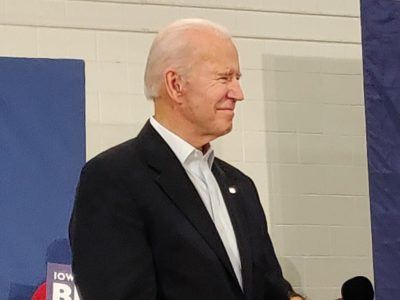
 Back in 1971, I couldn’t have predicted that the release of Joni Mitchell’s fourth album, Blue, would mark the beginning of the end of a friendship.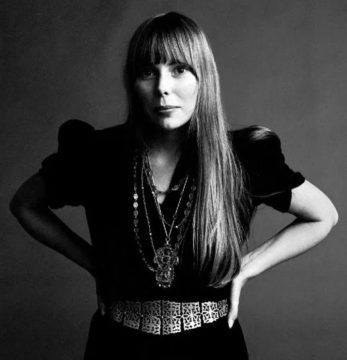
 2020 has been a wild ride, but it’s almost over, and I’m here to tell you it wasn’t all bad, as some great music came out this year – so much, in fact, that we’ll have to have two or even three podcasts this time even for the small taste which is our annual year-end review. Here’s part 1 (widget and link below).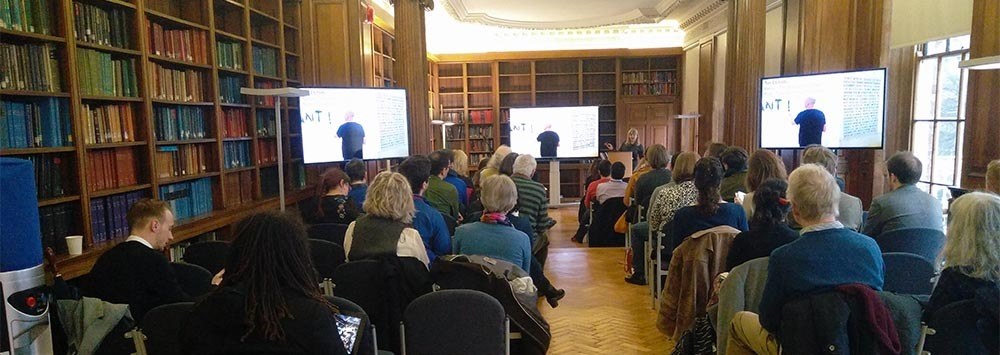
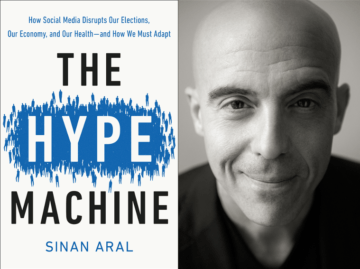 Given where we find ourselves in this late November of 2020, it is hard to think of a book more relevant or timely than The Hype Machine by Sinan Aral. The author is the David Austin Professor of Management and Professor of Information Technology and Marketing at the Massachusetts Institute of Technology. As one of the world’s foremost experts on social media and its effects, Prof. Aral is the perfect person to look at how this phenomenon has changed the world and the human experience. This is what he sets out to do in his new book, The Hype Machine, published under the Currency Imprint of Random House this September, and with considerable success.