
by Alexander C. Kafka
During the pandemic, my family binge-watched the National Geographic Genius miniseries about Albert Einstein, Pablo Picasso, and Aretha Franklin. We imagined ourselves the producers for such a project and considered whom we would select as geniuses to feature.
On my short list would surely be the choreographer, dancer, and entrepreneur Alvin Ailey, whose dance company has become a lasting juggernaut of artistry, entertainment, and pride.
The entertainment aspect has sometimes bred jealousy and resentment. Some critics have focused on the company’s beautiful, athletic bodies they see as stereotyped, idealized symbols of the Black experience. Ailey scoffed at that critique. If his astonishingly skilled and conditioned dancers raised the physical bar for American concert dance, so be it. And if audiences could understand and relate to his work, all the better.
“The Black pieces we do that come from blues, spirituals, and gospels are part of what I am,” he shot back. “They are as honest and truthful as we can make them. I’m interested in putting something on stage that will have a very wide appeal without being condescending, that will reach an audience and make it part of the dance, that will get everybody into the theater. If it’s art and entertainment, thank God, that’s what I want to be.”
The pride component is complex. Ailey’s work celebrates Black American pride, of course, but audiences around the world relate and respond to his themes of oppression, struggle, and transcendence. Ailey’s multiracial company became an international craze, through State Department touring, before it became an American one. Read more »



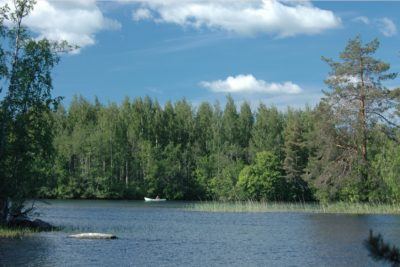 It wasn’t effortless but we managed to mollify, sidestep and defy enough authorities to be legally resident in Finland for the month of July. Never mind shoes and belts off and toothpaste in a plastic bag. No, do mind; do that too. But add PCR test results, Covid vaccination cards and popup, improvised airport queues. And a novel Coronavirus variant: marriage certificates on demand.
 Cancer has occupied my intellectual and professional life for half a century now. Despite all the heartfelt investments in trying to find better solutions, I am still treating acute myeloid leukemia patients with the same two drugs I was using in 1977. It is a devastating, demoralizing reality I must live with on a daily basis as my entire clinical practice consists of leukemia patients or leukemia’s precursor state, pre-leukemia. My colleagues, treating other and more common cancers, are no better off. I obsess over what I have done wrong and what the field is doing wrong collectively.
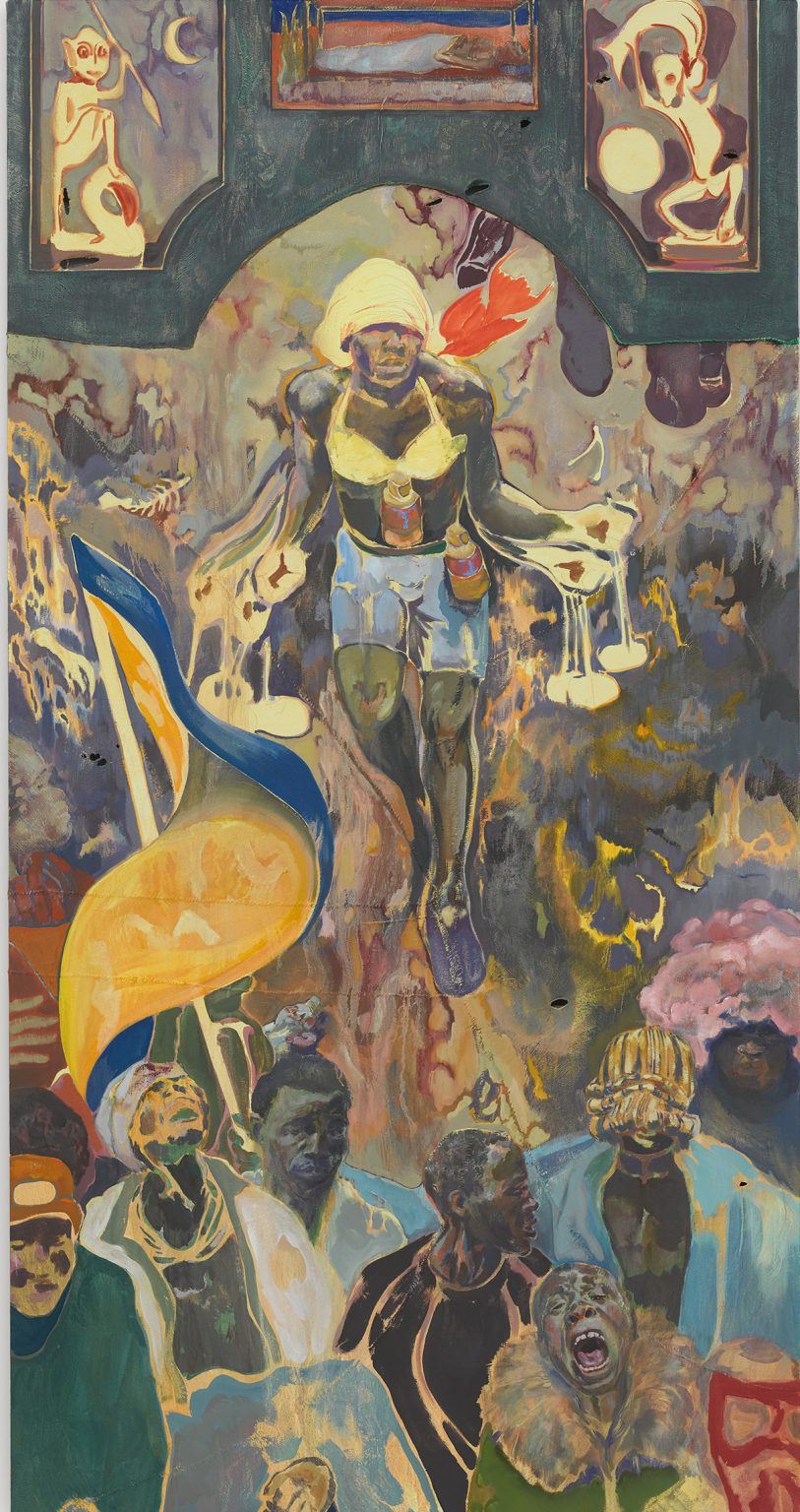
 Covid-19 has led to various reactions akin to the various phases in the process of grieving.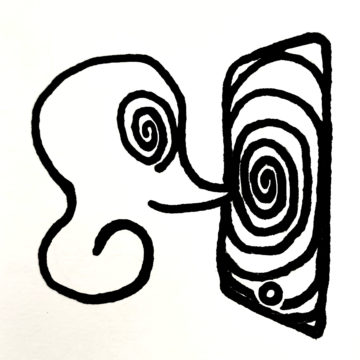
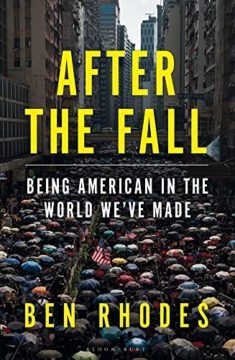 Many of us read with interest Ben Rhodes’ insider account of his time as a speech writer and advisor to Barack Obama during that historic presidency in his book The World as It Is: Inside the Obama White House. There were suggestions of his displeasure at some aspects of US politics in that publication, as for example the racism he thought Obama was subjected to while in office. His new book After the Fall: Being American in the World We’ve Made, goes further and is a clearer articulation of his concern about US and international politics. The conclusions he draws could be viewed as a personal coming of age in his understanding of the impact of American foreign policy on the world, and indeed experiencing and confronting more realistically, the ‘darker’ angels in US domestic politics.
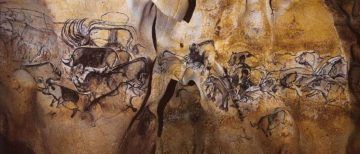 In 1994, Chauvet cave was discovered near the township of Vallon-Pont-d’Arc in southern France. The cave is a
 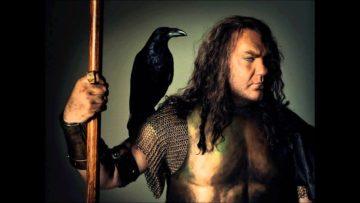 One day, I used to say to myself and anyone else who’d listen, I’m going to write a book called ‘everything you know about these people is wrong’. I have given up on the idea, and I expect anyway that someone else has already done it. What prompted the repeated thought was the way in which so little of what well known thinkers and artists did or said is actually reflected in public consciousness,
 You may know everything that you need to know about the on-going “Critical Race Theory” debate. Indeed, you might have concluded that actually there is no such
  Where I live in Colorado there are unstable elements of the landscape that sometimes fail. In severe cases, millions of tons of rock, silt, sand, and mud can shift, leading to massive landslides. The signs aren’t always evident because the breakdown in the structural geology often happens quietly underground. The invisible changes can take hundreds or thousands of years, but when a landslide takes place, it is fast and violent. And the new landscape that comes after is unrecognizable.
 A number of issues in the study of nationalism ought to be widely accepted nowadays, most notably perhaps the claim that political nationalism – the idea that a citizen pledges allegiance to a nation-state rather than to a village or a town – is a modern phenomenon. After all, nationalism properly takes hold in a territory when modern tools such as universal schooling are employed to produce a national identity – the inhabitants of a territory must speak the same language and recognise a common culture if a nation is to surface – and this is a product of the last 200 years. A national identity doesn’t come about on its own.