by Usha Alexander
[This is the eleventh in a series of essays, On Climate Truth and Fiction, in which I raise questions about environmental distress, the human experience, and storytelling. All the articles in this series can be read here.]
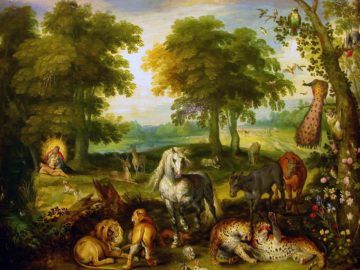 In the beginning, the god of the Biblical creation myths makes the Earth and sky. Over the next several days, he makes the sun, moon, and stars, grasses and fruit trees, most of the animals, and rain. Then, scooping up a bit of fresh mud, he molds a being who looks much like himself, a man, and into this homunculus he breathes life. As a dwelling place for this newborn Adam, he plants a lavishly abundant garden, filling it with beautiful and delicious plants. The creator tells Adam, “Of every tree of the garden thou mayest freely eat. But of the tree of the knowledge of good and evil, thou shalt not eat of it, for in the day that thou eatest thereof thou shalt surely die.” Then, realizing that Adam might feel lonely, the deity gives him cattle, fowl, and all the “beasts of the field.” Yet none of these quite seems a suitable companion, so from one of Adam’s ribs, god fashions a woman.
Quite pleased with his handiwork, the divinity instructs his new humans on how to live. He tells them they must increase their population. They must also replenish the Earth, and in doing so, subdue it and exercise dominion over all its living things. The almighty then leaves the newlyweds alone to get on with their business of eating, procreating, replenishing, and dominating, which they apparently take to just fine. Indeed, neither of the pair has any memorable comment on their situation, until the day Serpent piques Eve’s curiosity, telling her that if she and Adam were to eat from the one forbidden tree, rather than die, “your eyes shall be opened, and ye shall be as gods, knowing good and evil.” Now Eve takes new notice of this tree, understanding that it could make her “wise.” Enticed, she picks a fruit and munches it. Whatever she discovers then—new knowledge or wisdom or just fine flavor—is simply too good not to share with her husband and, despite their creator’s clear injunction to him, Adam follows his wife’s lead. Yet soon the hapless couple realize that this new state they find themselves in—their eyes having been opened—is indeed problematic. They seem to have transgressed some cosmic order and find themselves possessed now of a discomfiting self-awareness, of moral judgments and political motives, just like the god who made them—and distinctly unlike the beasts they lived among. Read more »
 In long plane journeys I do not sleep well. But some years back in one such journey I was tired and fell fast asleep. When I woke up, I saw a little note on my lap. It was from the captain in charge of the plane. It said, “I did not want to disturb you, but from our computer log I could see that your total travel so far with our airlines group just crossed 3 million miles. So congratulations! It seems you travel almost as much as I do.” I made a quick calculation, 3 million miles is like 6 return trips from the earth to the moon. With a deep sigh I chanted to myself, as our plane was hurtling through the night sky, a word from an ancient Sanskrit hymn: Charaiveti (keep moving!)

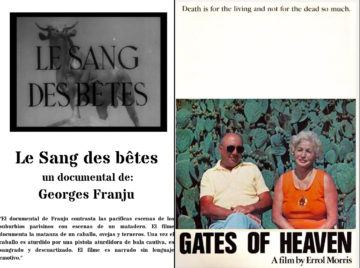 Blood of the Beasts (Le sang des bêtes)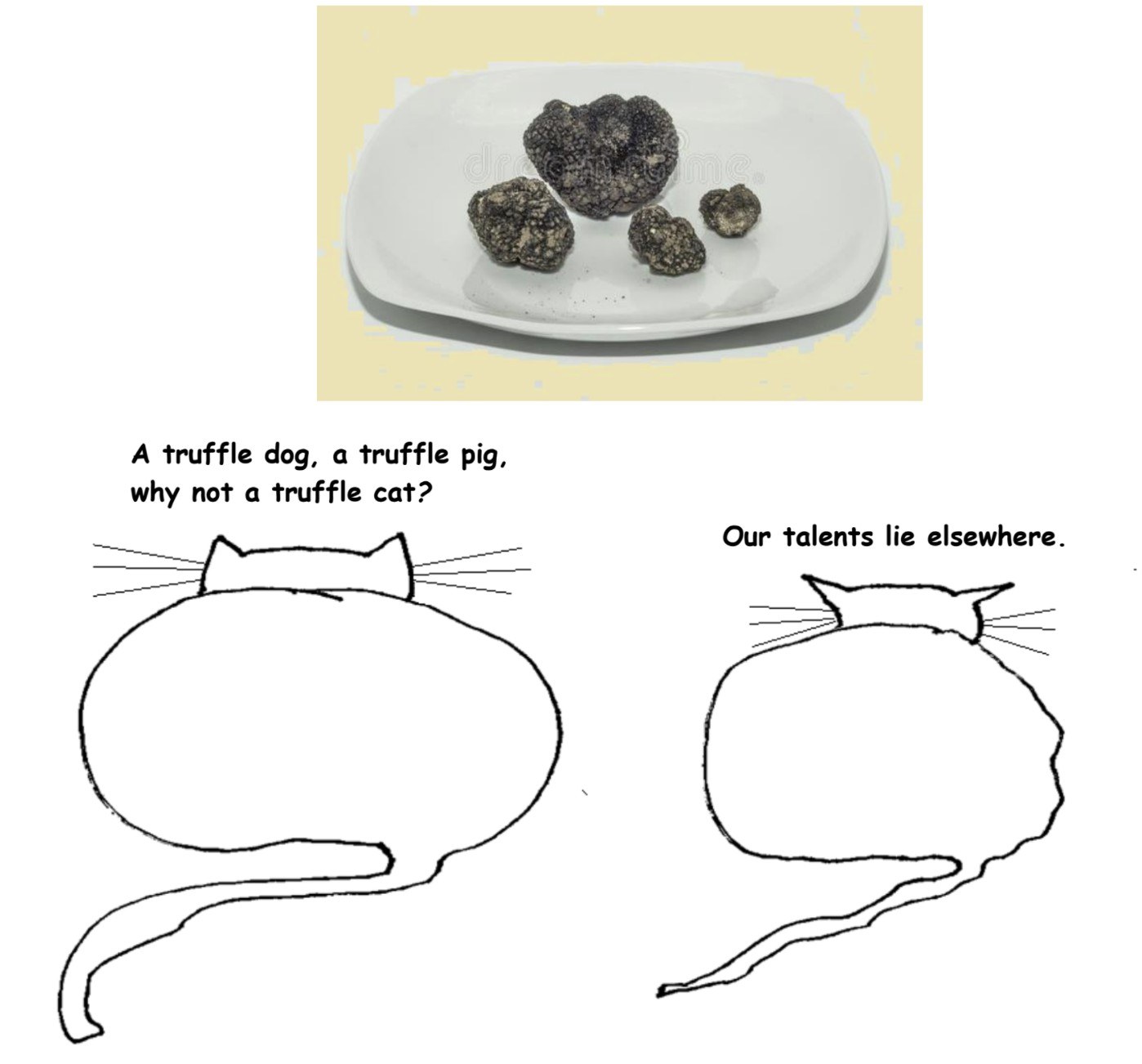
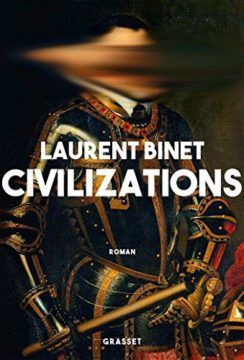 One of my oldest friends, an economic historian who serves as the Academic Director of a museum of Jewish life in northern Germany, is, like me, a child of May; and, during our recent birthday month, as is our custom, we exchanged gifts by post. Since we also share a love of books and history and a taste for grand, occasionally outlandish theory, as well as an abhorrence for futuristic science fiction, the novels we sent each other were in equal measures fantastical and backward-looking: examples of counterfactual historical fiction, what has come to be known as uchronia, the imaginative remaking of a bygone era that is the temporal counterpart to utopian geography.


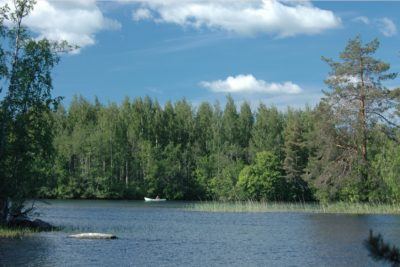 It wasn’t effortless but we managed to mollify, sidestep and defy enough authorities to be legally resident in Finland for the month of July. Never mind shoes and belts off and toothpaste in a plastic bag. No, do mind; do that too. But add PCR test results, Covid vaccination cards and popup, improvised airport queues. And a novel Coronavirus variant: marriage certificates on demand.
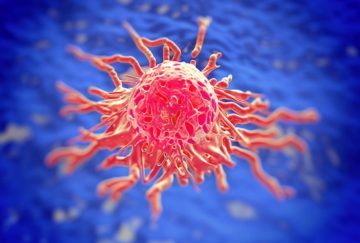 Cancer has occupied my intellectual and professional life for half a century now. Despite all the heartfelt investments in trying to find better solutions, I am still treating acute myeloid leukemia patients with the same two drugs I was using in 1977. It is a devastating, demoralizing reality I must live with on a daily basis as my entire clinical practice consists of leukemia patients or leukemia’s precursor state, pre-leukemia. My colleagues, treating other and more common cancers, are no better off. I obsess over what I have done wrong and what the field is doing wrong collectively.
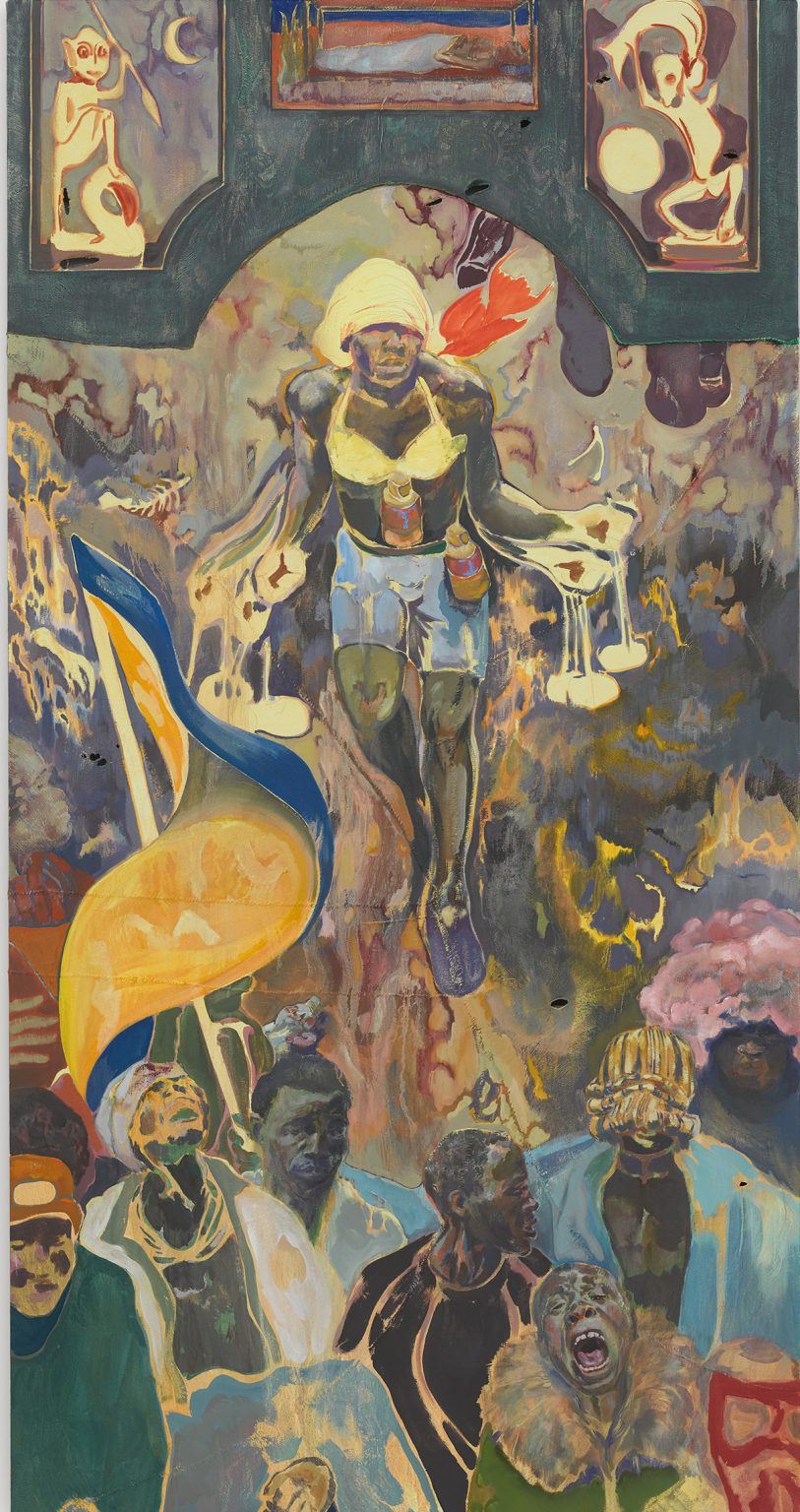
 Covid-19 has led to various reactions akin to the various phases in the process of grieving.