by Dick Edelstein
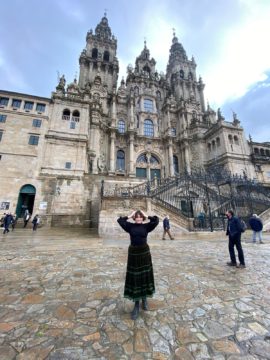
In this last of four essays on historical memory, I consider some of the guises under which this topic arises in Spain, the conflicts that exist between the need to remember and the need to forget, and those that crop up when different groups appeal to the right to remember. I previously discussed the issue of public access to archival data on Spanish Civil War casualties and victims. For two decades Spain has been on the leading edge of a wave of concern over historical memory: how social groups and nations construct and identify with particular narratives about historical periods or events.
Following Franco’s death, the main Spanish political parties negotiated the Pacto del Olvido, an agreement that was formalized in the Ley de Amnistía, which freed political prisoners but also protected those who had committed crimes during the Civil War and the subsequent Francoist regime. In 2007, the Ley de Memoria Histórica provided a new legal framework for investigating the human rights violations that fell under the amnesty and for identifying individuals buried in unmarked mass graves. Some conservatives considered that this legislation violated the spirit of the earlier pact.
The governing Spanish Socialist Party is now providing funding for the activities covered by the Ley de Memoria Histórica, which had been blocked since 2011 by the right-wing Partido Popular. The government is also drafting a more ambitious act to deal with the legacy of the Civil War and the dictatorship. Its objectives include funding the exhumation and DNA identification of casualties and victims, investigating past crimes, and educating children about the Civil War. Read more »



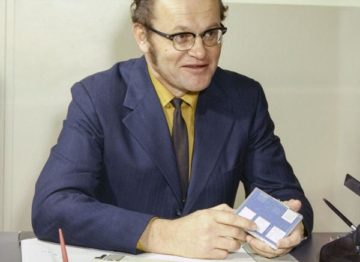
 At ISI we were assigned statistical assistants who’d take our large data analysis jobs to the IBM computer at the Planning Commission, but for relatively small jobs they’d do the calculations themselves by furiously rotating the handles of the small Facit mechanical calculator they each had, you could literally hear the noise of ‘data crunching’. This was before electronic desk calculators came to Indian institutions. I remember buying a small Texas Instruments calculator in a short trip abroad and was quite impressed by its capacity; and I told TN that I did not need to learn the operation of Facit machines, which I saw him cranking all the time. (This reminds me of a British economist, Ivor Pearce, who told me that just before the War he used to work for an accounting firm where they had not yet heard of log tables; he said he finished the whole day’s work in just an hour by using the log table and read books in his office the rest of the time). Of course, I am told today our tiny laptops/smartphones contain computing capacity million times larger than the biggest IBM machines in India at that time.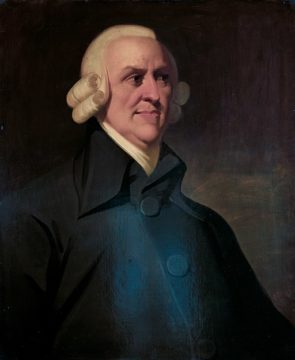


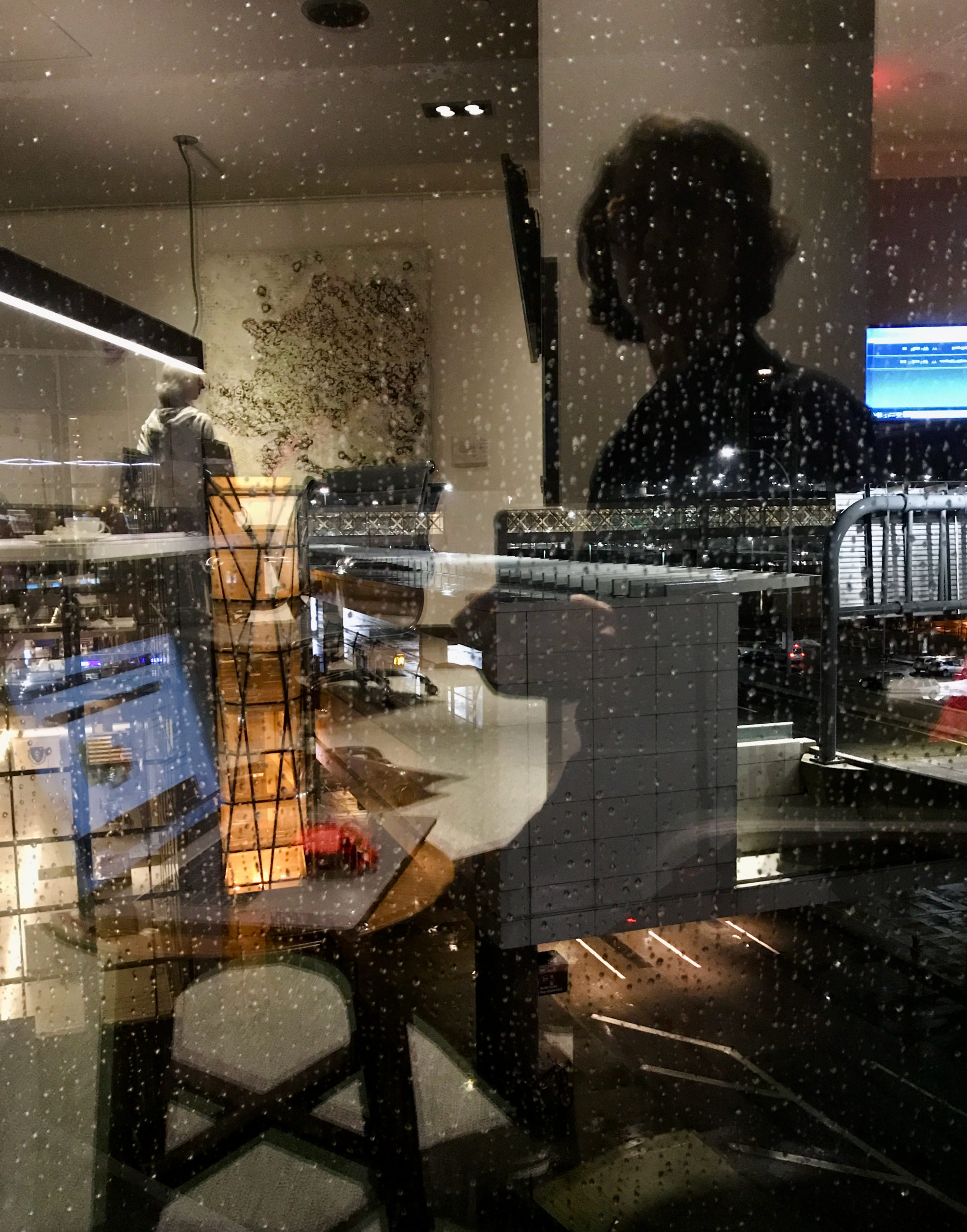 Sughra Raza. Rainy Reflection Self-portrait for 2022.
 January, 2022. East End, Long Island, NY. It’s getting colder. I just recovered from a bout with COVID. I am sitting around the fire pit sipping tequila, drinking homemade bone broth from a mug, and watching lists of very important dead people, ripped from various newspapers and magazines, burn in the fire. Life is good.
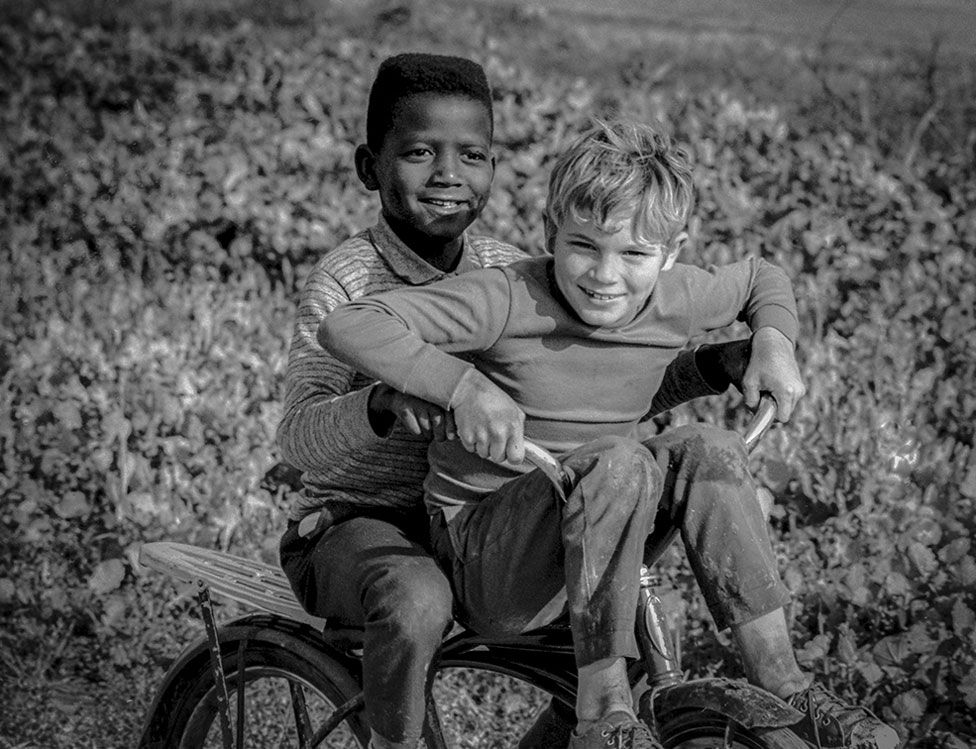 Three things we know about #BLM, two obvious, one a bit more subtle.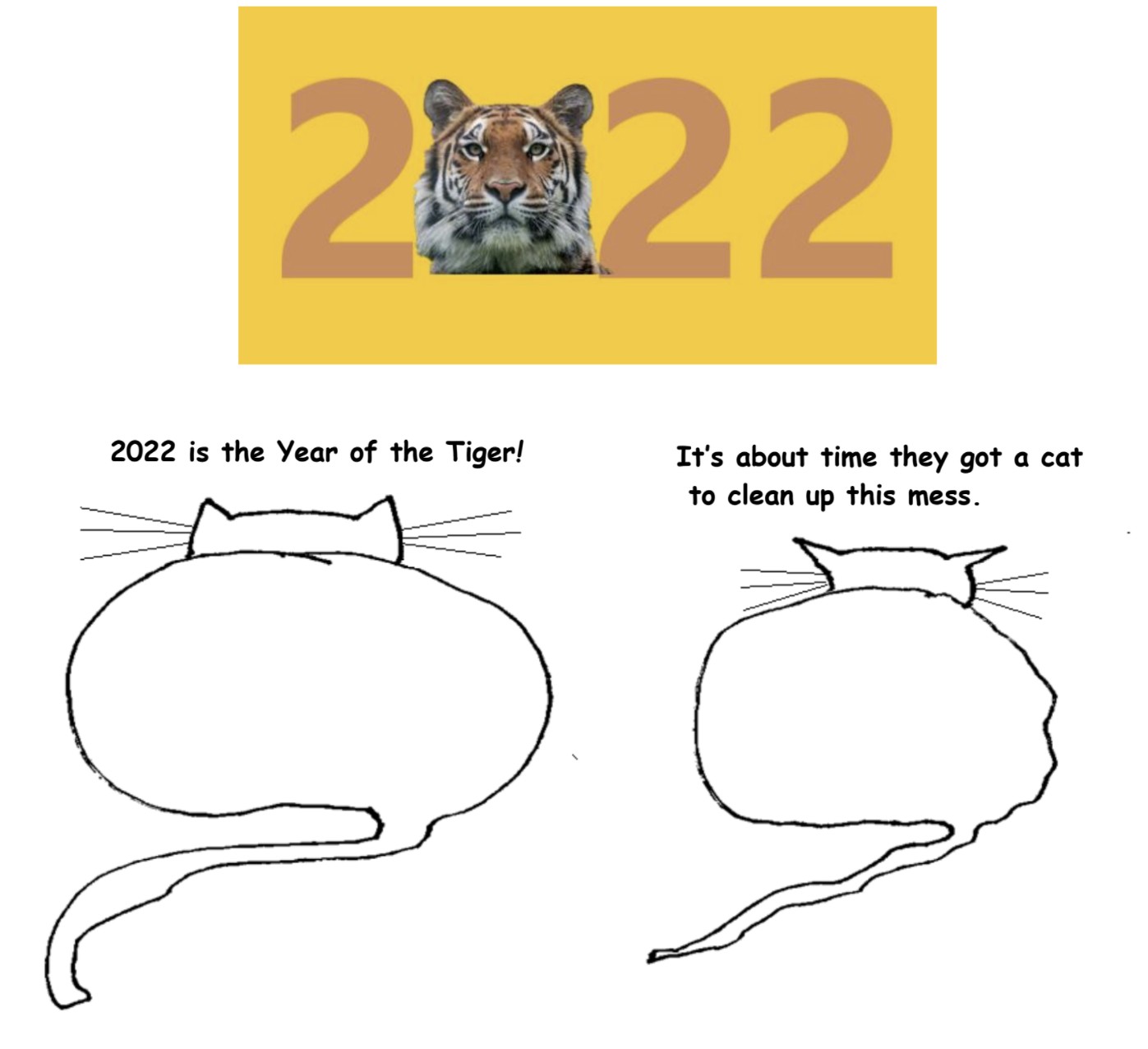
 2022 is alive, a babe come hale and hollering to join its sisters 2020 and 2021, siblings bound by pandemic. Everybody stood to see off 2022’s older sister 2021, like we all did 2020 before her. Out with the old. Quickly, please.