by Akim Reinhardt

Satire seems all but dead for now. Maybe it’s because the world became increasingly ludicrous, culminating with a real-life president as ridiculous as any satire Jonathan Swift or Dorothy Parker could dream up. Donald Trump’s bizarre presidency may have been the peak of absurdity (fingers crossed), but it had been building for a while as right wing extremism became more and more cartoonish, TV evolved into formulaic lunacy, and QAnon convinced millions to believe the Lizard People conspiracy. This rising tide of insanity neutralized satire by making reality itself seem like parody.
As the world became almost unfathomably strange, many people reacted by demanding seriousness; social and political critics understandably turned very sober. And this too marginalized satire, which addresses serious issues by mocking them. Its seriousness is dressed up in pasquinade. Satire doesn’t loudly demand righteous justice or offer up moralistic lessons. It exposes crimes by spoofing them. It’s neither judge nor jury, but rather the jester who sends up the corrupt and lecherous court.
For a while I’ve observed that satire is caught in the middle, between the craziness and the sanctimony. Between the outrageous and the outraged. This was driven home to me last week when I watched the film Slapshot, which I’d not seen in over 30 years. A 1977 comedy about minor league hockey, it comes from an era that was ripe with satire. But I suspect most audiences today would not recognize its satirical edges. Partly because it’s nearly half-a-century old and the culture has shifted in numerous ways. But also because satire currently flies over many people’s heads. Read more »
 The second half of Frankl’s
 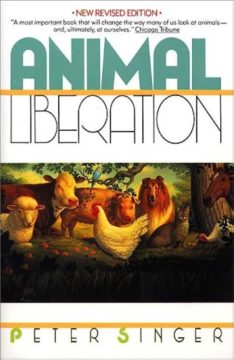 Human treatment of animals is a moral calamity at an outrageous scale, that I can get from zero to really quite worked up about in a matter of seconds. For fear of hurting the cause, I allow myself to take part in polite conversation about the dead bodies on the dinner table only if there is a more soft-spoken ally nearby. Two minutes into the conversation, when I find myself suppressing the urge to yell at a meat apologist how that kind of excuse might equally well be used to justify eating human babies, I am often grateful that there is somebody who can steer the conversation instead towards the socially acceptable topic of plant-based recipes.
 We’re here early this year. June has just gotten started, and after a day or two of intermittent rain with a blustery sky and a stiff wind off Lake Saimaa, fifty degrees Fahrenheit feels a lot colder than the same back in Atlanta. I’ve just learned that it hasn’t been this cold in June since 1968. It snowed today right down the road. The paper took the laconic approach and


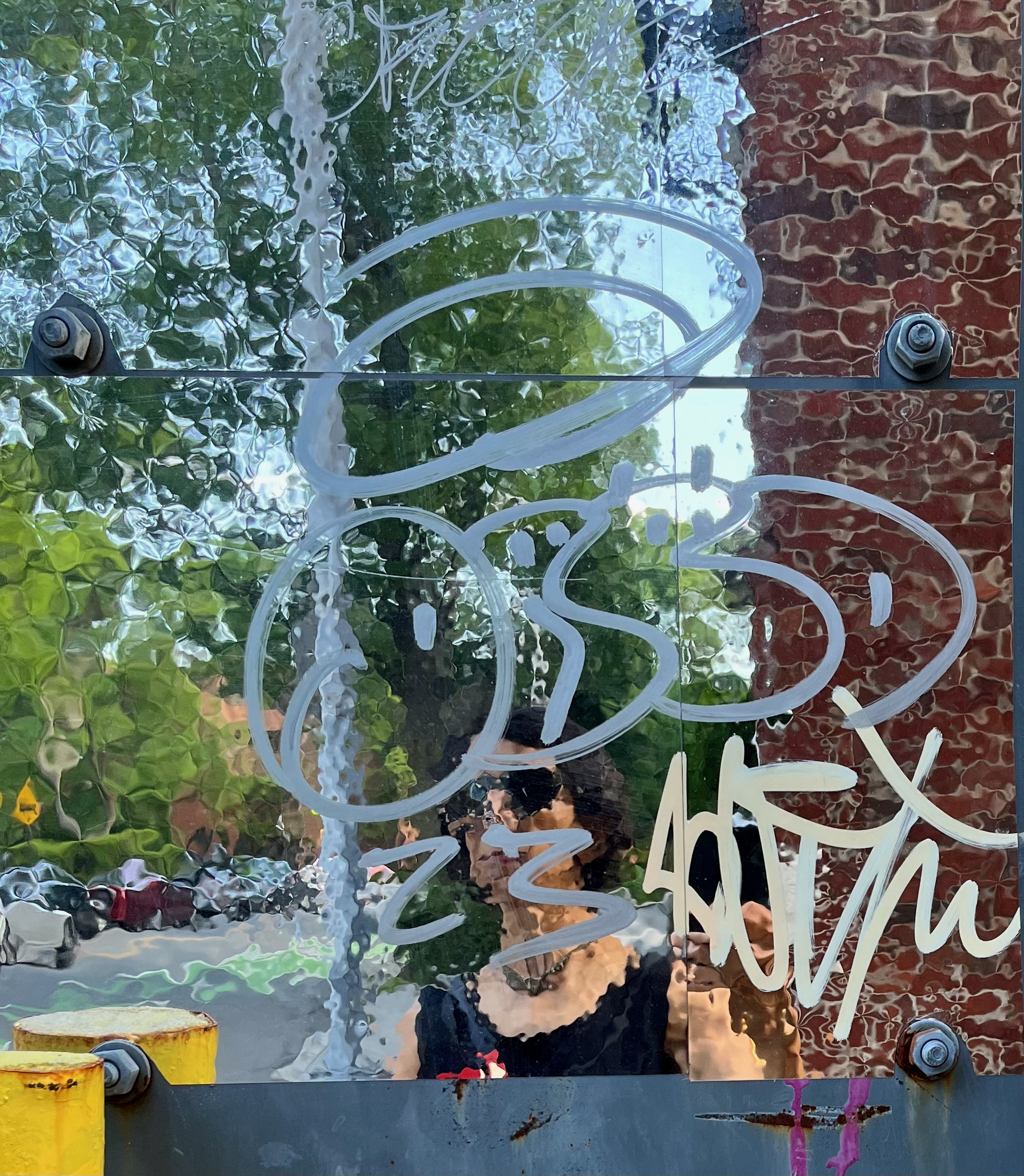 Sughra Raza. Self-portrait On Graffiti In The Rain. June 2023.
 But—let’s be honest—to me he’s Dad.