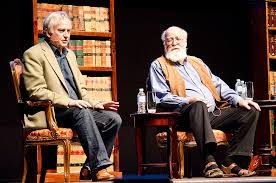
by Nils Peterson
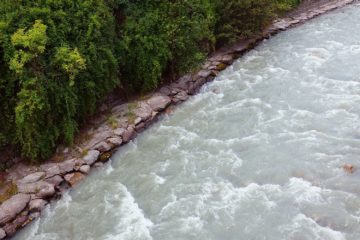 One of the easy metaphors, easy because it just feels true, is that life is like a river in its flowing from then to whenever. We are both a leaf floating on it, and the river itself. Boat maybe. Raft more likely. But those who know such things say there is a river beneath the river, the hyporheic flow. “This is the water that moves under the stream, in cobble beds and old sandbars. It edges up the toe slope to the forest, a wide unseen river that flows beneath the eddies and the splash. A deep invisible river, known to its roots and rocks, the water and the land intimate beyond our knowing. It is the hyporheic flow I’m listening for.” The person speaking is Robin Kimmerer, a biologist, professor and member of the Citizen Potawatomi Nation. It’s from her book Braiding Sweetgrass.
I’ve used the river image often enough in my own writing when thinking about my life and the lives of others, but now I’m wondering if what I was really trying to do was to find a way to listen to this deeper river, to get a sense of it as it winds its way to, well, Is there such a thing as the hyporheic sea? There must be and therefore all my sea images really float on that sea beneath the sea. Robin says, “One thing I’ve learned in the woods is that there is no such thing as random. Everything is steeped in meaning, colored by relationships, one thing with another.” Well, yes. This is the poet’s understanding too, and I think it is the basic understanding of language, maybe of consciousness.
I’m thinking now of a girl I dated my junior year in college. I had to come back to school a little early because I sang in the choir and there was a special program early that we had been asked to sing for. The football team also came back early for its fall practice. This girl in addition to being a singer was a cheerleader. It worked out that fall that she went out with me every other weekend. A football player took her out the in-between weeks. I was a year younger than my class and very shy. I had just started to do things on the campus, act in plays, write for the newspaper, join the creative writing club, finding out how much I loved literature. I enjoyed talking with her. Maybe we held hands, but the truth was she awed me. I was continually surprised she was out with me. Read more »
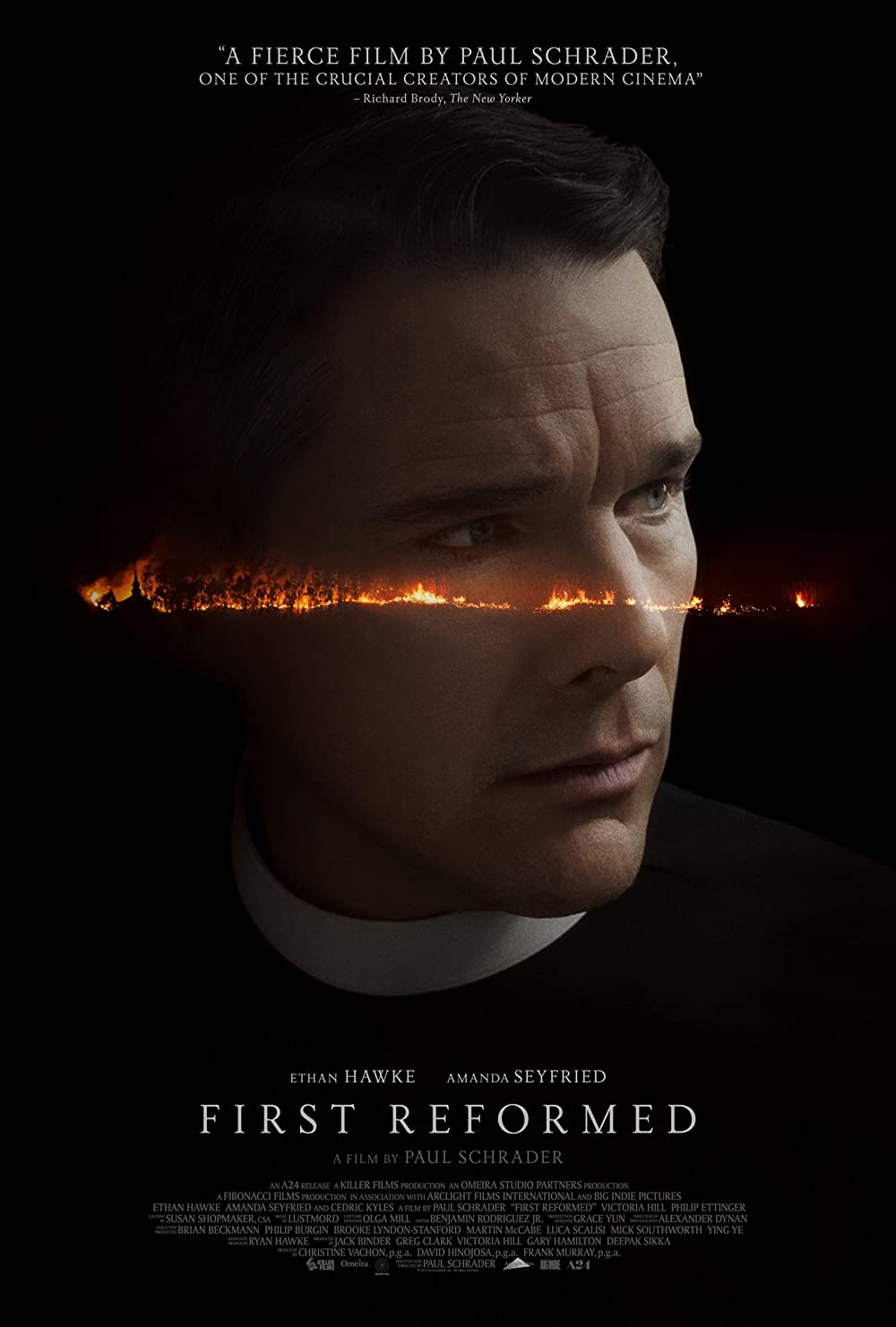 There is a scene near the end of First Reformed, the 2017 film directed by Paul Schrader, where the pastor of a successful megachurch says to the pastor of a small, sparsely attended church:
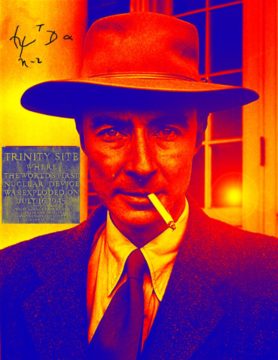


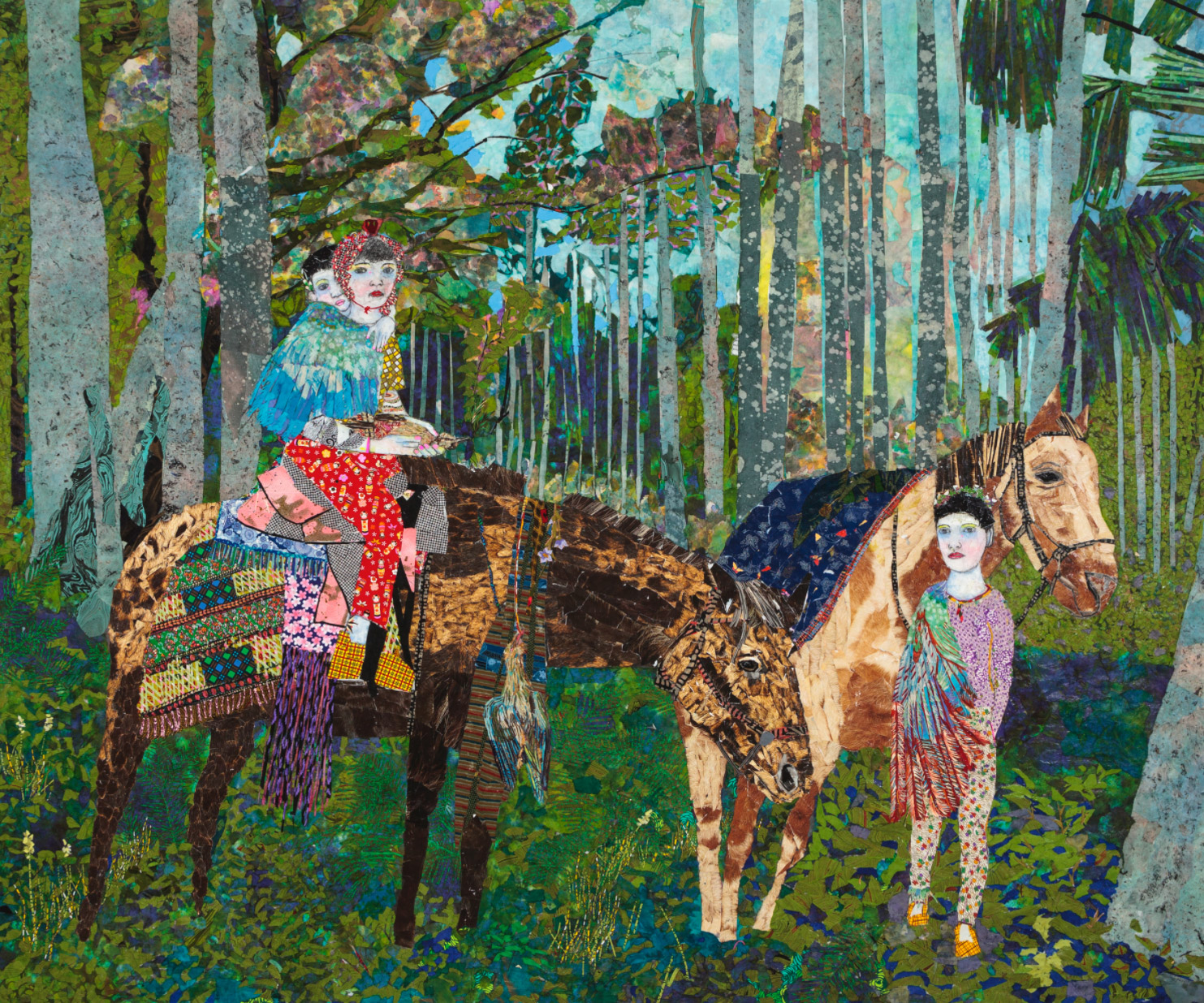 Maria Berrio. From the series “In A Time of Drought”.
 The Lede
 1.
1.

 “D — — , I presume, is not altogether a fool, and, if not, must have anticipated these waylayings, as a matter of course.”
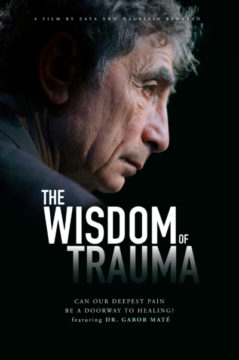 He received the Order of Canada, profoundly helped many people with addiction on the streets of Vancouver, and is much loved and admired, but some of Dr. Gabor Maté’s claims feel like they don’t hold water. And some claims might actually be dangerous if blindly accepted.