by Thomas R. Wells
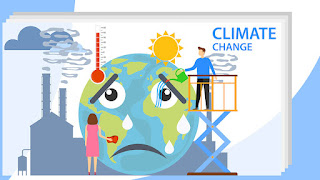 Climate change is a huge and urgent problem. It is natural to suppose that it is therefore a terrible mistake, an unforced error that we should regret and try to prevent ever happening again.
I disagree. Climate change is the unfortunate outcome of the economic growth that has transformed human civilisation for the better. We cannot regret climate change without regretting the vastly better world for most people that the fossil-fuel powered industrial revolution brought. Nor should we draw the anti-technology lesson that solutions are always worse than the original problems, that humans should retreat to living within the bounds of nature rather than attempting to escape them.
The argument I am trying to oppose is not often made explicitly, but seems to lurk around and underneath the response to climate change, especially among people younger than me. It looks something like this:
P1. Climate change is a huge and urgent problem
P2. Climate change is human-made, the result of the industrial revolution and the striving for economic growth
C1. Therefore, climate change is the result of bad choices based on bad values that we should regret. (This often takes the form of a quasi-religious sense of ‘original sin’ among the climate woke)
C2. Therefore, we should prevent such mistakes from happening again (This further anti-technology/anti-growth conclusion is not drawn by everyone, but is powerful within the environmentalist movement)
Let me take each conclusion in turn. Read more »
 Sughra Raza. This Moment … late June 2022.
 I know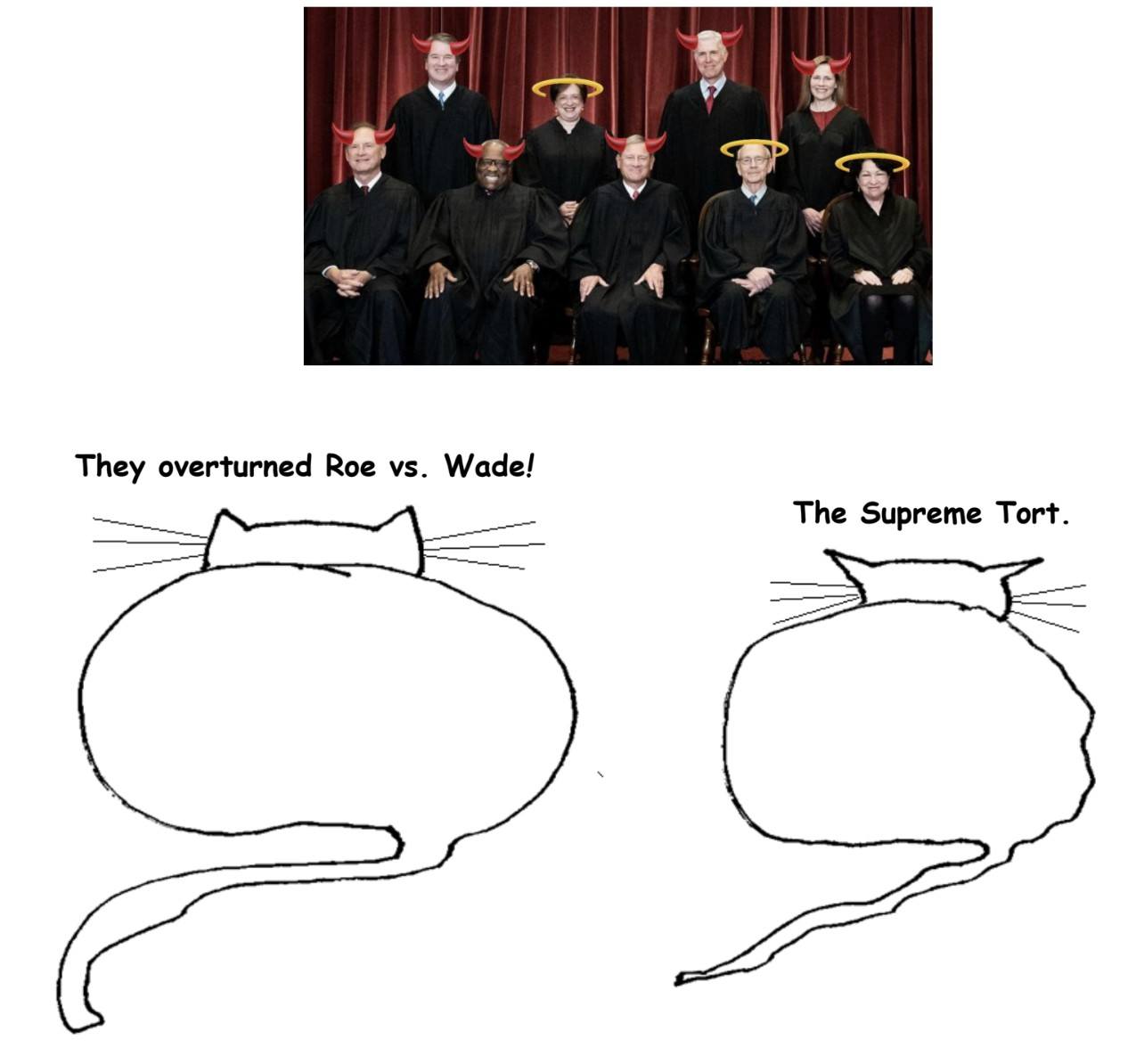



 Some years after Carlos died, another friend and another noted development economist, Hans Binswanger, was diagnosed as HIV-positive. He initially took that as a death sentence and gave away much of the material things he had. But by then the new antiretroviral drugs were in use, and possibly because of them lived an active life for another quarter century, until he died in Pretoria, South Africa in 2017 at age 74. In 2002, shortly before he left his World Bank job, he founded and endowed an NGO in Zimbabwe, that supported about 100 mostly HIV-positive children and their families by providing education, supplemental health care, and counseling. In South Africa he married his boyfriend Victor in a traditional multi-day Zulu celebration. Since then he has always identified his last name as Binswanger-Mkhize.
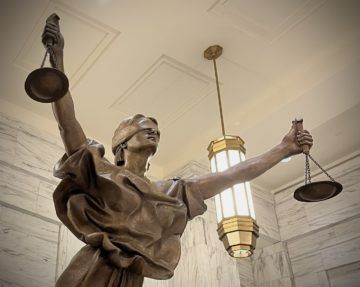 Carved in marble above the entrance to the Supreme Court Building is the motto: “Equal Justice Under The Law.”
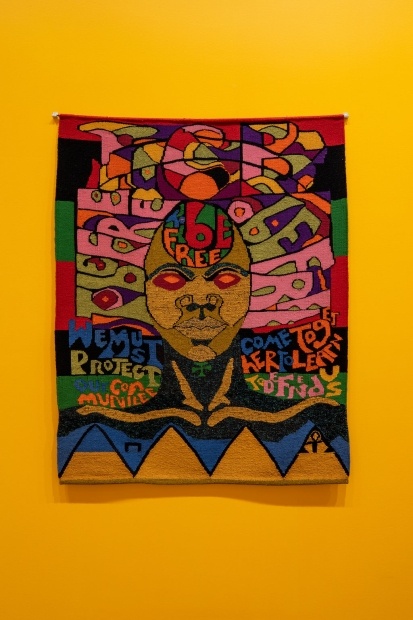 Napoleon Jones-Henderson. TCB, 1970.

 Dreams are about questions.


 I had a colleague, a great reader, whose favorite material was mid-century Japanese short-form realism. Frequently epistolary and often featuring at least one frame narrative, these novellas typically have as their narrator someone captivated, not to say obsessed, by a memory; and that memory, it seemed to me when I read the works my colleague lent me, is almost inevitably fed by an erotic or romantic encounter, as well as by its often calamitous sequelae.