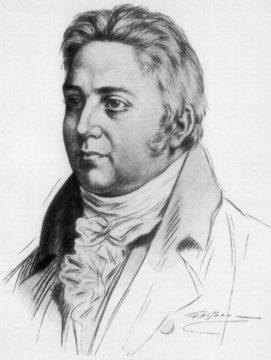
by Marie Snyder
 I knew it was coming, yet I was still surprised when it hit my classroom.
“We shouldn’t be looking at this.”
Students have complained about my course before, certain that they should not be expected to read anything so difficult in a high school philosophy course. The effect of this grumbling can be seen in the watering down of some English courses deciphering Hunger Games instead of Hamlet. I enjoyed that popular trilogy, and I’m no Shakespeare stan, but I do assert that it’s vital to develop more complex reading skills and close reading habits in our teenagers with works that demand consideration of each word before they walk out of high school. Too many in our society are losing their ability to sustain attention to the end of a magazine article and grasp the nuances of an ambitious claim to the point of believing radical headlines and letting noxious chants sway their voting habits. So I firmly stand my ground, luring them to continue with the potential reward of being able to impress their friends and destroy their enemies with their enhanced reading superpowers.
But this semester brought out that other quibble.
A few students were adamant that I shouldn’t be getting them to read philosophers who are sexist or racist or homophobic.
But that’s almost all of them! Read more »
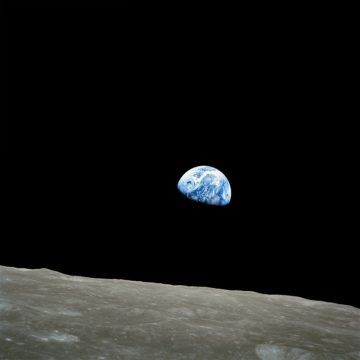 I think a lot about the fate of human civilization these days.
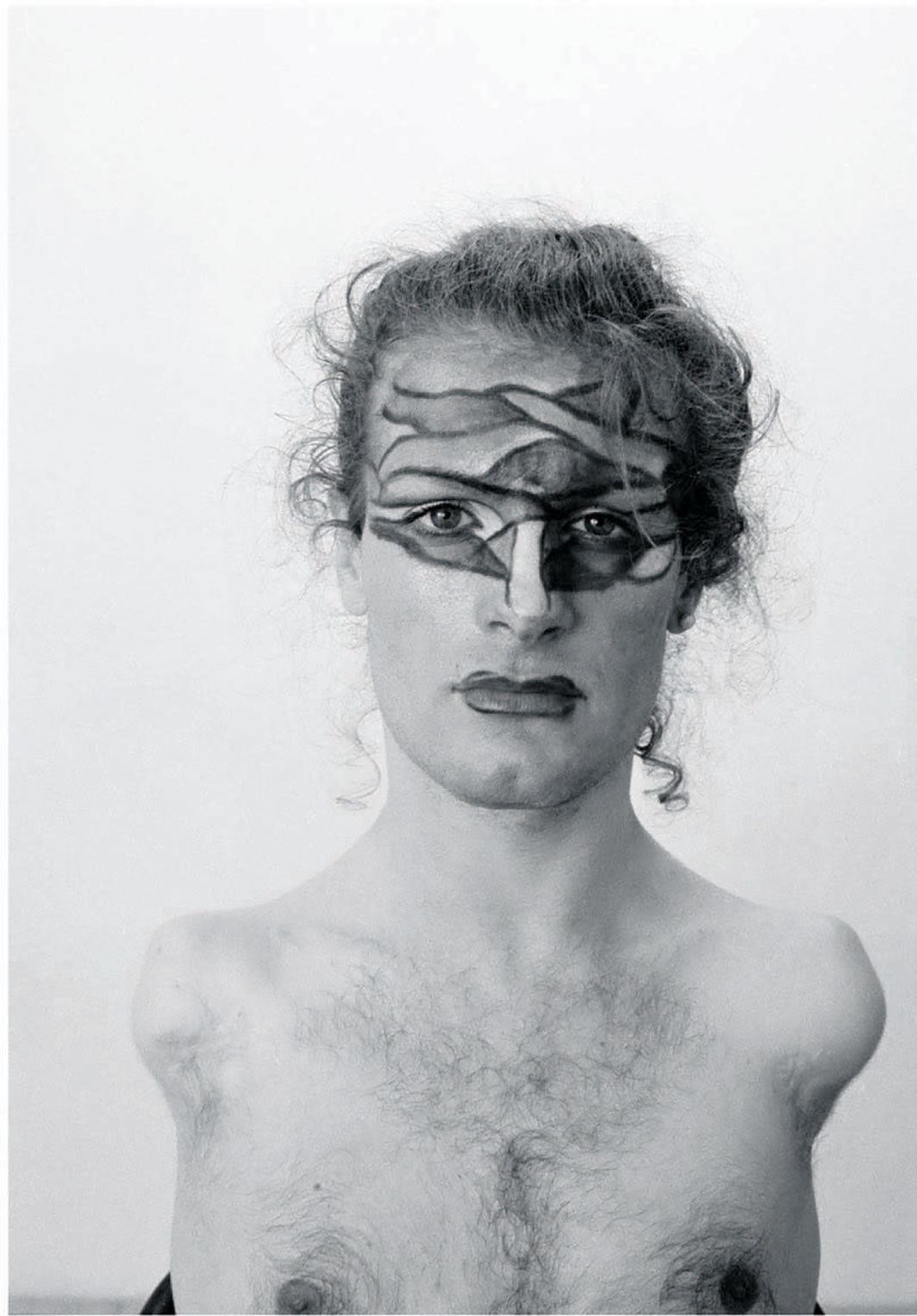 Lorenza Böttner. Face Art, 1983.
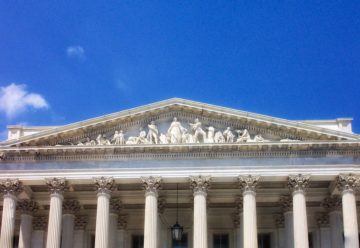
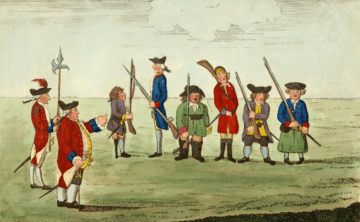 Elections have consequences. Sometimes those consequences may be unintended, but they are always there. Elections have consequences. You can’t say it too many times because too many voters don’t act if they believe it. They should. Elections have consequences.
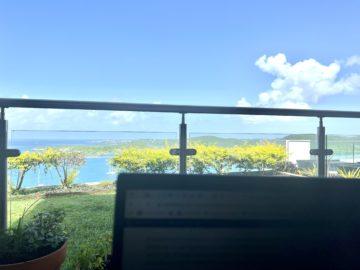 I recently started a new job. The process of looking and interviewing for this job was unlike any other I’ve been through because I now live on the Caribbean island of Grenada. I moved here during the height of the pandemic when everyone was working from home. When I told my plans to the company I was working for then, their only comment was that I needed to stay domiciled in the US, which I have. But now that we’ve all gone back to some kind of post-COVID normalcy (even if variants are still coming at us hard and fast), I wasn’t sure how to approach a new company with my slightly unusual living situation. My initial thoughts were that I get through a first interview before bringing it up, but that seemed not only disingenuous but also pointless; they were going to have a problem with it, or they weren’t. Putting off the reveal was just a waste of everyone’s time. And so, I mostly led with this news. Amazingly, no one cared.
  In the early 1990’s I was a visiting fellow at St Catherine’s College and an academic visitor at Nuffield College in Oxford. At Nuffield College at that time two friends from my Cambridge student days were Fellows, Jim Mirrlees and Christopher Bliss. (I think Jim was mostly away during my visit, and graciously asked me to use his large office at Nuffield). The other person I used to see there off and on was Tony Atkinson who became the Warden of Nuffield shortly afterward. I knew Tony since our student days in Cambridge. Like me he also moved from one Cambridge to the other, to MIT, roughly around the same time. Both of us were heavily influenced by our teacher James Meade, though Tony never did a Ph.D. (as used to be the old British tradition—neither James Meade nor Joan Robinson had a Ph.D.) Tony did not follow Meade in the latter’s work on international trade, as I did, but in other respects he broadly followed on the footsteps of Meade, apart from sharing Meade’s personal characteristics of modesty, decency and a positive vision of the future. Tony was certainly among the best economists of my generation, with pioneering work on inequality, poverty, public policies, redistributive taxation, and welfare. He was also an advocate of Universal Basic Income. I had co-authored a chapter for the Handbook of Income Distribution that he co-edited with François Bourguignon, a French development economist friend of mine.
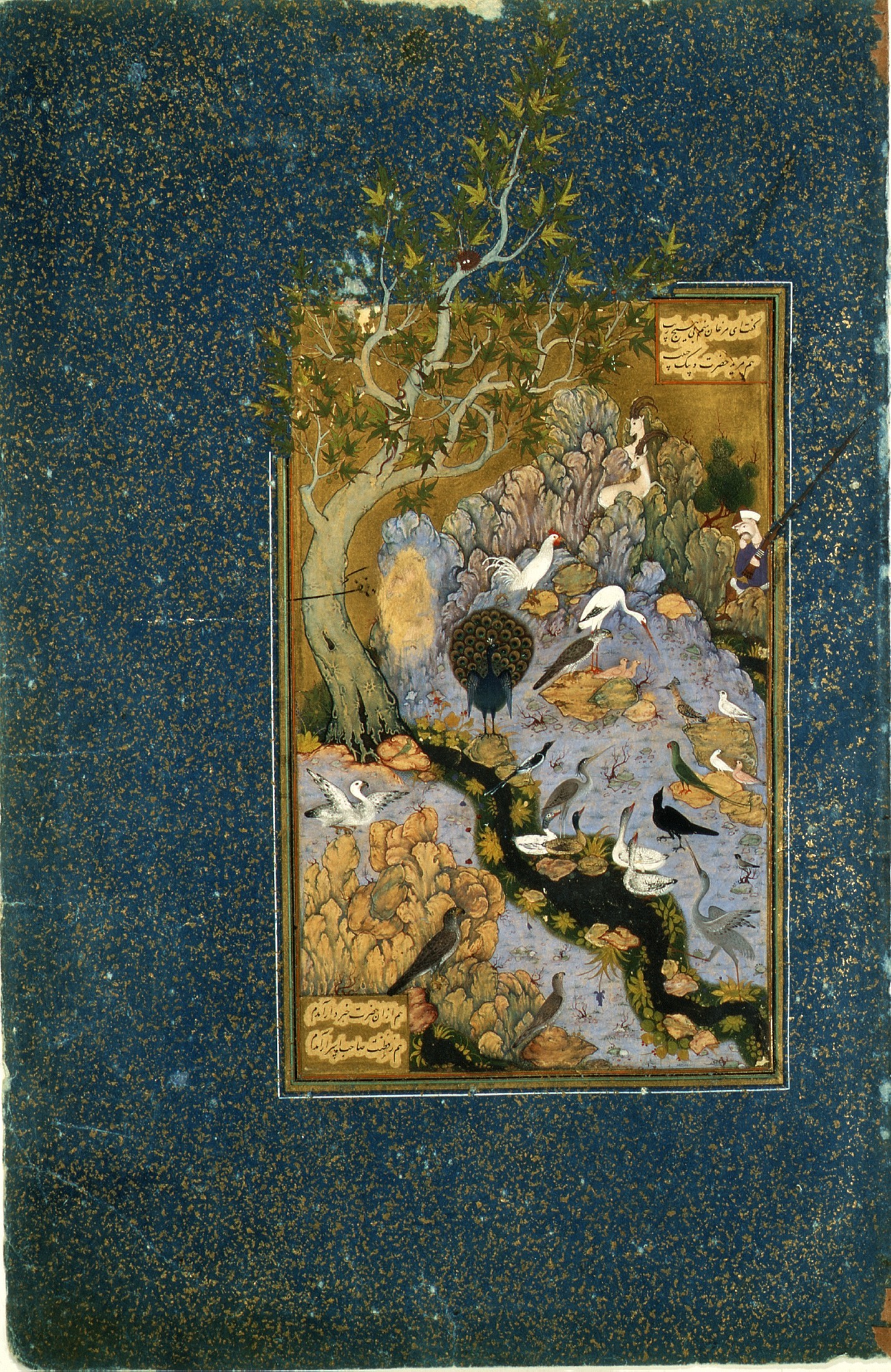 Habiballah of Sava. Concourse of The Birds, ca. 1600
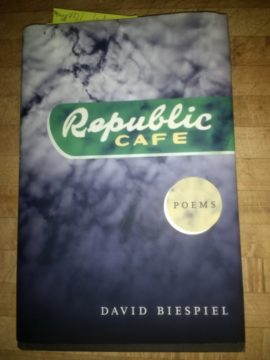 We sit in David Biespiel’s Republic Café: all of us together in the public space of democracy. It appeared in 2019, as American fascism made its perennial strut, less disguised than usual. At that point we’d endured two years of it. Lies spewed from the Leader’s mouth like flies from an open sewer, his followers enacting Hannah Arendt’s crisp formulation: