
by Derek Neal
Friday, September 2, 3:24 pm
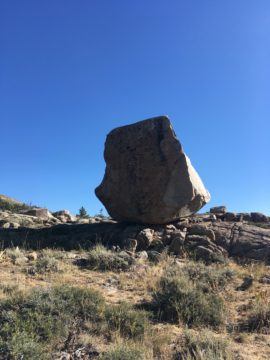
I’m in a white Toyota Camry, practically brand new, and I’ve passed a spotted deer grazing outside the airport and a billboard with a picture of a baby and the words, “God doesn’t make mistakes.” Wyoming, I think to myself. The GPS on my phone tells me I can drive 104 miles on the one lane highway before making a turn. Going west, I think to myself. I decide to try out the luxuries of the Toyota Camry; it has Sirius XM radio, and the breadth of stations is impressive. I put on “Studio 54” radio and immediately hear Luther Vandross singing for the group Change, a Chic-inspired disco band from the 80s. I listen for a few songs, but it’s all wrong: this is music for New York. I try to call up The War on Drugs on my phone, a fitting soundtrack for cutting through the plains, foot to the ground, blue skies above, but I don’t have service. Wyoming, I think again. Thank God the map is still working.
Going back to the radio, I see they have artist channels and one of them is Tom Petty radio. Now that’s music for driving west. The fist song is “Saving Grace.” Petty is singing:
And it’s hard to say
Who you are these days
But you run on anyways
I realize I don’t have the vocabulary to describe what I’m seeing beyond the windshield. Words come to me: steppe, bluff, vista, brush, but they lack a specific referent outside of the vast expanse unfolding before me. The landscape is dry and undulating, with occasional growths of struggling vegetation. There are few trees, much rock. Everything is a baked yellowish color, cooking under the sun and meeting the light blue sky on the horizon. Read more »
 In connection with our research and meetings in the MacArthur network we did a considerable amount of international travel. Let me now turn to a whole series of my travel-related stories, some in connection with this network but mostly outside it and in different periods of my itinerant life.

 As forced migration in the wake of war and climate change continues, and various administrations attempt to additionally restrict the movement of people while further “freeing” the flow of capital, national borders, nativism, and a sense of cultural rootedness have re-emerged as acceptable topics in a globalized order that had until recently believed itself post-national. In the German-speaking world, where refugees have been met with varying degrees of enthusiasm depending on their provenance, national pride, long taboo following the Second World War, at least in Germany, is enjoying a comeback. As the last generation of perpetrators and victims dies and a newly self-confident, unproblematically nationalist generation comes to consciousness, it is again becoming possible to use a romantic, symbolically charged term like Heimat.
 Sughra Raza. Don’t Step On The Jewels, 2014.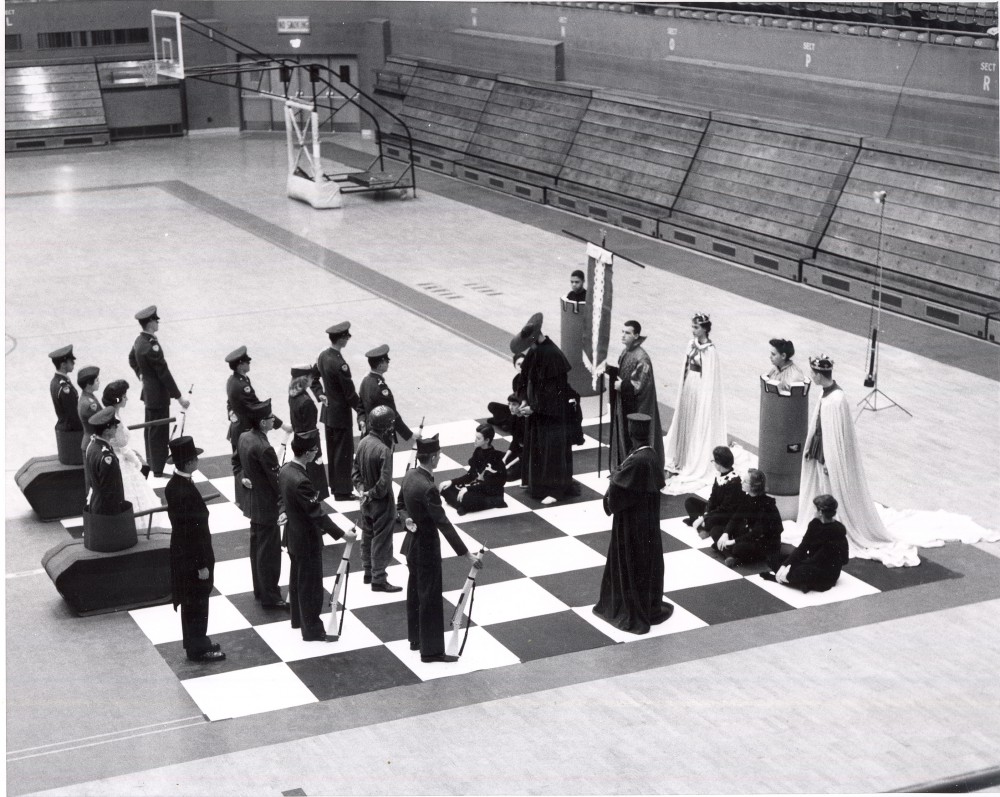
 technology will somehow amplify itself into a superintelligence and proceed to eliminate the human race, either inadvertently – as a side effect of some other project, such as creating paper clips (a standard example), or deliberately.

 About eight years ago, I was in downtown Manhattan and went into a Warby Parker store, an eyewear retailer. I didn’t post anything on social media about it, but I did have location services enabled on Facebook. Later that day, Facebook started showing me ads for eyewear (something it had never done before.) How and why it did that wasn’t a giant leap of understanding, and I immediately turned location services off for Facebook. But of course, this was sticking one thumb in the crumbling dam that is my data privacy. I own an Alexa, and I have an iPhone, an Apple watch, and an iPad. And that’s just for starters. I use Google all day long, subscribe to multiple online publications, use Amazon regularly, have used Instacart in the past, and the list goes on.
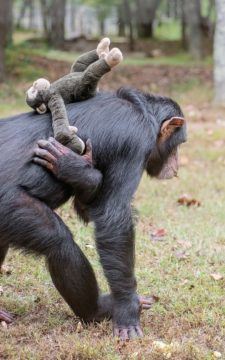




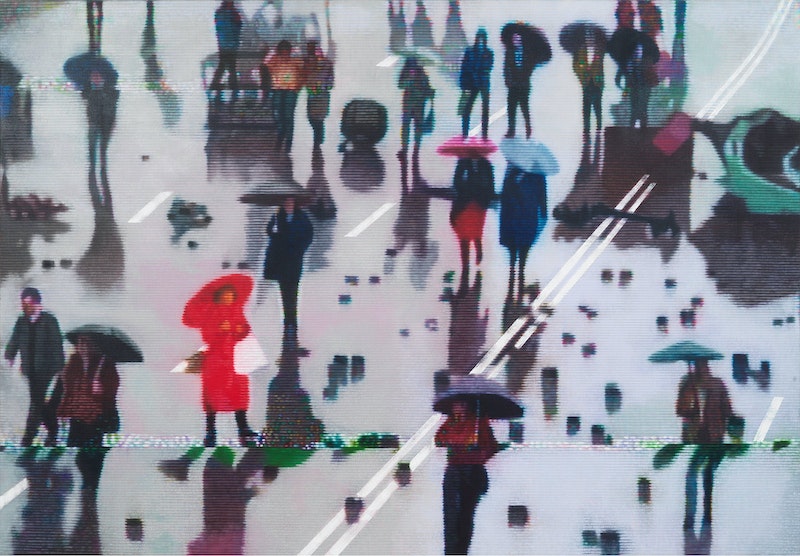 Kon Trubkovich. The Antepenultimate End, 2019.