Given current conditions on Terra Firma, just needed some space—
Fun in Space
Call me nomad.
Rootlessness is my routine.
From where I stand space
begs for exploration, not occupation
—occupation of space requires a
military state of mind, armies train for it,
but individuals grow dull and lethargic
just occupying space.
There’s no substitute for dynamism
when facing space. Moving through
is the best way to get the feel of it,
the rush of time through your hair.
When I stumble upon a new chunk
I like to engage it many times over,
laying out alternate trajectories,
bisecting circles, flying off on tangents,
or just nosing around looking for shortcuts.
If the wind’s right you might catch me
boogalooing along a hypotenuse or,
oscillating between the foci of an ellipse,
I go at it from all angles by any means.
For instance, I’ve found a trampoline’s
a great way to explore space:
up, down, up, down.
Along similar lines (if you have the bucks)
a space shuttle’s good too:
up, down, up, down.
There are various ways to approach space.
We can grid it off and tackle it one little block at a time,
or go at it whole, working it as Jackson Pollock would a canvas
—our choice depends upon our depth of indoctrination, or
personality disorder.
Whatever our milieu,
space can be an exhilarating place —or is it places?
—whatever.
In fact, space is full of surprises,
moving beyond bland Euclidean space
that is (the plainest of all geometries);
—still, you gotta hand it to the guy,
Euclid’s space may be old hat,
but it’s a space that’s served us well over the years.
Try getting from here to there without it.
But what really psyches me
are novel topologies of space.
There’s nothing more exhilarating
then space that pushes the envelope.
Consider the tasty appeal of a torus,
the deep-fried cuisine of cops, AKA “donut,”
or the intriguing infinity of a Möbius strip,
or the warm and cozy feel of a
conversation-laced pub. These are
boundary-pushing spaces all,
but they’re nothing up against the
reality-bending possibilities of warped space
as given by Einstein, or the mystically tangled
theory of strings! Just the thought of Einsteinian space
trumps any sense of metaphysical claustrophobia
left over from grade-school catechism under hard nuns.
But now?
Now I never miss the chance to savor space;
with eight billion of us on the planet,
at our present rate of consumption,
you never know when you might run out.
Jim Culleny © 2007
 I like to vote in person on Election Day. I’m sentimental that way. My polling precinct is at the local elementary school. So last Tuesday, I woke up early, dressed and got out the door in a rush, and arrived to find not the expected pastiche of cardboard candidate signs and nagging pamphleteers, but rather a playground full of 2nd graders.
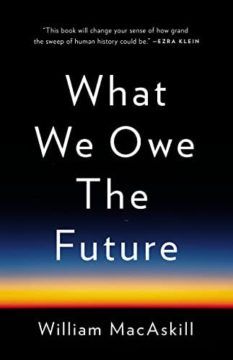 I’m not sold on longtermism myself, but its proponents sure have my sympathy for the eagerness with which its opponents mine their arguments for repugnant conclusions. The basic idea, that we ought to do more for the benefit of future lives than we are doing now, is often seen as either ridiculous or dangerous.
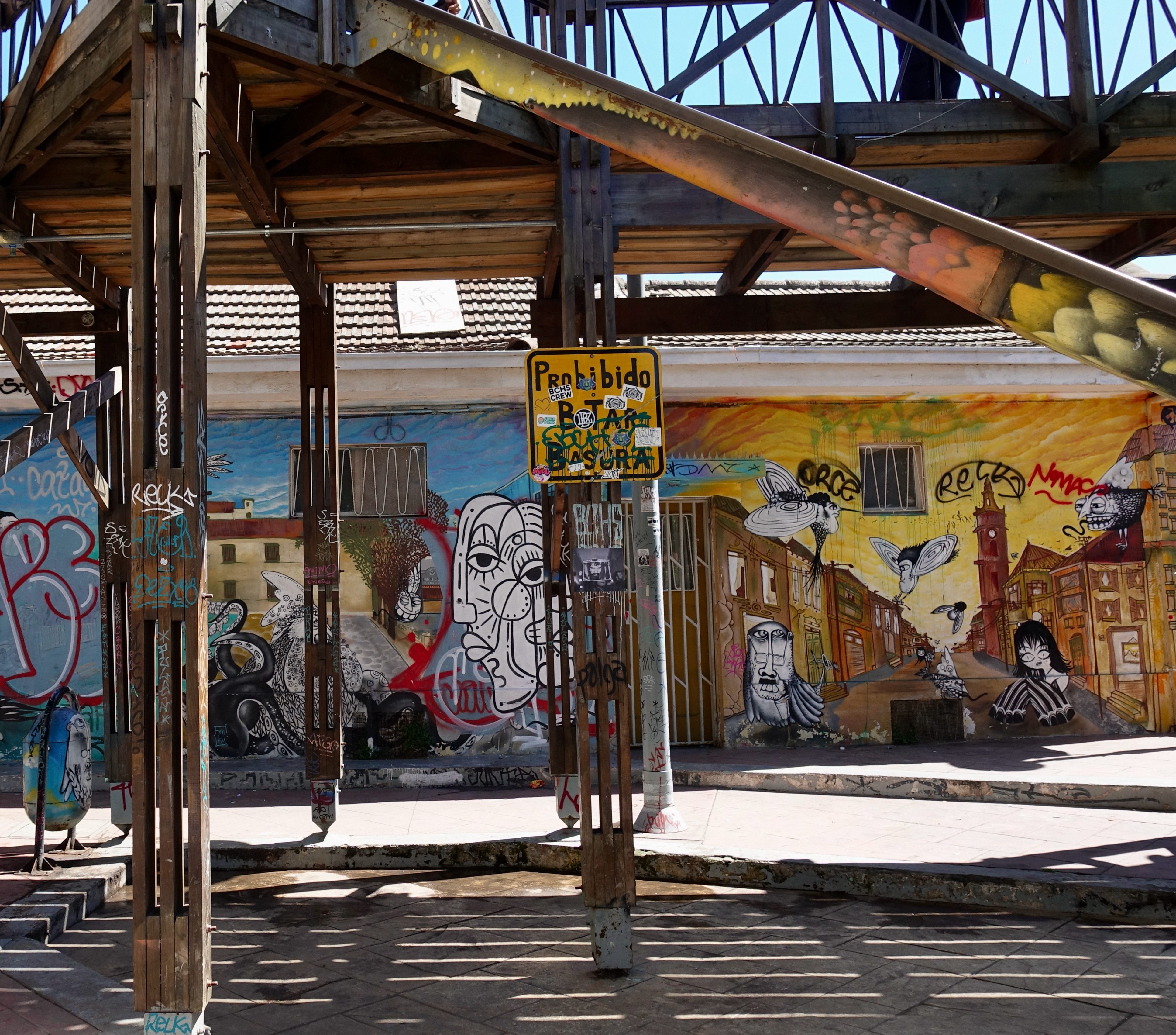 Sughra Raza. Valparaiso Expressions. Chile, November 2017.
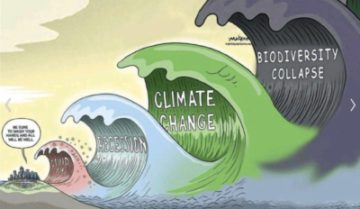 Climate change and covid are revealing an ongoing inability for our society to make wise decisions in the face of calamity, which may be leading us to a collapse of our civilization. Perhaps if we accept (or just believe) that we’re nearing the end, we can shift our priorities enough to usher in a more peaceful and equitable denouement.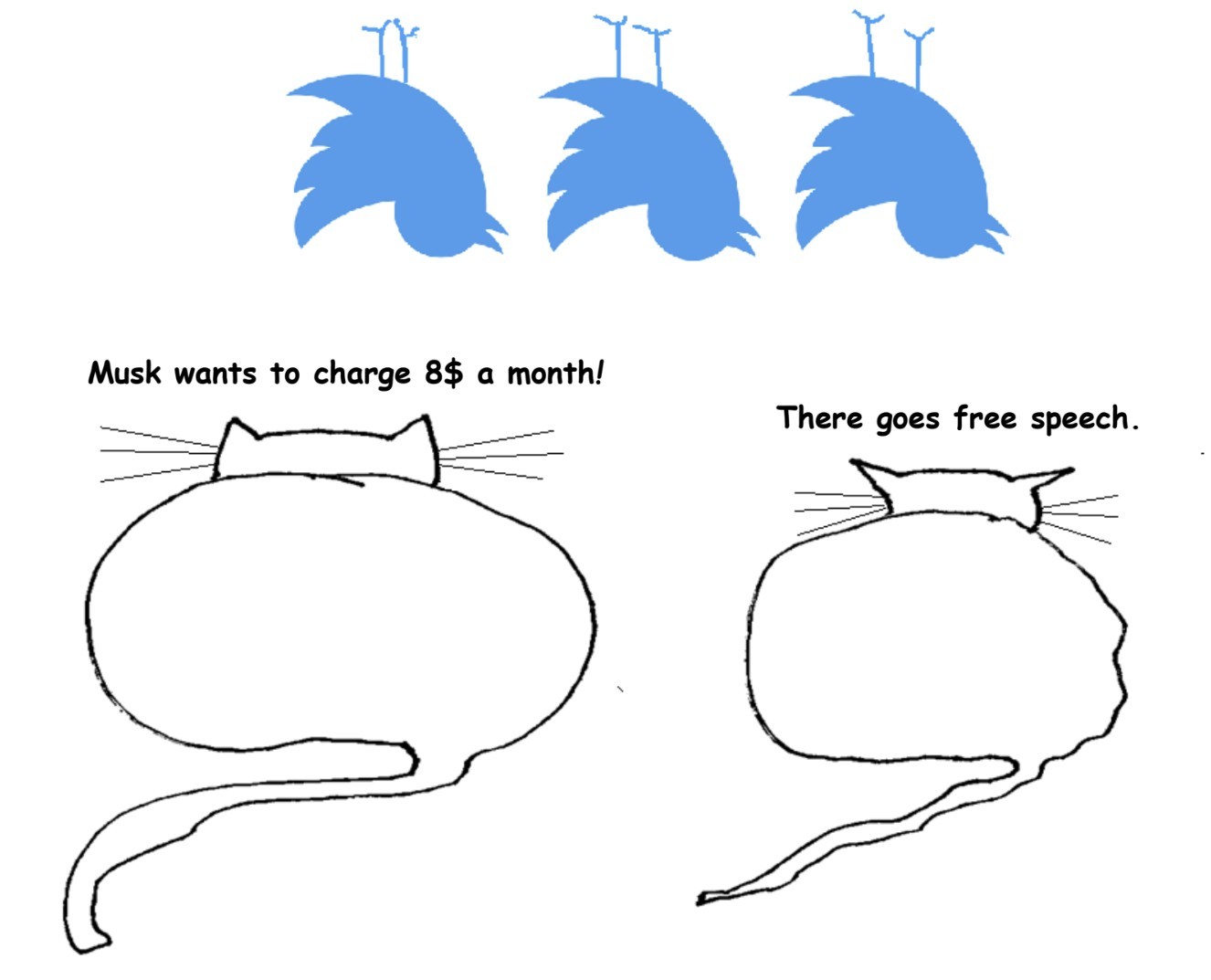




 Now there is a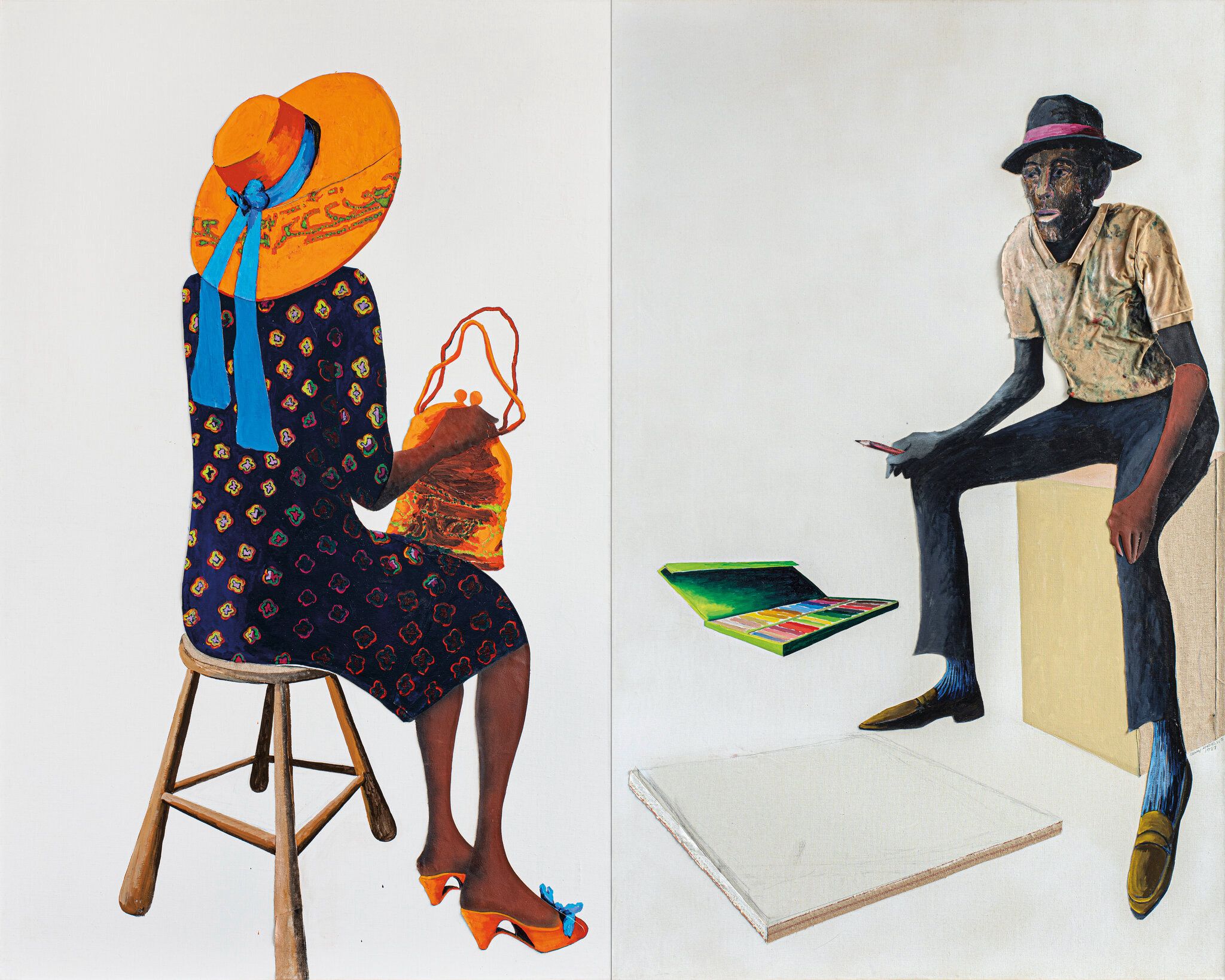
 “Mankind was first taught to stammer the proposition of equality” – “Everyone is equal to everyone else” – “In a religious context, and only later was it made into morality,” Nietzsche wrote. Elsewhere, he called “human equality,” or “moral equality,” a specifically “Christian concept, no less crazy [than the soul],” moral equality “has passed even more deeply into the tissue of modernity…[it] furnishes the prototype of all theories of equal rights.”