by Bill Murray

We left last month’s column worried about getting tickets on a train across a swath of Africa’s midsection, from Dar es Salaam, Tanzania to Lusaka, Zambia. There’s a funny system for getting on that train. You can reserve tickets over the phone but you can’t buy them online.
You must come to the train station in person, Tanzanian Shillings in hand, and buy your tickets with cash. When we turned up the day before departure, the whole, massive, foreboding station was deserted except for a sprinkle of porters loitering outside for lack of business, and one man behind the ticket window.
We offered our $188 in cash in shillings. He offered a big smile, the fact that he had a son in Missouri, and four tickets, so that the two of us, my wife Mirja and I, claimed an entire four person compartment for our own.
There is a cliché about Africa, about the need to build in extra time for everything. It’s a cutesy, knowing, slightly smug expression of superiority among tourists when they learn it and use it for the first time; it is, in fairness, also true.
Welcome to the Tazara (TA for Tanzania, ZA for Zambia and RA for railroad) railroad. Its timetable led us to expect a forty two hour ride, but we stayed on that train for fifty seven hours and forty minutes, busting through a scheduled Sunday morning arrival time and instead arriving after midnight the next day.
Not that you’d have thought so at the start. Remarkably, even a touch triumphantly, the Tazara pulled out of Dar es Salaam station three minutes late at 3:53 on Friday afternoon. It didn’t take long for its true character to emerge, though; the Tazara was three hours late by its second stop. Read more »

 In the movies the mathematician is always a lone genius, possibly mad, and uninterested in socializing with other people. Or they are

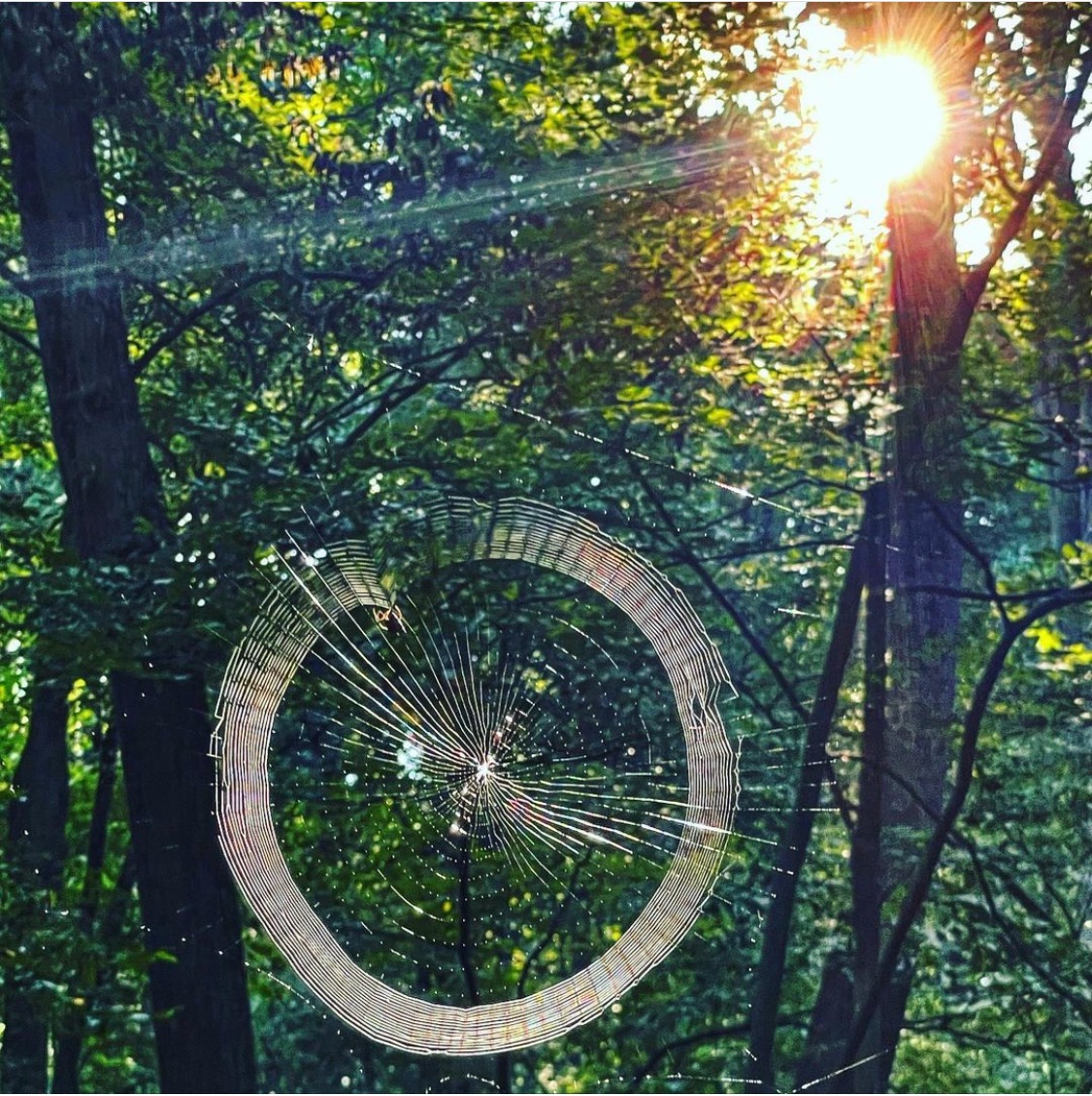 Zaneb Beams. Untitled, 2022.


 ‘Wenn möglich, bitte wenden.’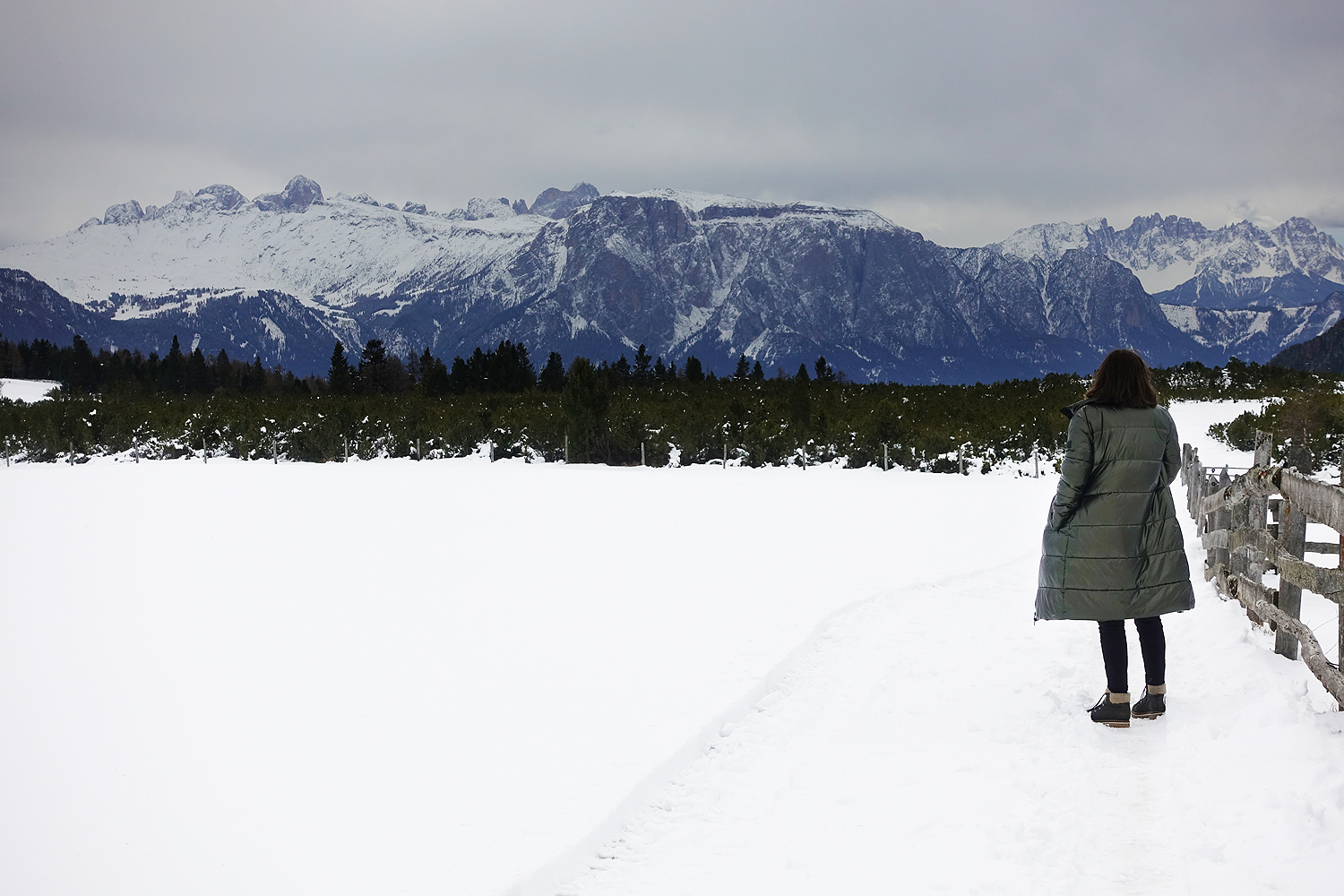
 Everyone is talking about artificial intelligence. This is understandable: AI in its current capacity, which we so little understand ourselves, alternately threatens dystopia and promises utopia. We are mostly asking questions. Crucially, we are not asking so much whether the risks outweigh the rewards. That is because the relationship between the first potential and the second is laughably skewed. Most of us are already striving to thrive; whether increasingly superintelligent AI can help us do that is questionable. Whether AI can kill all humans is not.

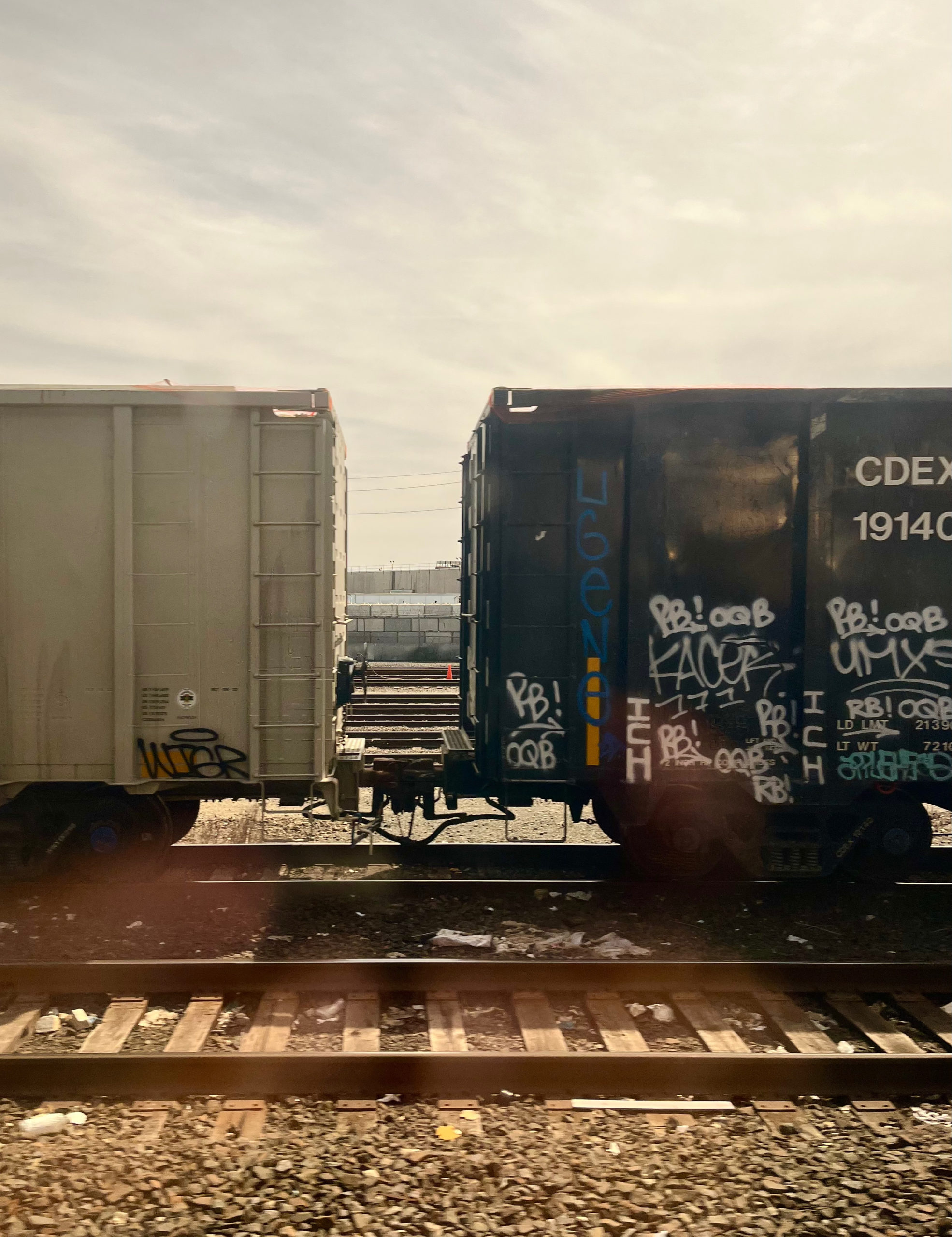 Sughra Raza. NYC, April 2023.
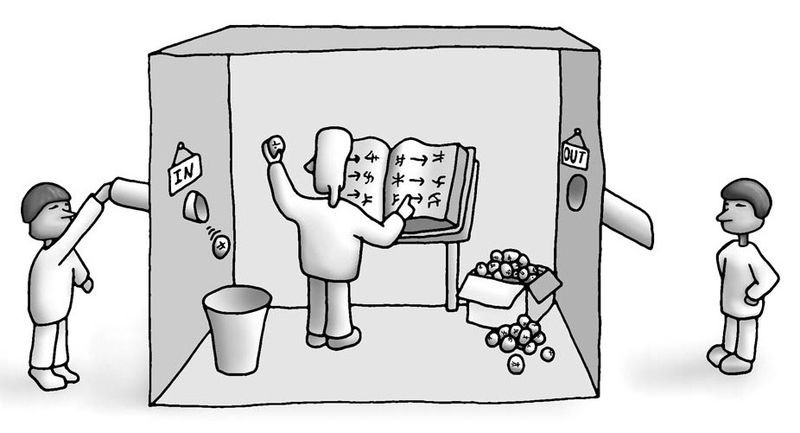 Despite many people’s apocalyptic response to ChatGPT, a great deal of caution and skepticism is in order. Some of it is philosophical, some of it practical and social. Let me begin with the former.