The (Slow) Art of Wine: Part 2
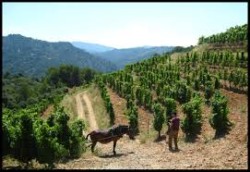
by Dwight Furrow Over the past several months I've been writing about creativity in the arts, a project motivated by skepticism among philosophers that winemaking could legitimately be considered an art form. (See Part 1, and here, here, and here) As Burham and Skilleas write on the decisions made in the vineyard and winery: These…
The Art of Wine: Part 1
by Dwight Furrow Among the most striking developments in the art world in the past 150 years is the proliferation of objects that count as works of art. The term “art” is no longer appropriately applied only to paintings, sculpture, symphonic music, literature or theatre but includes architecture, photographs, film and television, found objects, assorted…
Creative Receptivity
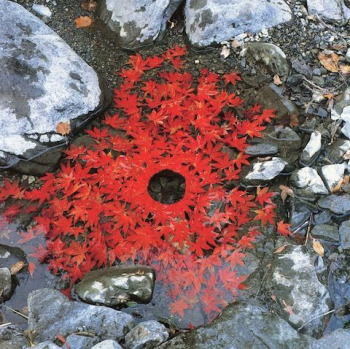
by Dwight Furrow Goldsworthy, Maple Leaves Arrangement There is an ingrained set of assumptions and attitudes about creativity in the arts that harms our understanding of art and ultimately human existence. That is the idea of the artist as a relatively unconstrained maker, a fashioner ex nihilo who brings something new into being solely through…
Creativity and Art
by Dwight Furrow Philosophical definitions of art are not only controversial but tend to be unhelpful in understanding the nature of art. While trying to accommodate new, sometimes radically unfamiliar, developments in the art world, philosophical definitions typically do not explain why art is something about which we care, arguably something a definition should do.…
Wine and Nature’s Rift
by Dwight Furrow Most of the wine purchased in the U.S is an industrial product made by mega-companies that seek to eliminate the uncertainties of nature in pursuit of a reliable, inexpensive, standardized commodity. But most of the wineries in the U.S. are small-to-mid-sized, artisan producers who lack both the technology and the inclination to…
Food, Art and Emotion: The Art Menu at Topolobampo
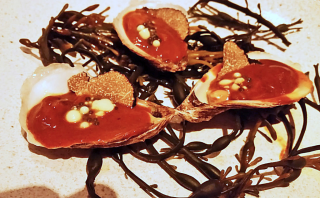
by Dwight Furrow The question of whether food preparation can be a fine art turns on two issues: Does food have the rich assortment of meanings typical of fine art? and Does food express emotion in the same sense that music or painting does? As I argued in American Foodie, both these questions depend on…
Wine and Epiphany
by Dwight Furrow Almost everyone connected to the world of wine has a story about their “aha” experience, the precise moment when they discovered there was something extraordinary about wine. For some that moment is a sudden, unexpected wave of emotion that overcomes them as they drink a wine that seems utterly superior to anything…
The Aesthetic Value of Simplicity
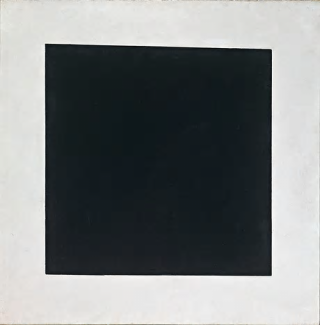
by Dwight Furrow Black Square, Malevich 1923 However, traditional Western aesthetics apparently demurs on this point since it enshrines complexity as a fundamental aesthetic value. Works of art are considered great if they repay our continued attention. Each new contact with them reveals something new, and this information density and the way it is organized…
Wine Quality: Distinguishing the Fine from the Ordinary
by Dwight Furrow We who are absorbed in the philosophy of wine are usually preoccupied by questions about objectivity, meaning, the nature of taste, aesthetic properties, and other exotica that surround this mysterious beverage. But wine considered as an aesthetic object can never be wholly severed from the commercial aspects of wine, and no philosophy…
Art and Artification: The Case of Gastronomy
by Dwight Furrow In grasping the role of art in contemporary life, one noteworthy theme is the process of artification. “Artification” occurs when something not traditionally regarded as art is transformed into art or at least something art-like. As far as I know, the term was first used in a Finnish publication by Levanto, Naukkarinen,…
Camus and the Aesthetics of Stone
by Dwight Furrow I recently finished reading Hemingway's A Farewell to Arms on the same day in which the utter hopelessness of our political situation became obvious, as the “beacon of liberty” accelerates its descent into fascism. The final passages of the book didn't help my mood much. In Hemingway's masterpiece, the drudgery and pointlessness…
Eating: The Not So Simple Pleasure
by Dwight Furrow Plunging into a bowl of chili differs from a dog's dinner only by degrees. Slobbering, slurping, and gnashing, the dense but yielding meat mingles with the earthiness of dried peppers. The gathering heat pleads to be chased with a swallow of cold, bitter beer that cuts the tension with a flood of…
Why Americans are Fascinated by Food
by Dwight Furrow For much of the 20th Century, the U.S. was a culinary backwater. Outside some immigrant enclaves where old world traditions were preserved, Americans thought of food as nutrition and fuel. Food was to be cheap, nutritious (according to the standards of the day) and above all convenient; the pleasures of food if…
Wine, Love and Spirituality
Mutant Nature
by Dwight Furrow Nature is not disappearing; it's just hiding in your salad bowl. Throughout most of human history human beings were utterly dependent on nature and everything about human life was determined by it. Adapt or die was the imperative that governed all life and so nature seemed infinite and without measure, a fact…
Wine Tasting and Objectivity
by Dwight Furrow The vexed question of wine tasting and objectivity popped up last week on the Internet when wine writer Jamie Goode interviewed philosopher Barry Smith on the topic. Smith, co-director of CenSes – Center for the Study of the Senses at University of London's Institute of Philosophy, works on flavor and taste perception…
Love and Sensibility
by Dwight Furrow In matters of love we have a Euthyphro problem (so-called because an early version of the problem is raised by Plato in his dialogue Euthyphro). Do I love my wife because I think she's beautiful or do I think she's beautiful because I love her? Replace beauty with any other virtue and…
Wine and the Metaphysics of Time
by Dwight Furrow Wine is useless. It bakes no bread, does no work, and solves no problem. The alcohol loosens tongues and serves as social lubricant, but wine is an inefficient delivery system for alcohol—there are faster, cheaper ways of getting drunk. No one needs wine. Wine does nothing but give pleasure. Love of wine…
In Defense of Eating Meat
by Dwight Furrow There are many sound arguments for drastically cutting back on our consumption of meat—excessive meat consumption wastes resources, contributes to climate change, and has negative consequences for health. But there is no sound argument based on the rights of animals for avoiding meat entirely. Last month, Grist's food writer Nathanael Johnson published…