
by Barry Goldman

The New York Times had a piece recently about a clever hustle called station flipping. It involves Citi Bikes, the blue rental bikes you see all over New York City. It seems the natural movement of people and bikes around the city results in periodic imbalances. Sometimes there are too many bikes in a docking station, other times there are too few. So Lyft, the company that owns Citi Bike, implemented a program that rewarded people for moving bikes from one station to another to correct those imbalances. The miracle of modern information technology enabled the company to track the location of its bikes with precision and to tweak the reward structure in real time. The system awarded points, and the points could be redeemed for cash. Moving a bike from a full docking station to an empty one could earn a “Bike Angel” up to $4.80.
People respond to incentives. They also, in every system everywhere, “work the points.” As a direct and inevitable result, people figured out how to game the Bike Angel system. They realized they didn’t have to wait for the natural movement of bikes and people to create shortages and surpluses, they could manufacture them.
The algorithm updated every 15 minutes. Some docking stations are only a block apart. That means a group of aerobically fit Angels can empty one docking station and fill another by riding bikes to the empty station and running back to the full station until the conditions are reversed. If they can do this before the system updates, they can earn the maximum for each ride. Then, when the full station is empty and the empty station is full, they can reverse the process and do it again. Before too long some enterprising Bike Angels were earning up to $6,000 a month.
The company, predictably, was not amused. It says station flipping distorts the market and games the system. That’s pretty rich coming from Lyft, since its whole business model depends on gaming the system and distorting the market by fudging the distinction between employees and independent contractors. But that’s a different article. In this article I want to point out how station flipping maps the essential features of our financial sector. Read more »
 In her provocative, genre-defying book,
 There is a
  Drug overdose deaths have more than doubled in America in the past 10 years, mainly due to the appearance of Fentanyl and other synthetic opioids. These drugs combine incredible ease of manufacture with potency in tiny amounts and dangerousness (the tiniest miscalculation in dosage makes them deadly).


 Death has stalked me of late, claiming those whom I was once close to, or who remained closest to those who are closest to me.
 Sometimes, when you least expect to, you learn something about your country and the toll it has imposed on certain of its citizens. In ancient times these learnings weren’t so serendipitous. During WWII, for example, you would have known folks on your block who served and came back. And some who didn’t come back.


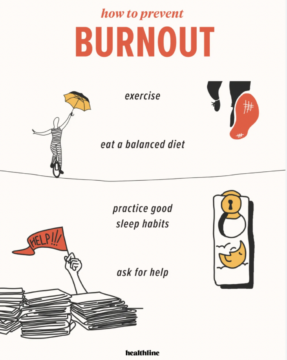 I started reading about burnout when I walked away from teaching earlier than expected. Suddenly, I couldn’t bring myself to open that door after over thirty years of bounding to work. A series of events wiped away any sense of agency, fairness, or shared values. Their wellness lunch-and-learns didn’t help me, and I soon discovered I’m not alone.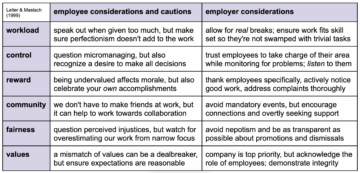

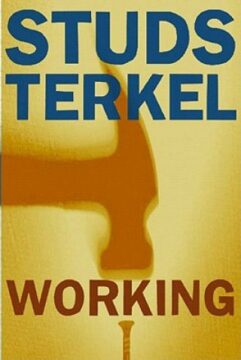 Eugene Russell, a piano tuner interviewed by
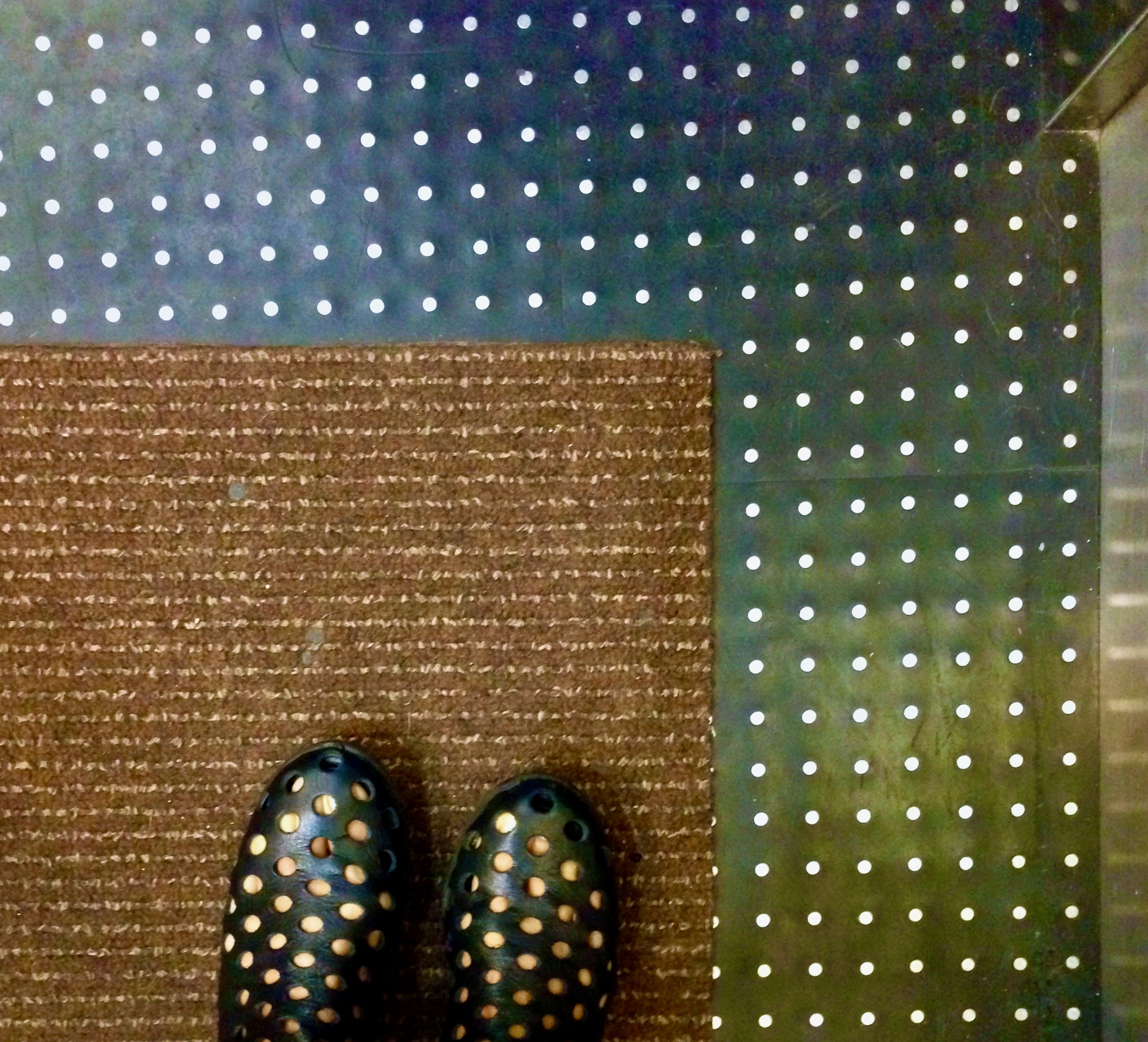 Sughra Raza. Untitled. June, 2014.