
by Barbara Fischkin
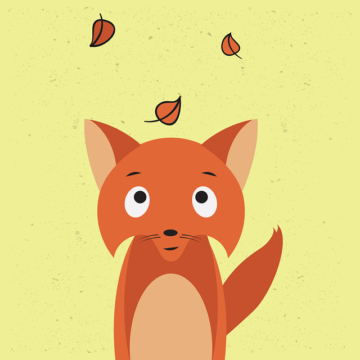 I once wrote a political column for Fox News. My point of view was liberal and at times decidedly leftist.
This is true-true and not fake news.
The notorious Fox was then a media baby, albeit an enormous one. At its American launch in 1997, it already had 17 million cable subscribers. Millions of Americans looking for a conservative alternative to CNN and company.
Two years later I was hired, as a freelancer, to write an opinion column for a nascent website: Fox News Online. Back then, the television screen ruled. The website was an experiment, to see if the Internet was real. I was told I could opine as I wished, as long as the facts backed me up and I was not libelous or incoherent. A cartoonist was assigned to illustrate my words.
When I was first approached about writing this, I thought it was a practical joke. A dear friend and former newspaper colleague showed up one morning in our family backyard and told me to stop calling her every morning with my take on national and world events. “Write it,” she said. “I will pay you. Two hundred bucks a column once a week. Eight hundred a month.” Not a lot for Fox News, even then. But I needed the money. Needing money is one of my hobbies. Read more »
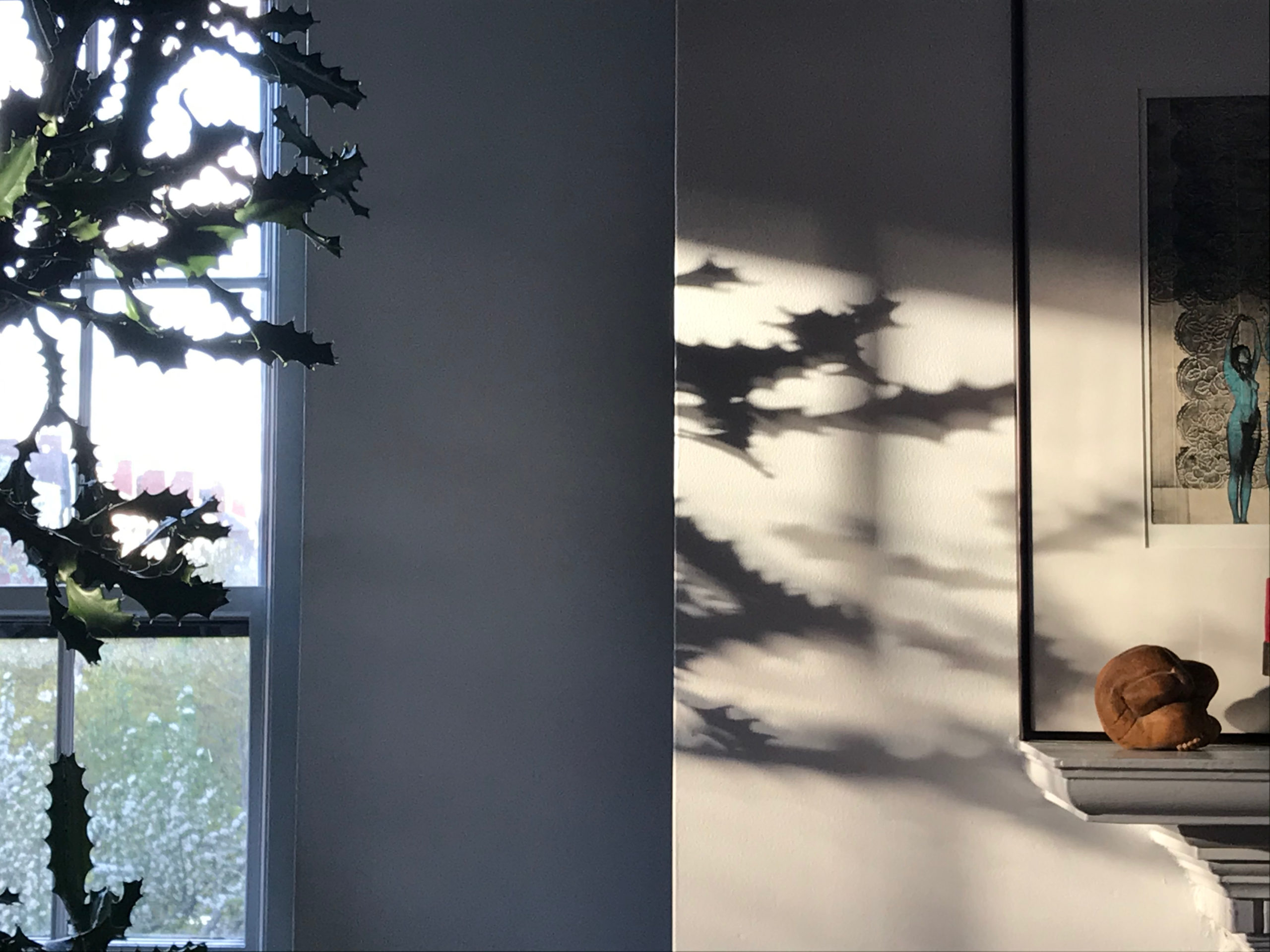 Sughra Raza. Pale Sunday Morning, April 2021.
 bankruptcy were billing at $2,165 an hour ($595 for paralegals). Since then we learned:
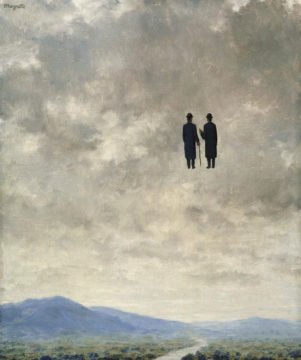 Lightness comes in three F’s: finesse, flippancy and fantasy. The French are famous for the first. See how the delicate, sweet singer songwriter Alain Souchon transforms the heavyweight aphorism of André Malraux – the real-life French Indiana Jones who ended his career as minister for culture – from the desperate heroism of ‘I learnt that a life is worth nothing, but nothing is more valuable than life’ into the ethereal, refined song that even if you do not understand the words, you cannot help but feel the
 In 1970, Pier Paolo Passolini directed a film titled Notes Towards an African Orestes, which presents footage about his attempt to make a movie based on the Oresteia set in Africa. The movie was never made. In the same way, this article will be about a series of essays, or perhaps a book, that may never be written.
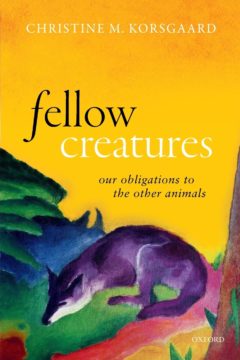 Without really looking into them, I have always felt sceptical of Kantian approaches to animal ethics. I never really trust them to play well with creatures who are different from us. Only recently, I cared to pick up a book to see what such an approach would actually look like in practice: Christine Korsgaard’s Fellow creatures (2018). An exciting and challenging reading experience, that not only made a very good case for Kantianism (of course), but also forced me to come to terms with some rather strange implications of my own views.
 The force of recent attempts to increase minority visibility in the performing arts, principally in the US, by matching the identity of the performer with that of the role—in effect a form of affirmative action—has been diminished by a series of tabloid “scandals”: the casting of Jared Leto as a trans woman in Dallas Buyers Club
 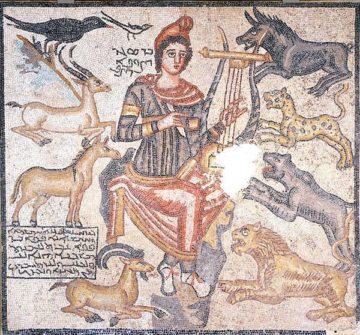 1.
1.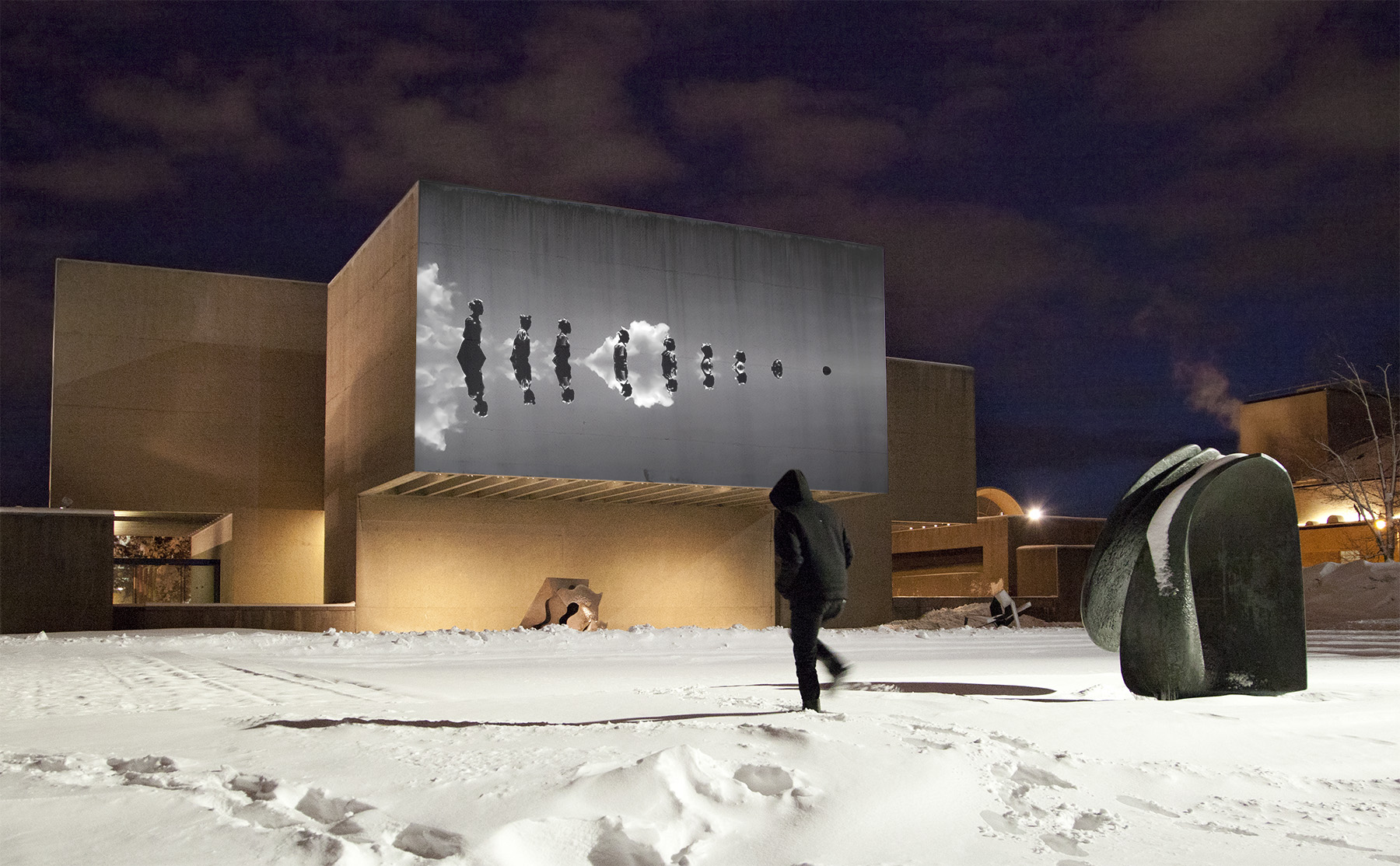 Jeannette Ehlers. Black Bullets, 2012.
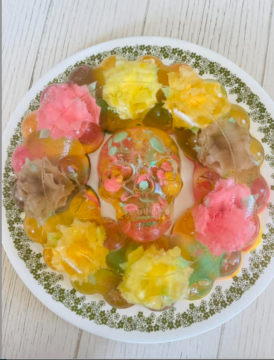 How plastic – really plastic – gelatin presents as a food. Not only in the “easily molded” sense of a pliable art material but also its transparency. Walnuts and celery, the “nuts and bolts” of gelatin desserts, defy gravity, floating amidst the cheerful jewel-like plastic-looking splendor of the 1950’s, when gelatin was the king of desserts. Gelatin’s mid-century elegance belies its orgiastic sweetness, especially the lime flavor, which is downright otherworldly. If you stir it up hot, half diluted, gelatin lives up to its derelict reputation with regard to the sickbed and sugar, being thick and warm, twice as intoxicatingly sweet, and surely terrible for an invalid’s teeth, if not metabolism. In my novel, Dog on Fire, I hypothesize that lime-flavored gelatin is the perfect murder weapon.
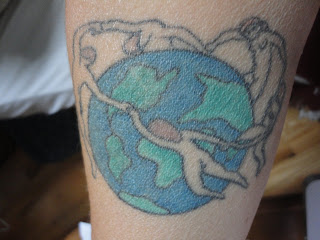 Barring that reality, and knowing this would be an ongoing, lifelong issue, I got a tattoo on my Visa-paying forearm to remind myself that my actions affect the entire world. I borrowed Matisse’s