
by Angela Starita
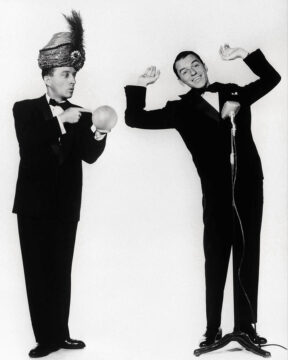 When my mother was a teenager in the early 1940s, a NY-area radio station ran a weekly contest, asking listeners to vote for their favorite singer among two: Crosby or Sinatra? How people made this preference known remains unclear to me: did you need a phone in your house to make a call to the station or was sending a postcard enough? Whatever the method, the winner would be announced each Sunday afternoon. While Sinatra often took the prize, Crosby occasionally outpaced the Jersey boy who grew up two towns south of Cliffside Park, my mother’s hometown. On those occasions, she told me, she’d stamp around my grandparents’ railroad apartment, enraged at the abject stupidity of her fellow listeners. When she’d tell this story, my mother would marvel at her parents’ forbearance, the way they’d accept these outbursts without comment, though they were highly disciplined, gloomy people for whom the idea of having an “idol,” or caring about his fate on a weekly radio show was surely alien. I like this insight into them, a softer side that I myself had only witnessed a few times.
What I like even more about the story is what it says about my mother’s taste—excellent—and that her knowledge and passion for the American songbook went way back. I suppose you could say that last statement was true for almost anyone young in those years, but I doubt there were many casual listeners who, years later, could pick out the pop standard undergirding the inventive tangents of Cecil Taylor or Milt Jackson recordings. But none of this was an identity for my mother or something she talked about or was even aware of as somehow unusual: she liked the music, knew it deeply, and there was no more to it. Her tastes were definite and clean, like the beautiful seams of well-made clothing that don’t depend on distracting accessories or patterns. She dismissed the likes of Judy Garland and Sammy Davis Jr.—too needy—and championed Johnny Mathis, Jo Stafford, and Sinatra for their understated elegance. Despite her own performance as an irate teenager, she was her parents’ daughter in prizing reserve on stage. No big gestures or frenetic moves across the stage. Read more »
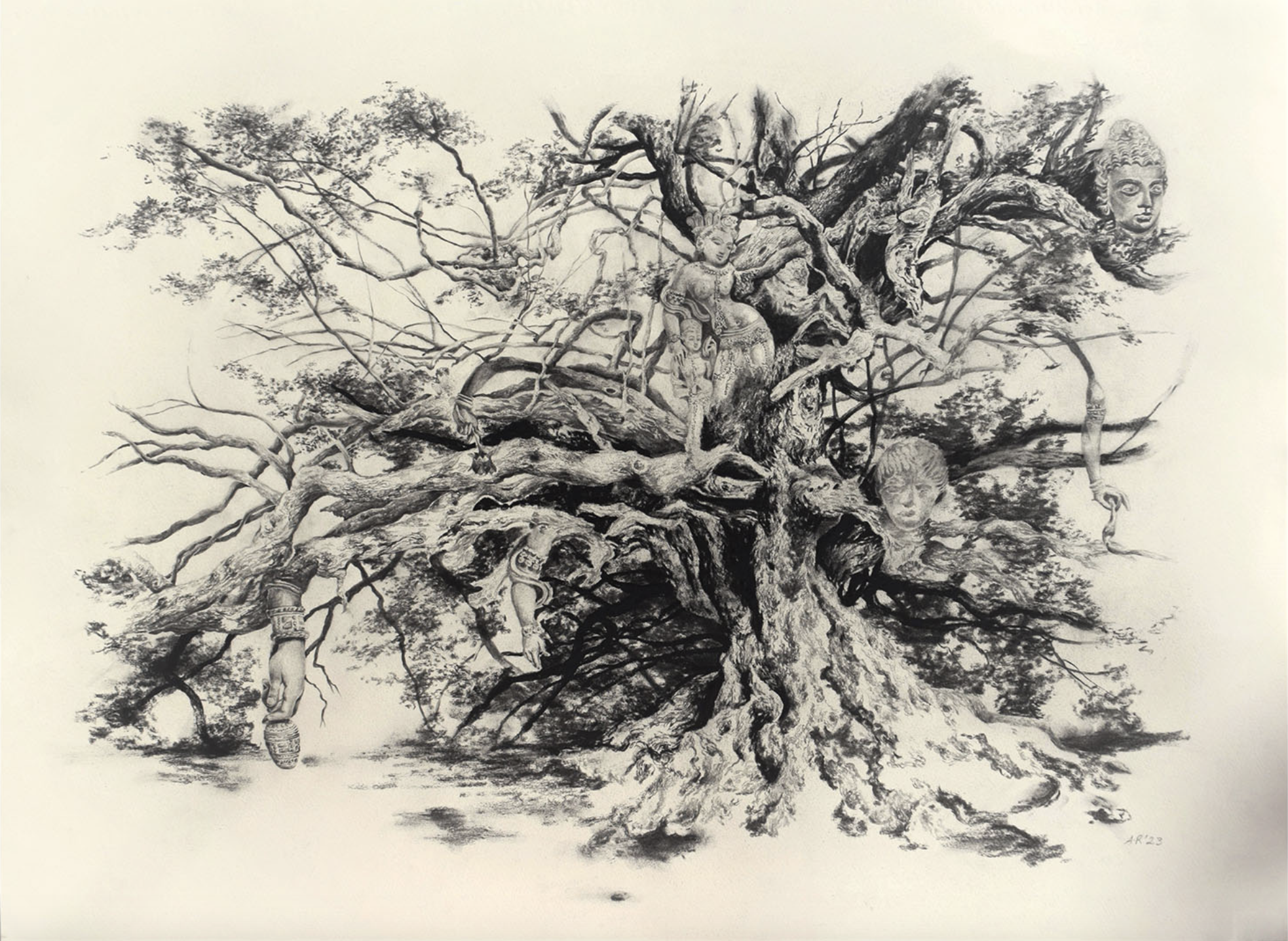 Anushka Rostomji. Waq Waq Tree, 2023, of the Flesh and Foliage Series.
 Jersey City is a medium-size city on the West bank of the Hudson River across from Lower Manhattan. Up through the middle of the 20th century it was a port and a railroad hub but that disappeared when containerized freighter became too deep to travel that far up New York Bay. Without any freighters the railroads were no longer needed. Light industry disappeared as well. Jersey City became back-offices and bedrooms to Manhattan-based business.
 We have slid almost imperceptibly and, to be honest, gratefully, into a world that offers to think, plan, and decide on our behalf. Calendars propose our meetings; feeds anticipate our moods; large language models can summarize our desires before we’ve fully articulated them. Agency is the human capacity to initiate, to be the author of one’s actions rather than their stenographer. The age of AI is forcing us to answer a peculiar question: what forms of life still require us to begin something, rather than merely to confirm it? The best answer I’ve been able to come up with is that we preserve agency by carving out zones of what the philosopher



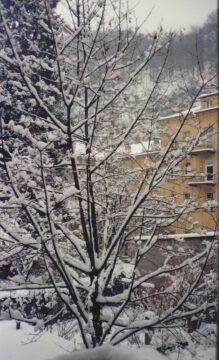
 When promoting her new book in September, Supreme Court Justice Amy Coney Barrett stated in an interview as quoted in Politico : “I think the Constitution is alive and well.” She went on – “I don’t know what a constitutional crisis would look like. I think that our country remains committed to the rule of law. I think we have functioning courts.”
 During covid, amid the maelstrom that was American healthcare, a miracle happened. State medical boards suspended their cross-state licensure restrictions.
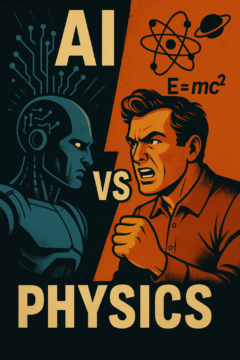 There has long been a temptation in science to imagine one system that can explain everything. For a while, that dream belonged to physics, whose practitioners, armed with a handful of equations, could describe the orbits of planets and the spin of electrons. In recent years, the torch has been seized by artificial intelligence. With enough data, we are told, the machine will learn the world. If this sounds like a passing of the crown, it has also become, in a curious way, a rivalry. Like the cinematic conflict between vampires and werewolves in the Underworld franchise, AI and physics have been cast as two immortal powers fighting for dominion over knowledge. AI enthusiasts claim that the laws of nature will simply fall out of sufficiently large data sets. Physicists counter that data without principle is merely glorified curve-fitting.
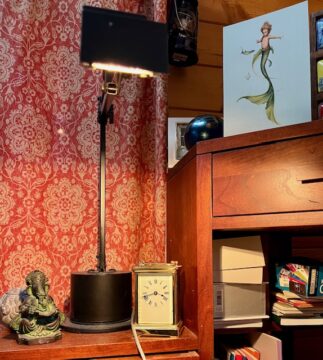 The smallest spider I’ve ever seen is slowly descending from the little metal lampshade above my computer. She’s so tiny, a millimeter wide at most, I have to look twice to make sure she isn’t just a speck of dust. The only reason I can be certain that she’s not is that she’s dropping straight down instead of floating at random.
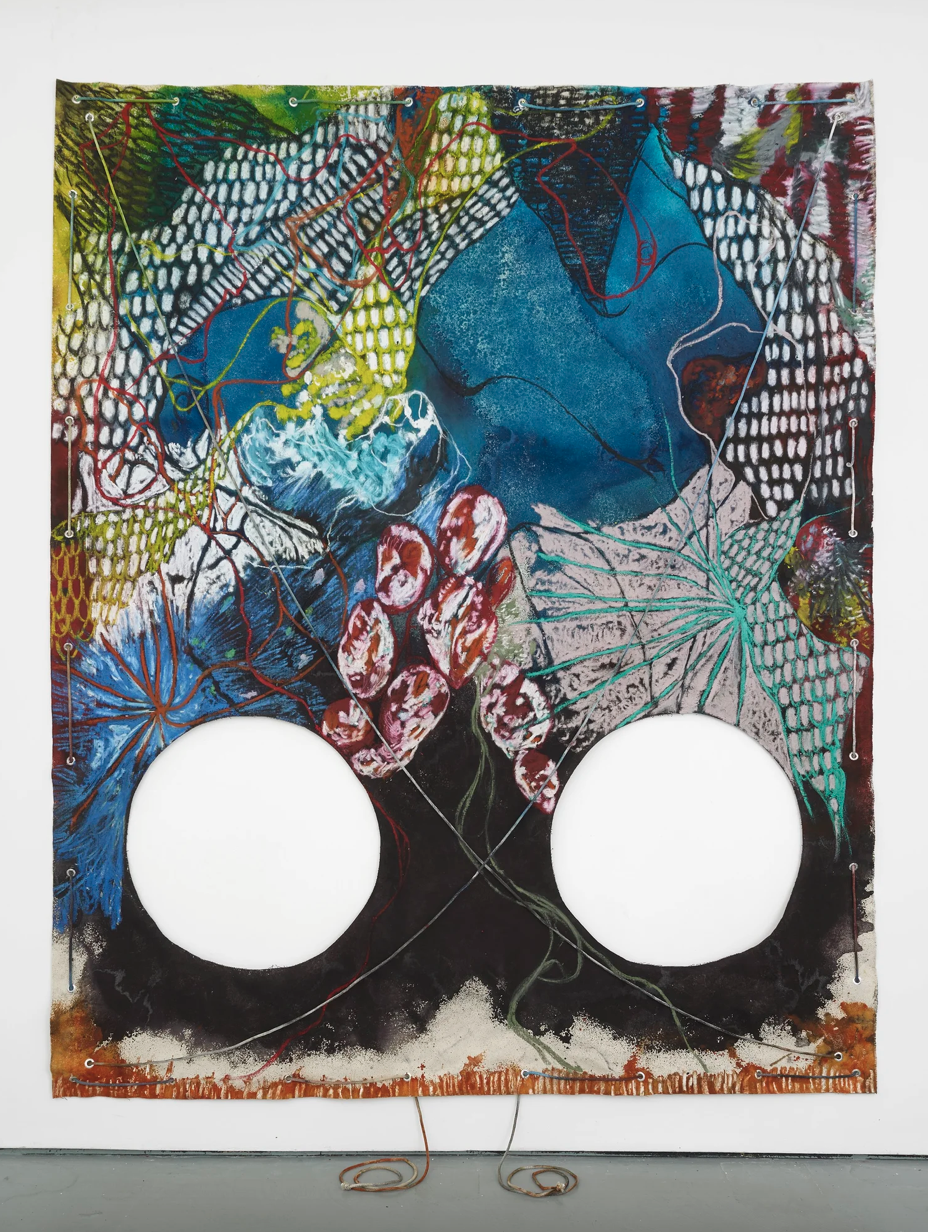 Naotaka Hiro. Untitled (Tide), 2024.
 In a previous essay,