by Emrys Westacott
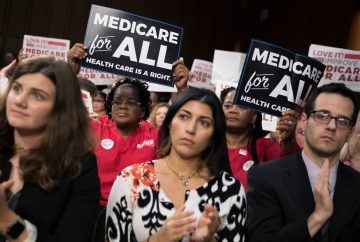
In early May the US House of Representatives passed (by one vote) a health care plan that is supposed to replace Obamacare. Supporters of the plan claim that it will lead to better coverage at lower cost for everyone. 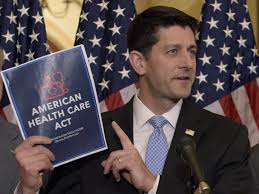 In the words of Paul Ryan, it will be "a better system that embraces competition and choice and actually lowers costs for patients and taxpayers." Naturally, not everyone agrees. Many fear that the plan will mean higher premiums and out-of-pocket expenses to people who are older, have pre-existing conditions, or are currently protected by Medicaid. This is why there is little chance that the plan will be approved by the senate in its present form.
At a town meeting I attended in Hinsdale, NY, Republican Congressman Tom Reed spent an hour trying to reassure skeptical constituents that these fears were unjustified. His basic argument, echoing that of House Speaker Paul Ryan, was that a market-based system which encourages competition among insurance companies will drive down costs and improve coverage.
Here, then, is the central conflict at the heart of the debate over the Republican health care plan. It is a matter of faith versus fear. On the one hand, there is the faith that competitive market forces will deliver the goods we want better than any other system. On the other hand there is the fear that the market, especially when freed from government constraints (such as the one prohibiting discrimination against people with preexisting conditions), will leave some people out in the cold.
Free markets can be very efficient economic mechanisms: just look at the astonishing array of cheap consumer goods now available. But they are also heartless, perfectly indifferent to the outcomes they produce and the sufferings of those they fail to serve. Government programs can be bureaucratic and inefficient; but they are (ideally) motivated by a concern for people's welfare. Promoting well-being and alleviating suffering is their entire purpose.
Fundamental conflicts in outlook are hard to resolve. But this clash between faith in and fear of the free market in health insurance has a fairly simple resolution. Its common name is the "public option."
Read more »

 During covid, amid the maelstrom that was American healthcare, a miracle happened. State medical boards suspended their cross-state licensure restrictions.