
by Claire Chambers
 Introduction
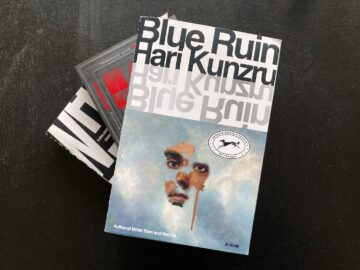
Hari Kunzru has recently completed the third novel in his three colours trilogy about race, class, and the arts. White Tears concerns music and was published in 2017. Red Pill deals with literature and came out in 2020. And Blue Ruin zeroes in on fine art, having just been released last month, in May 2024. All of the novels examine racism and evoke various upheavals in the present moment. The titles of this tripartite sequence of novels figure forth the American or British flag, signifying the fractured state of these nations. Paul Gilroy rightly claimed in the title of his 1987 book that ‘There Ain’t No Black in the Union Jack’, and Kunzru’s storyworld also highlights the strife amid the stars and stripes.
In this essay, I am interested in how a sensory studies perspective can enrich discussions of Kunzru’s trilogy. I discuss sound (and, to a lesser extent, touch or its absence) and a need to listen to other voices. The key issue here is whether, and to what extent, the tolerant should be tolerant of the intolerant. In White Tears, Red Pill, and Blue Ruin, Kunzru makes a conscious effort to listen to the repugnant politics of white supremacists, alt-right provocateurs, and QAnon or ‘plandemic’ conspiracy theorists. Trying to understand their views without either endorsing or criticizing them (while subtly forming judgements), Kunzru trains his ear on loathsome conversations and does some radical listening. Read more »
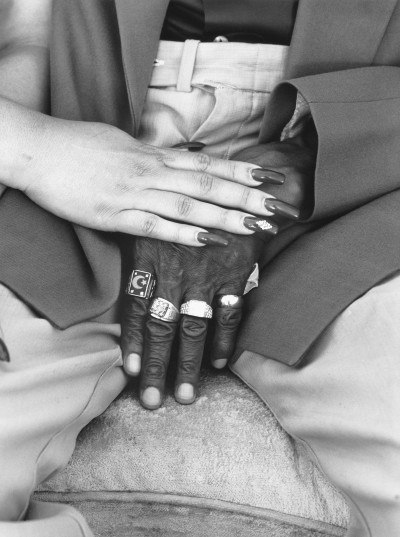 LaToya Ruby Frazier. Mom and Mr.Yerby’s hands, 2005.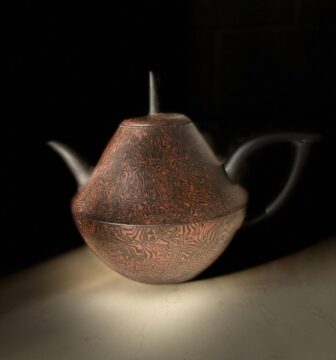
 The turn of the 21st century saw a burst of atheistic declarations and critiques in the United States and Great Britain, led by a small group of celebrity atheists including Philosopher Daniel Dennett, Biologist Richard Dawkins, and journalist Christopher Hitchens. I have always found this New Atheism, as the movement is often called, to be a mixed bag. It was long overdue, and many good (if obvious) points were made. However, there was also a fair bit of navel-gazing and even stupidity. And among some of the celebrity leaders, I believe, there was also a profound misunderstanding of religion, how it functions, and even its basic purposes.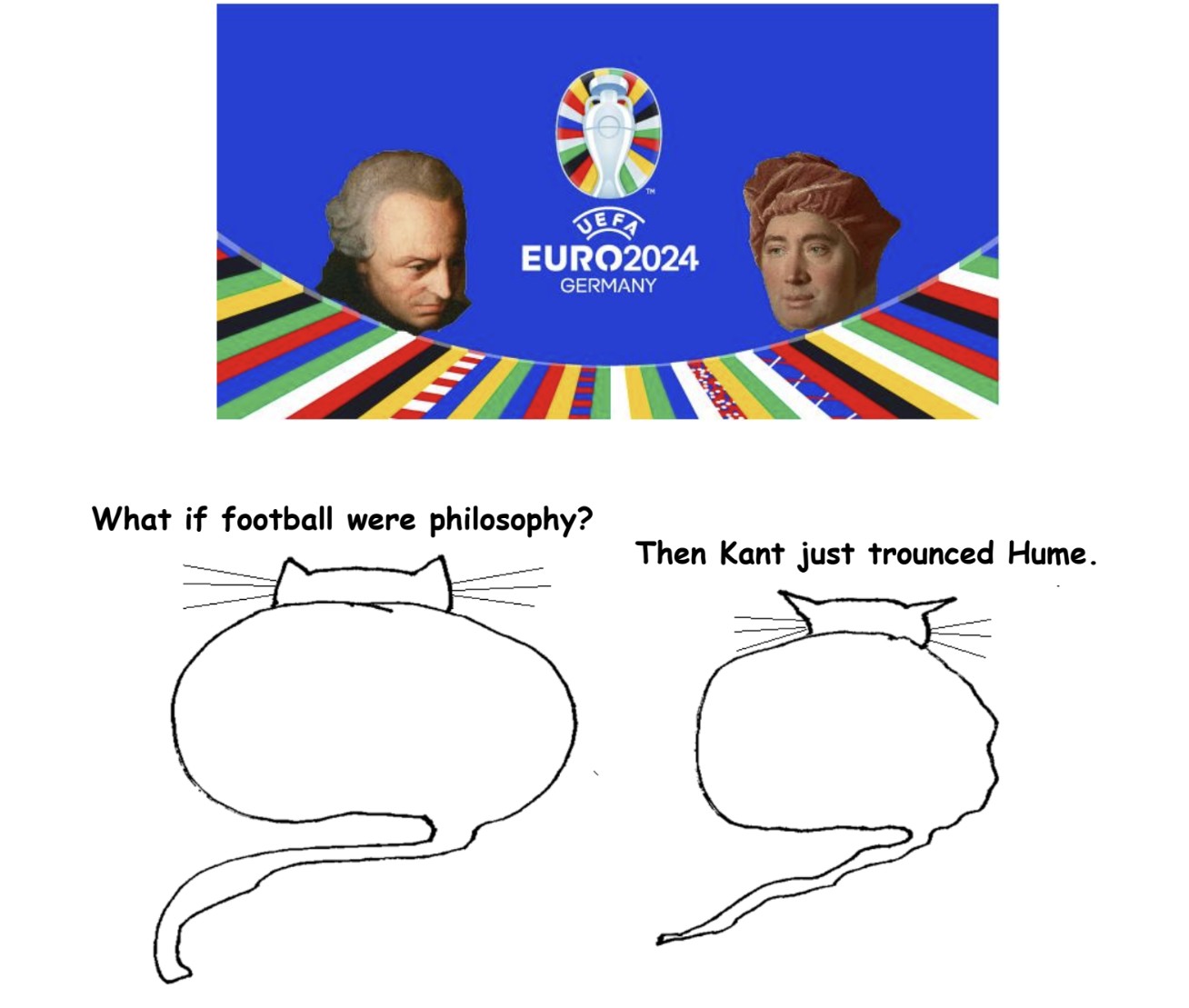
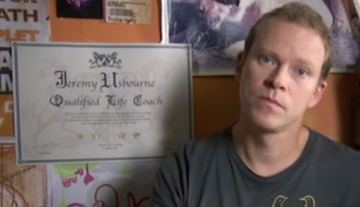




 According to the anthropologist James Bielo
 This is the first in a series of three articles on literature consider as affective technology, affective because it can transform how we feel, technology because it is an art (tekhnē) and, as such, has a logos. In this first article I present the problem, followed by some informal examples, a poem by Coleridge, a passage from Tom Sawyer that echoes passages from my childhood, and some informal comments about underlying mechanism. In the second article I’ll take a close look at a famous Shakespeare sonnet (129) in terms of a model of the reticular activity system first advanced by Warren McCulloch. I’ll take up the problem of coherence of oneself in the third article.
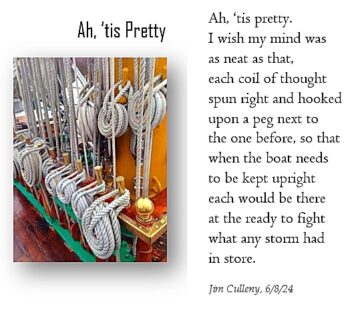
 Jaffer Kolb. Untitled, June, 2024.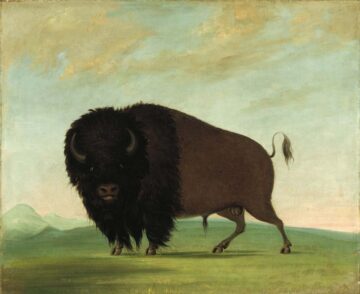

 One longstanding debate in aesthetics concerns the relative virtues of formalism vs. contextualism. This debate, which preoccupied art theorists in the 20th Century, now rages in the culinary world of the 21st Century. Roughly, the controversy is about whether a work of art is best appreciated by attending to its sensory properties and their organization or should we focus on its meaning and the social, historical, or psychological context of its production. The debate is similar in the world of cuisine. How best should we appreciate the food or beverages we consume? Should we focus solely on the flavors and aromas or does authenticity and social context matter?
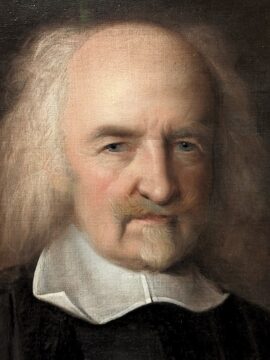 Historians often ask what led to Trump’s landslide victory back in 2024. All those guilty verdicts in the “PornHush” trial certainly helped — the final proof, for many, that the President was an innocent lamb set upon by crooks. And the November exit polls showed that millions of patriotic Americans found democracy a chore anyway, or were actively Fascism-curious, or simply got a buzz out of the fact that, being disempowered in every other meaningful way, they could at least step up and play a part in destroying their own children’s future. But surely the decisive factor was Trump’s inspired choice of running mate — philosopher and controversialist Thomas Hobbes.