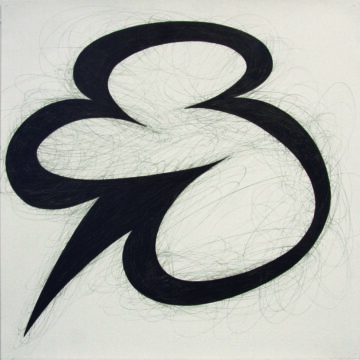
by Nils Peterson
I used to tell my creative writing classes the artistic form that came the closest to depicting the lives we lead was the soap opera – because, as in the soap opera, we all have many stories going on at the same time. Some are short, some are like lyrics in tone and length, some go on and on, drop into the background, and are revived later when some necessity draws them forth – Uncle Ned goes off to explore the Amazon Jungle and comes back three years later just in time to make the wedding legal. This story of mine is long in years, short in hours.
Small Kentucky college. 25th Reunion. I gave a reading of poems and stories about love. Peterson Pontificates on Love trumpeted the college paper. Many old friends came and came up on to the stage afterwards. So, up comes this beautiful woman, catches my eye, says “Hi.” I say, “Hi.” She says, “Hi . Do you remember me?” and in the silence – “Do you remember me? I’m Patsy.” Indeed it was. I said “Hi,” kissed her on the cheek, turned to cut off my other conversations so we could really talk, turn back, and she’s gone. “Patsy,” I holler into the cavernous auditorium, “Patsy,” but she really is gone. To myself I say, “Peterson, you’ve done it again.”
I got her phone number from the alumni office and called and called, even at 5:30 in the morning, but she was never in. I finally did connect and she explained that she was off fox hunting the morning I called so early. We made a date for that night to meet for dinner and went to a restaurant where her son was a waiter (she had had two sons from a marriage that didn’t last). He raised an eyebrow as he shook my hand. We went back to her place and talked for a long time. Here’s from a poem I wrote about the experience,
What the young offer each other
is the marvelous future, all that can happen,
all that will be. Older, suspicious of promises,
we learn to offer what we have lived.
It is a smaller, harder gift, yet beautiful like fact.
We wrote back and forth and then lost touch again, but 10 years later I went back to my 35th reunion and we reconnected, the talk as easy and as good as it had been the decade before. It was convenient for me to spend the night at her house, but I had to get up early. She was going fox hunting again. So, October dark, five in the morning, she in her hunting outfit and a dungareed helper got her horse into its trailer and set off. I followed in my rental car. Read more »
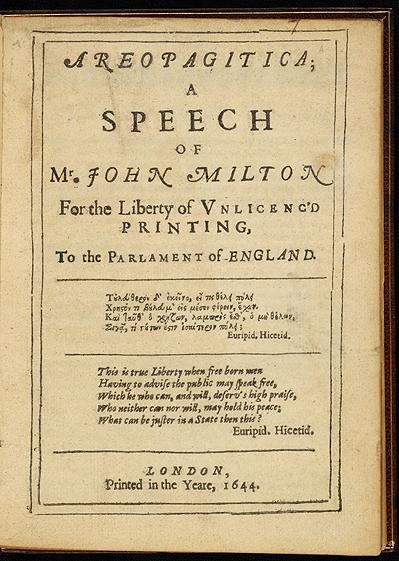 How do we regulate a revolutionary new technology with great potential for harm and good? A 380-year-old polemic provides guidance.
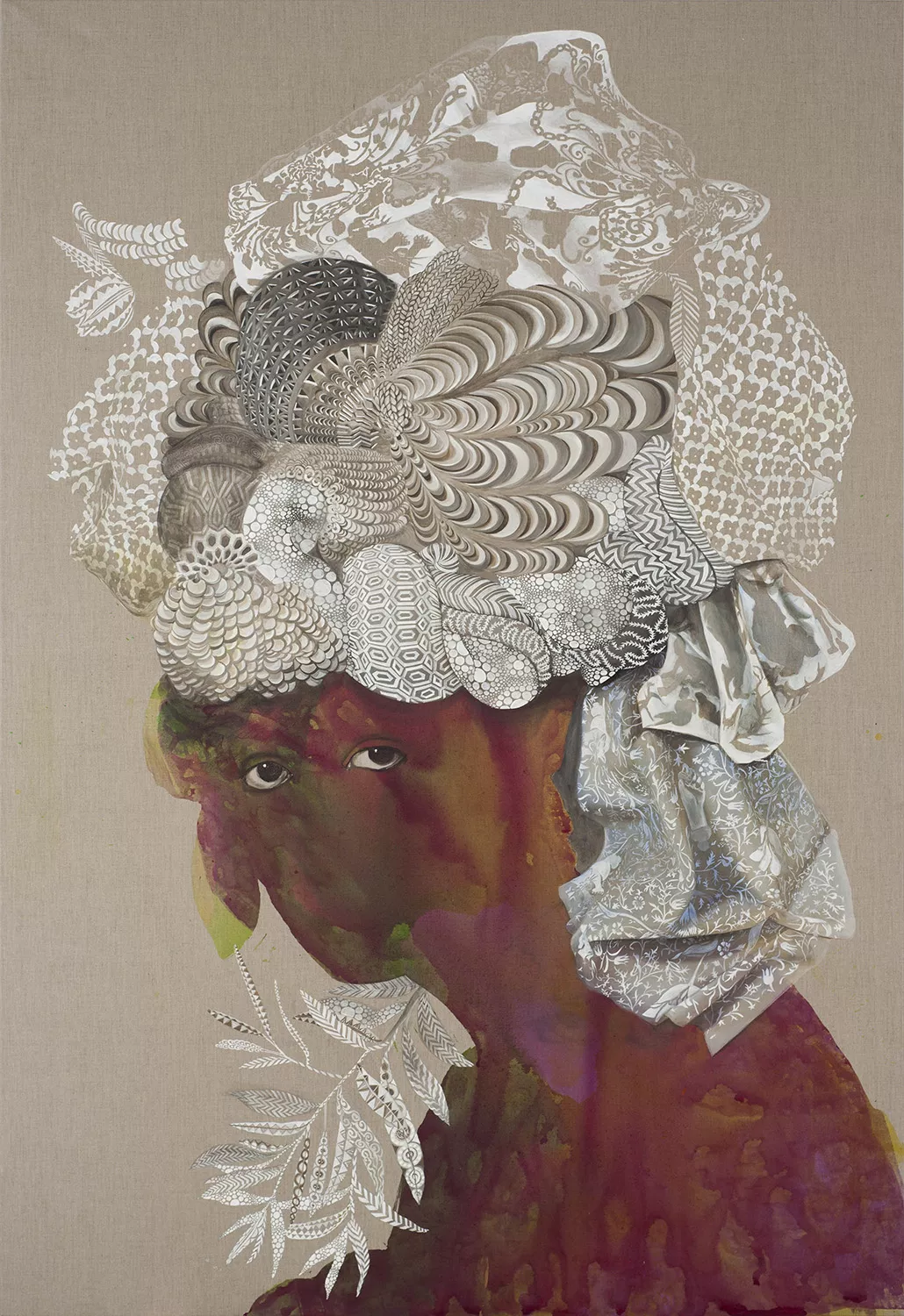 Firelei Báez. Sans-Souci, (This threshold between a dematerialized and a historicized body), 2015.

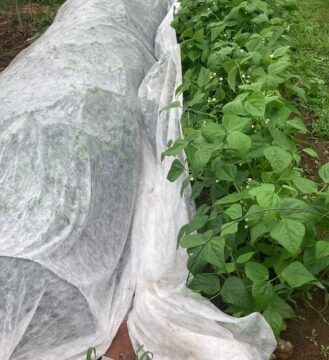 I take the row covers off of two forty-foot rows of beans (three varieties) as the plants have become so big so fast in the ungodly heat they are pressing against the cloth. Afterwards, in the early evening, I let the chickens out of their sweltering little house to run free for a couple of hours. I will watch them to see if they bother the plants. The birds might peck at and scratch up the bean plants, but these plants are so large the birds should be indifferent to them. The experiment is a success: The plants bask in full sunlight while the birds rummage for grubs around them. I decide to leave the row covers off for now and will recover them at night to deter the deer. One’s smallness is manifested in gardening, as the gardener is a single organism set against myriads. It is wise to tend to one’s insignificance during these times. Come what may, no one will care much about those who stay at home husbanding rows of Maxibel haricots.

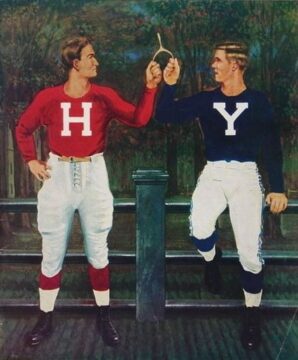 This week marks one year since Affirmative Action was repealed by the Supreme Court. The landmark ruling was a watershed moment in how we think of race and social mobility in the United States. But for high schoolers, the crux of the case lies somewhere else entirely.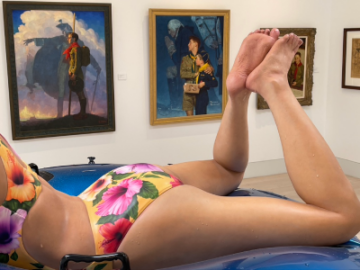
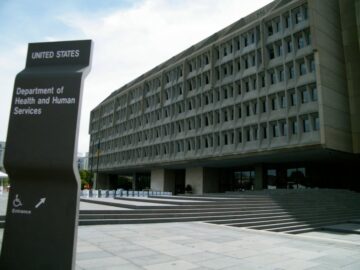 Arguably the greatest global health policy failure has been the US Department of Health and Human Services’ (HHS) refusal to promulgate any regulations to first mitigate and then eliminate the healthcare industry’s significant carbon footprint.
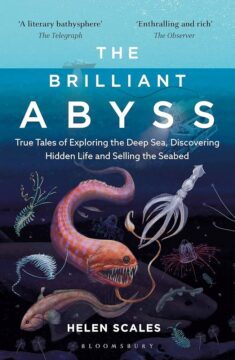 Marine biologist Helen Scales’ previous book The Brilliant Abyss: True Tales of Exploring the Deep Sea, Discovering Hidden Life and Selling the Seabed, brilliantly provided us with a glimpse of the wondrous life forms that inhabit the abyss, the deep sea. She also made known her profound concern for the future of ocean life posed by human activity. She now expands on those issues and concerns in her new book, What The Wild Seas Can Be: The Future of the World’s Seas. Scales provides us with a fascinating exposition of the pre-historic ocean and the devastating impact of the Anthropocene on ocean life over the last fifty years. Her main concern, however, is the future of the ocean and her new book makes a major contribution to people’s understanding of the repercussions of human activity on ocean life and the measures that need to be taken to protect and secure a better future for the ocean.