
by Ashutosh Jogalekar
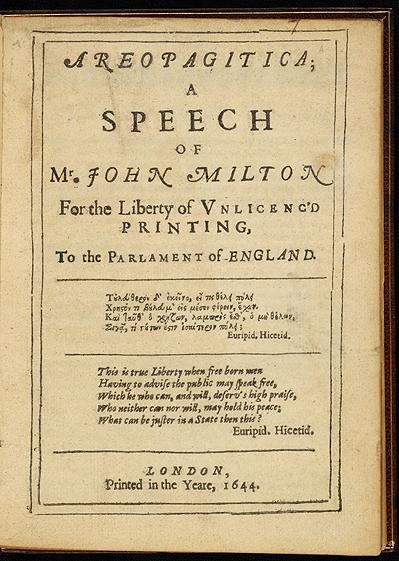 How do we regulate a revolutionary new technology with great potential for harm and good? A 380-year-old polemic provides guidance.
In 1644, John Milton sat down to give a speech to the English parliament arguing in favor of the unlicensed printing of books and against a proposed bill to restrict their contents. Published as “Areopagitica”, Milton’s speech became one of the most brilliant defenses of free expression.
Milton rightly recognized the great potential books had and the dangers of smothering that potential before they were published. He did not mince words:
“For books are not absolutely dead things, but …do preserve as in a vial the purest efficacy and extraction of that living intellect that bred them. I know they are as lively, and as vigorously productive, as those fabulous Dragon’s teeth; and being sown up and down, may chance to spring up armed men….Yet on the other hand unless wariness be used, as good almost kill a Man as kill a good Book; who kills a Man kills a reasonable creature, God’s Image; but he who destroys a good Book, kills reason itself, kills the Image of God, as it were in the eye. Many a man lives a burden to the Earth; but a good Book is the precious life-blood of a master-spirit, embalmed and treasured up on purpose to a life beyond life.”
Apart from stifling free expression, the fundamental problem of regulation as Milton presciently recognized is that the good effects of any technology cannot be cleanly separated from the bad effects; every technology is what we call dual-use. Referring back all the way to Genesis and original sin, Milton said:
“Good and evil we know in the field of this world grow up together almost inseparably; and the knowledge of good is so involved and interwoven with the knowledge of evil, and in so many cunning resemblances hardly to be discerned, that those confused seeds which were imposed upon Psyche as an incessant labour to cull out, and sort asunder, were not intermixed. It was from out the rind of one apple tasted, that the knowledge of good and evil, as two twins cleaving together, leaped forth into the world.”
In important ways, “Areopagitica” is a blueprint for controlling potentially destructive modern technologies. Freeman Dyson applied the argument to propose commonsense legislation in the field of recombinant DNA technology. And today, I think, the argument applies cogently to AI. Read more »
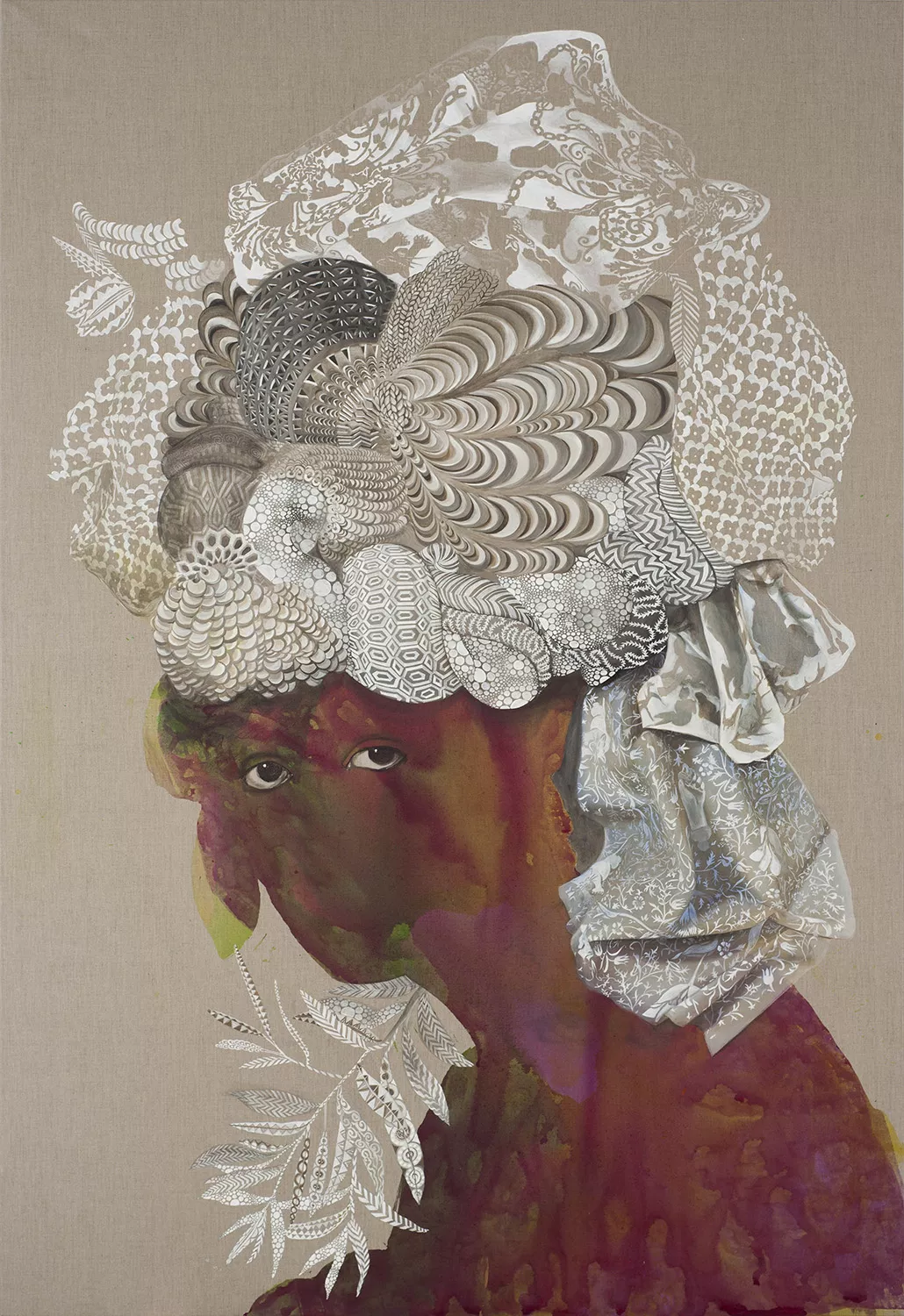 Firelei Báez. Sans-Souci, (This threshold between a dematerialized and a historicized body), 2015.

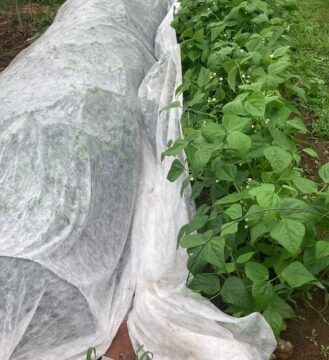 I take the row covers off of two forty-foot rows of beans (three varieties) as the plants have become so big so fast in the ungodly heat they are pressing against the cloth. Afterwards, in the early evening, I let the chickens out of their sweltering little house to run free for a couple of hours. I will watch them to see if they bother the plants. The birds might peck at and scratch up the bean plants, but these plants are so large the birds should be indifferent to them. The experiment is a success: The plants bask in full sunlight while the birds rummage for grubs around them. I decide to leave the row covers off for now and will recover them at night to deter the deer. One’s smallness is manifested in gardening, as the gardener is a single organism set against myriads. It is wise to tend to one’s insignificance during these times. Come what may, no one will care much about those who stay at home husbanding rows of Maxibel haricots.

 This week marks one year since Affirmative Action was repealed by the Supreme Court. The landmark ruling was a watershed moment in how we think of race and social mobility in the United States. But for high schoolers, the crux of the case lies somewhere else entirely.
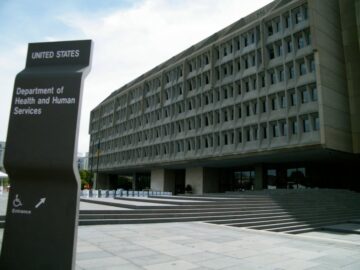 Arguably the greatest global health policy failure has been the US Department of Health and Human Services’ (HHS) refusal to promulgate any regulations to first mitigate and then eliminate the healthcare industry’s significant carbon footprint.
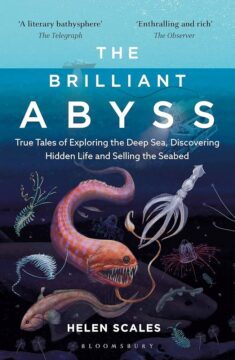 Marine biologist Helen Scales’ previous book The Brilliant Abyss: True Tales of Exploring the Deep Sea, Discovering Hidden Life and Selling the Seabed, brilliantly provided us with a glimpse of the wondrous life forms that inhabit the abyss, the deep sea. She also made known her profound concern for the future of ocean life posed by human activity. She now expands on those issues and concerns in her new book, What The Wild Seas Can Be: The Future of the World’s Seas. Scales provides us with a fascinating exposition of the pre-historic ocean and the devastating impact of the Anthropocene on ocean life over the last fifty years. Her main concern, however, is the future of the ocean and her new book makes a major contribution to people’s understanding of the repercussions of human activity on ocean life and the measures that need to be taken to protect and secure a better future for the ocean.

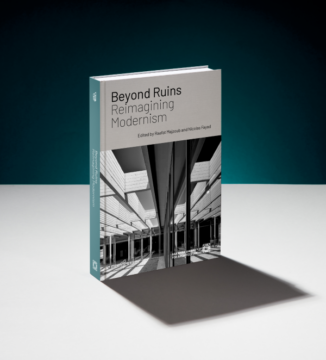 In this conversation—excerpted from the Aga Khan Award for Architecture’s upcoming volume, Beyond Ruins: Reimagining Modernism (ArchiTangle, 2024) set to be published this Fall, and focusing on the renovation of the Niemeyer Guest House by East Architecture Studio in Tripoli, Lebanon—
 Michael Wang. Holoflora, 2024