by Michael Liss
We are now on opposite sides of the moral universe. —Joseph Buckingham, journalist and Massachusetts State Senator, speaking of his once esteemed friend, Daniel Webster.
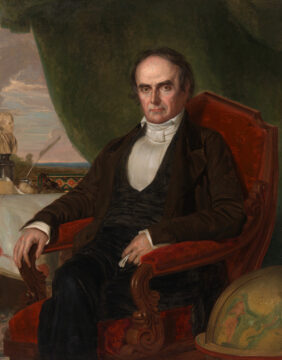
What a wonderful quote. Thirty years of amicable relations destroyed in the course of a three-hour speech. March 7, 1850. Senator Daniel Webster taking his leave of old friends and older ideals as he seeks the higher ground of political peacemaking.
Webster’s story is one of eight Senators’ featured in John F. Kennedy’s 1956 Pulitzer Prize winning book Profiles In Courage. This is as good a time as any to acknowledge what everyone knows: The book is the story of political integrity, but JFK really didn’t author most of it. The bulk of the research and writing was done by his long-time speechwriter Theodore Sorensen. Let’s also acknowledge that JFK’s dad, Joseph P. Kennedy, might have “assisted” in nailing down the prestigious award.
Such is politics, and such is the process of image creation and image burnishing. Profiles In Courage was the end product of a JFK idea inspired by the actions of then-Senator John Quincy Adams, who, in 1807, opposed his Federalist Party’s foreign policy and was denied renomination as a result. Kennedy took the story to Sorensen, asked him to do further research, and Profiles is the result.
The book serves a real political purpose. The Kennedys (father and son) have their eyes on the future and don’t have a lot of time to waste. JFK was under 30 when he was elected to the House in 1946; 35 when elected Senator in 1952. He’s 39 in 1956, surely old enough to set his sights higher. JFK has a great political name, charisma to burn, and even a personal history of physical courage (PT-109), but, still, at that age, the resume is clearly incomplete. A book, especially a well-received one that shows some gravitas, might lead to a VP slot on the 1956 ticket with presumptive nominee Adlai Stevenson. A man could dream and a man could plan, and Profiles was part of the plan.
Is it worth a Pulitzer, Dad intervention or not? Read more »

 In philosophical debates about the aesthetic potential of cuisine, one central topic has been the degree to which smell and taste give us rich and structured information about the nature of reality. Aesthetic appreciation involves reflection on the meaning and significance of an aesthetic object such as a painting or musical work. Part of that appreciation is the apprehension of the work’s form or structure—it is often the form of the object that we find beautiful or otherwise compelling. Although we get pleasure from consuming good food and drink, if smell and taste give us no structured representation of reality there is no form to apprehend or meaning to analyze, so the argument goes. The enjoyment of cuisine then would be akin to that of basking in the sun. It is pleasant to be sure but there is nothing to apprehend or analyze beyond an immediate sensation.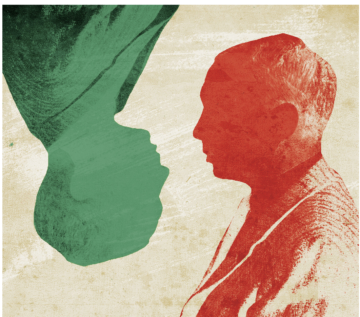


 Bill Gates has long been one of the world’s leading optimists, and his new documentary, “What’s Next,” serves as a testament to his hopeful vision of the future. But what makes Gates’s optimism particularly compelling is that it is grounded not in dewy-eyed hopes and prayers but in logic, data, and an unshakable belief in the power of science and technology. Over the years, Gates and his wife Melinda, through their foundation, have invested in a wide array of innovative technologies aimed at addressing some of the most pressing issues faced by humanity. Their work has had an especially transformative impact on underserved populations in regions like Africa, tackling fundamental challenges in healthcare, energy, and beyond. In this new, five-part Netflix series, Gates showcases his trademark pragmatism and curiosity as he engages with some of the most complex and important challenges of our time: artificial intelligence (AI), misinformation, inequality, climate change, and healthcare. His approach stands out especially for his willingness to have a dialogue with those with whom he might strongly disagree.
 I lived in Philadelphia in 1977 and would go to the Gallery mall on Market Street, a walking distance from our river front apartment. One day, around lunch, I decided to get Chinese food at the food court and looking for a place to sit, I asked two older ladies if I could sit at their table, since the place was packed. As I was picking through the food, separating the celery and water chestnuts, one of the old ladies said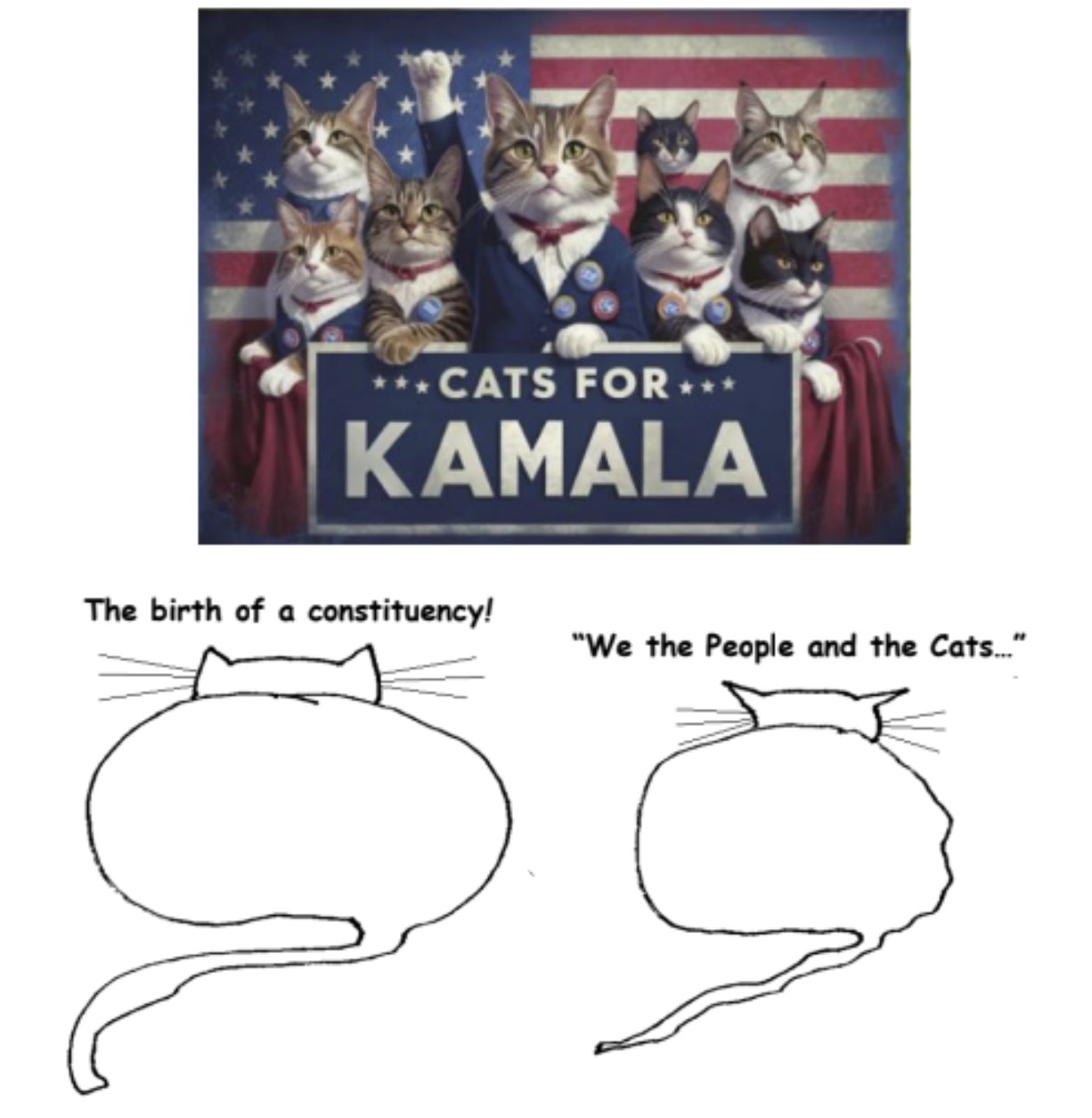
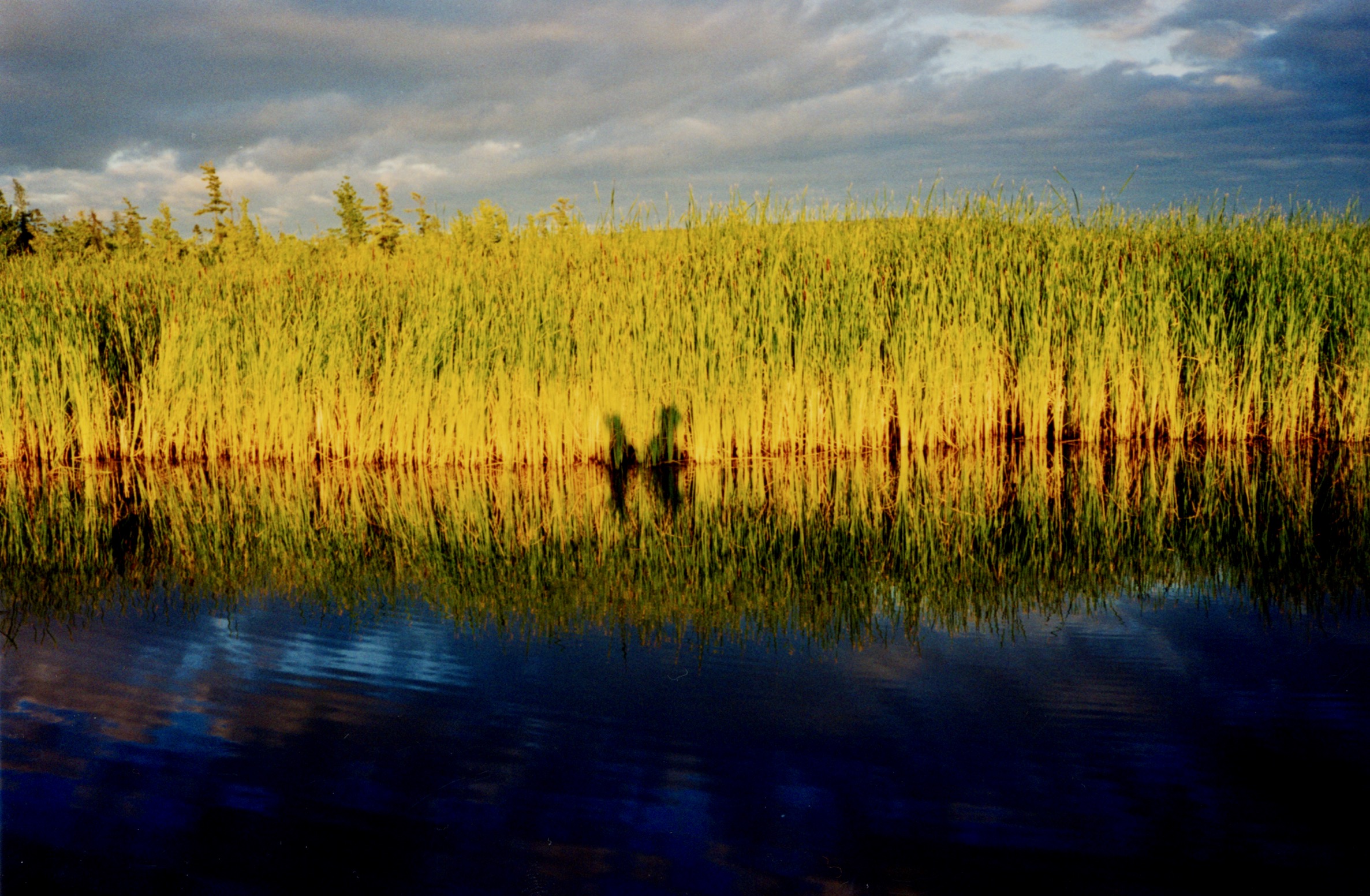 Sughra Raza. Meadowstream Afternoon, Maine, 2001.
 By all accounts, Alexandre Lefebvre’s new book,
  Enjambment is often an invitation to surprise. The line following a deftly deployed line break can serve as an answer to a question; it can, when done well, have an oracular quality, the feeling of a koan. Take for example Cameron Barnett’s powerful poem “Emmett Till Haunts the Library in Money, MS” published in his 2017 collection The Drowning Boy’s Guide to Water. Written in the voice of Till, the fourteen-year-old Black child from Chicago lynched in Mississippi in 1955 whose murder drew attention to anti-Black violence in the United States, Barnett’s poem uses line breaks as a means to defer meaning between stanzas, and thus to generate a heightened sense of awareness. Taking as its conceit the otherworldly haunting of the Money, Mississippi library, a liminal, bardo-like space where Till’s consciousness is able to narrate even after death, the narrator’s individual thoughts are often divided across stanzas, a line break functioning as a type of psychic pause before the thought is completed. For example, in the final line of the first stanza in a three-stanza poem, Barnett writes “Mamie always preached,” completing that thought at the first line of the second stanza with “good posture, so I sit straight at least.”
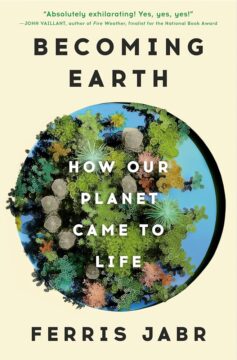 Books on nature abound. More recently, physicist Helen Czerski’s deep knowledge of the seas functioning as an ‘ocean engine’ in Blue Machine: How the Ocean Shapes the World, elevates our understanding of the ocean and provides us with a new appreciation of its integral role in the Earth’s ecosystem. Volcanologist Tamsin Mather ‘s Adventures in Volcanoland: What Volcanoes Tell Us About the World and Ourselves is also another beguiling journey into the awesome history of the ‘geological mammoths’ that are volcanoes and their dynamics, that have changed the surface of the Earth and impacted on its environment.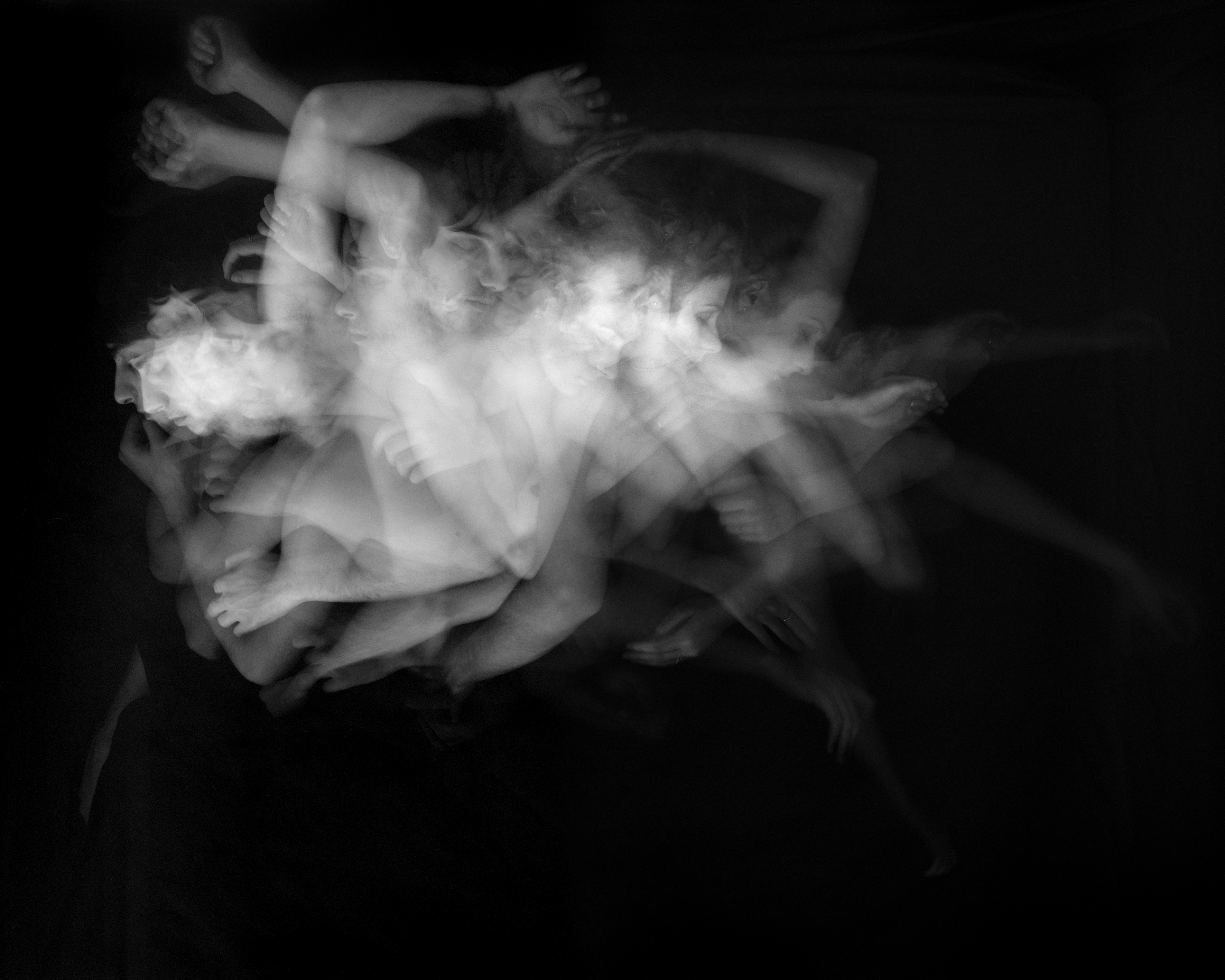
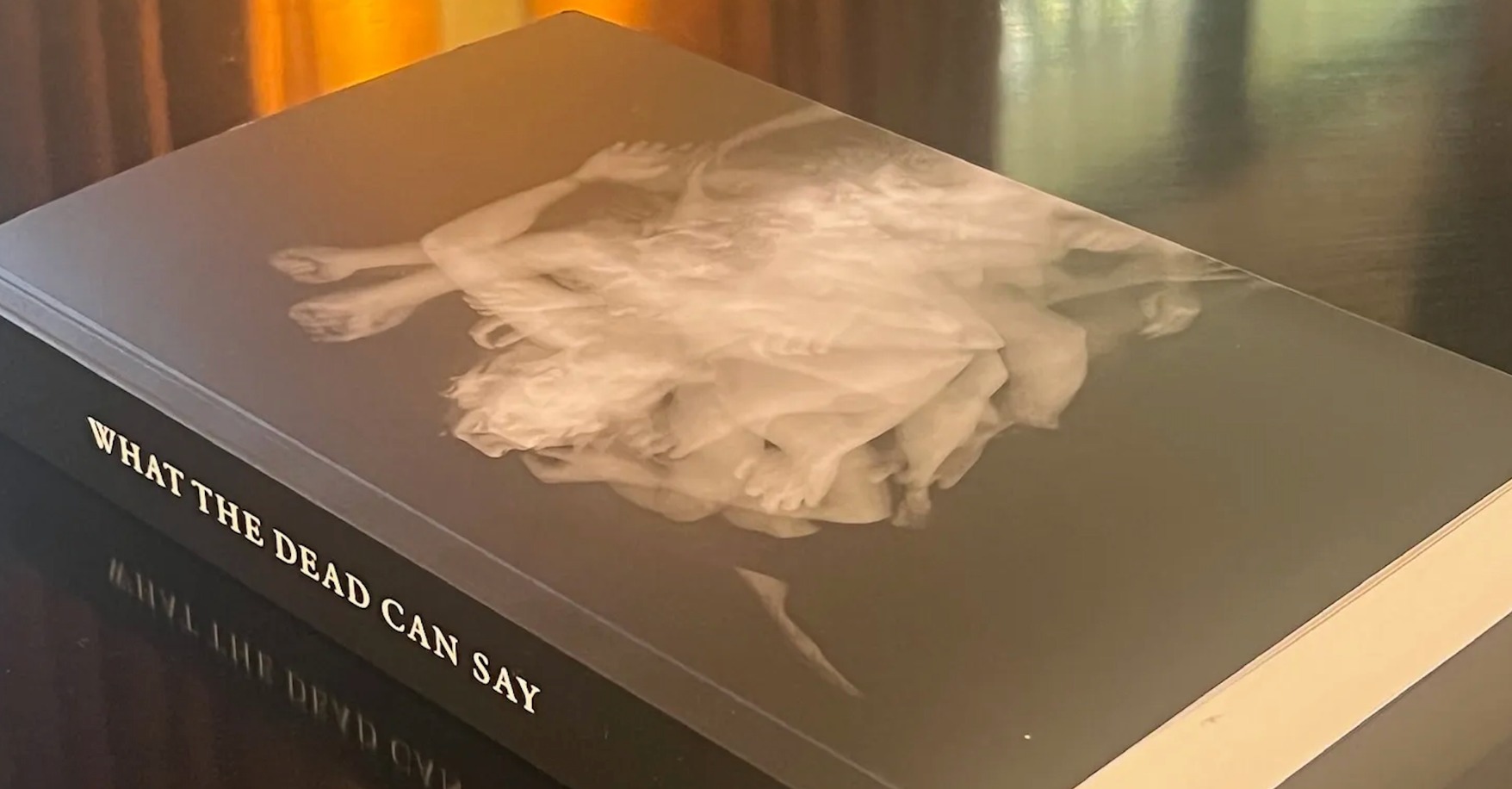 Michele Morano: Philip Graham has long been one of my favorite writers to read and to teach because of his insights, humor, and ability to challenge what we think we see. A versatile author of fiction and nonfiction— whose work has appeared in The New Yorker, Paris Review, Washington Post Magazine, McSweeney’s and elsewhere—Graham chooses subjects that explore the rippling surfaces and deep currents of domesticity at home and abroad. Each of his books illustrates Graham’s powers of perception, interpretation, and experimentation, along with his irrepressible interest in people, the more varied and unlike himself, the better. And each has contributed to the perspective of his latest project.