by Tim Sommers

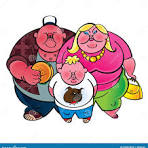
Welcome to the VR office and, hopefully, welcome to the coven! No, it’s not just witches, a group of vampires is called a “coven” too. VR? Human Resources for vampires, obviously.
Just a few last details before we can move forward. Lunch after, so let’s get through this.
I know that some of this has already been covered, but there’s a certain vampire to human ratio that it’s essential to enforce if we are going to continue letting humans do the hard work of maintaining things while we live amongst them undetected.
You’re aware, no doubt, of the many positive aspects of being a vampire. You will stop aging, repair injuries easily, potentially live forever, be erotically mesmerizing to humans (even though always dressed like a goth), have superhuman senses and strength and, yes, you can turn into a bat.
Can you even imagine what it’s like to be a bat?
Downsides. Obviously, can’t go to church, be around crosses, holy water. You can’t go outside during the day. You don’t appear in mirrors, which for many is a big one, I mean, fixing your hair can be a nightmare!
What else? You can’t put garlic on your pizza. In fact, you can’t have pizza at all. Or coffee. Or chocolate. Or alcohol. Or anything except human blood. Which I guess is a biggie for a lot of people, but I don’t really get it. I mean, sure, you have to murder and consume the blood of a human several times a week, but what’s the big deal really? There are billions of them.
But please, keep in mind, being a vampire, a hunter, an outsider, is no easy thing. It’s not like the movies where you just go to parties or lounge about all night between kills. No. Being a vampire, in many ways, is more a thrill than a pleasure. Read more »
 Danish author Solvej Balle’s novel On the Calculation of Volume, the first book translated from a series of five, could be thought of as time loop realism, if such a thing is imaginable. Tara Selter is trapped, alone, in a looping 18th of November. Each morning simply brings yesterday again. Tara turns to her pen, tracking the loops in a journal. Hinting at how the messiness of life can take form in texts, the passages Tara scribbles in her notebooks remain despite the restarts. She can’t explain why this is, but it allows her to build a diary despite time standing still. The capability of writing to curb the boredom and capture lost moments brings some comfort.
 Many have talked about Trump’s war on the rule of law. No president in American history, not even Nixon, has engaged in such overt warfare on the rule of law. He attacks judges, issues executive orders that are facially unlawful, coyly defies court orders, humiliates and subjugates big law firms to his will, and weaponizes law enforcement to target those who seek to uphold the law.
 When this article is published, it will be close to – perhaps on – the 39th anniversary of one of the most audacious moments in television history: Bobby Ewing’s return to Dallas. The character, played by Patrick Duffy, had been a popular foil for his evil brother JR, played by Larry Hagman on the primetime soap, but Duffy’s seven-year contract with the show had expired, and he wanted out. His character had been given a heroic death at the end of the eighth season, and that seemed to be that. But ratings for the ninth season slipped, Duffy wanted back in, and death in television, being merely a displaced name for an episodic predicament, is subject to narrative salves. So, on May 16, 1986, Bobby would return, not as a hidden twin or a stranger of certain odd resemblance, but as Bobby himself; his wife, Pam, awakes in bed, hears a noise in the bathroom and investigates, and upon opening the shower door, reveals Bobby alive and well. She had in fact dreamed the death, and, indeed, the entirety of the ninth season.
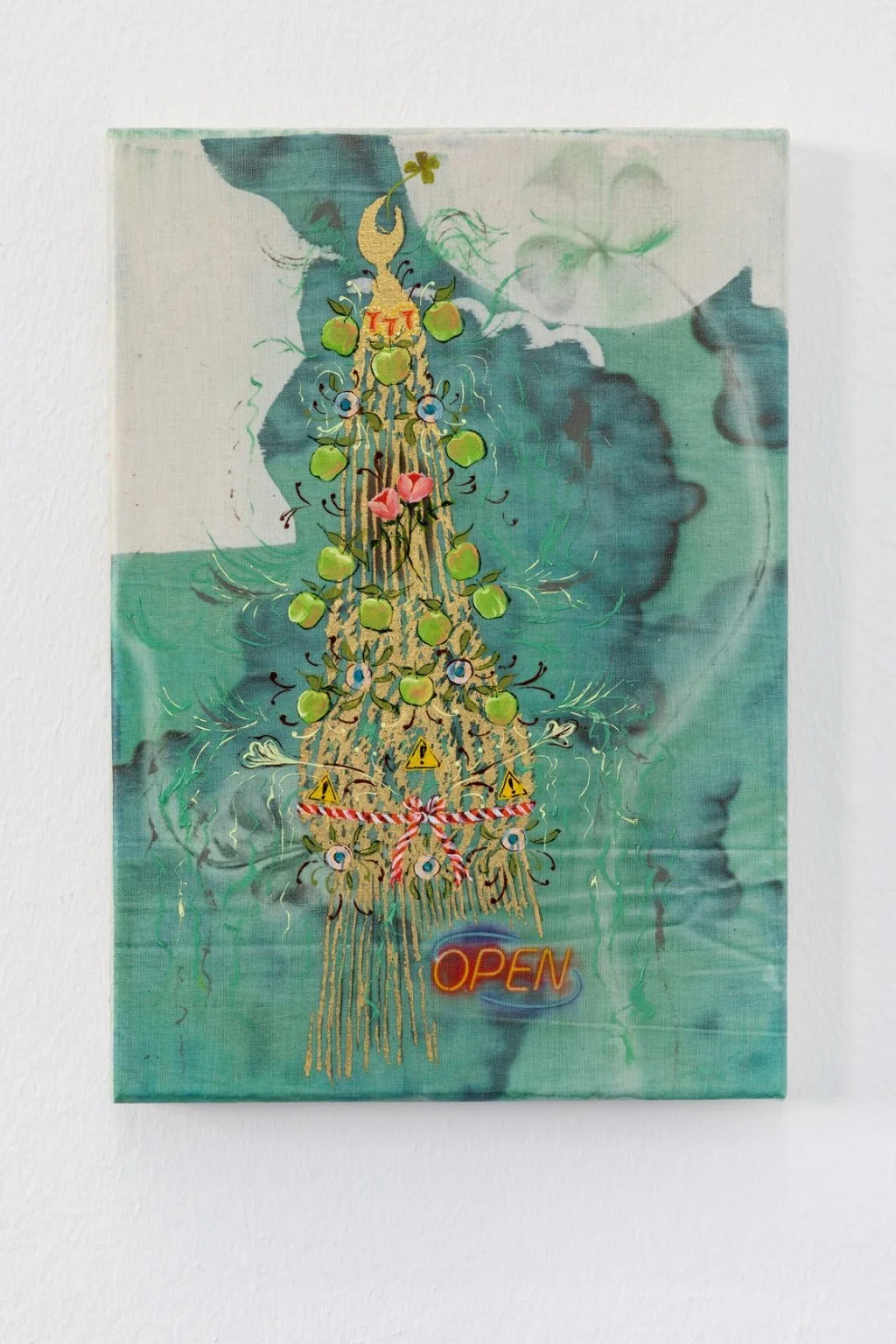 Elif Saydam. Free Market. 2020.


 In a recent article, ‘