by Mary Hrovat
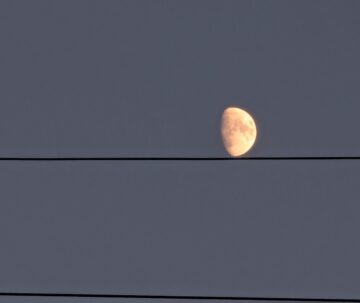
I’m tired of hearing about parades of planets. That term is used by astronomers to describe the presence of more than a few planets above the horizon at one time. Although it’s genuinely unusual to have five or six planets above the horizon at the same time, it’s not always an impressive sight for casual viewers. Moreover, the term is sometimes used rather loosely, and some sources provide incorrect or incomplete information about what constitutes a particular parade or how easy it will be to see.
The only planets that are reliably easy to see without optical aid such as binoculars or a telescope are Venus, Mars, Jupiter, and Saturn (and, of course, Earth). The visibility of even those four planets depends on how high in the sky they are. A recent parade of planets included a few that were very low in the west after sunset, which made them difficult to spot. It wasn’t much of a parade, in my opinion. Moreover, you’ll need optical aid and fairly dark skies to see Uranus and Neptune, and you’ll need to know your way around the sky well enough to locate them.
Moreover, the images that accompany some stories about planetary parades are misleading. Planets may be more spread out on the sky than the drawings indicate, and if they’re not at their brightest, they might not stand out well against a starry background. Read more »
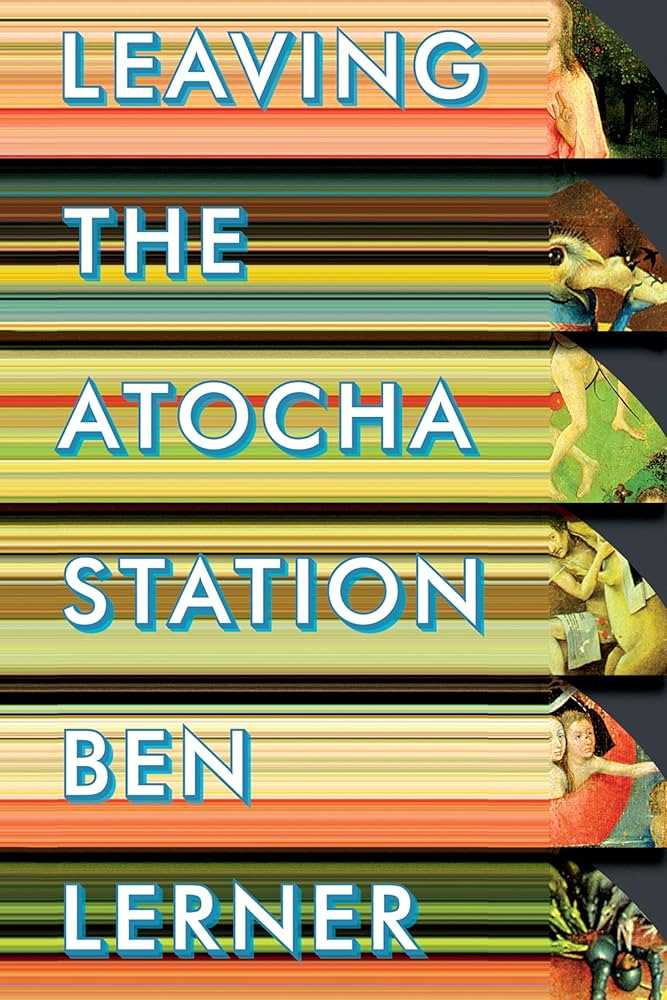 I had meant to read Ben Lerner’s new novel, Transcription, but in a process I don’t understand, all the e-books were in use at the library; I borrowed his first novel, Leaving the Atocha Station (2011), instead. I’d never read Lerner, this despite having written a long essay defending autofiction in The Republic of Letters (Lerner is considered one of the genre’s main exemplars), focusing instead on the non-American writers of autofiction (Knausgaard, Cusk, Ferrante). I’ve always preferred European literature to American literature, the one exception being Americans who write about Europe, like Henry James or James Baldwin, but when I opened Leaving the Atocha Station, I discovered that Lerner also writes about Americans in Europe; in this case, the American is Adam Gordon, a version of Lerner who is on a poetry fellowship in Madrid, much like Lerner was a Fulbright scholar in Madrid in 2004, the year the book takes place.

 The AI market continues to evolve and surprise. In recent months, Anthropic withheld their latest model Mythos, OpenAI made a U-turn and started experimenting with ads, and Meta bought a “social network for AIs”. This could point to increased divergence in AI companies’ business models. While this might increase AI risk to society in the short term, it is likely a good thing for managing risks in the longer term. It should be encouraged.
 In the early 1990s, I began listening to qawwali in a serious way. In 1994 I happened upon a recording of one of the great performances of the Pakistani maestro, Nusrat Fateh Ali Khan. He must have been addressing an audience outside South Asia because he began the concert with a sentence in English (of sorts). “Now we are singing,” he announced in his gravelly voice and thick Punjabi accent, “a poetry in the Persian.” Without further preamble he and his troupe began to sing. For many years now I’ve tried to correct the sentence in my mind. Poetry in the Persian. Poetry in Persian. A poem in the Persian. A poem in Persian. But it never sounds quite right, except in Nusrat’s idiosyncratic grammar: Now we are singing a poetry in the Persian.



 Set over a single weekend, Thammika Songkaeo’s novel
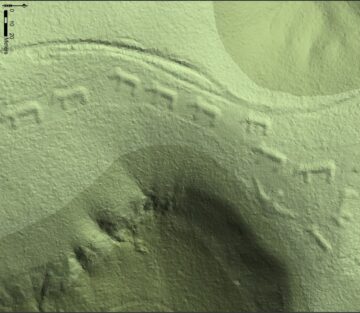
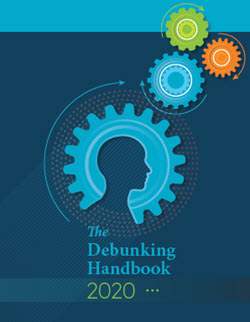 The Debunking Handbook, 2020,
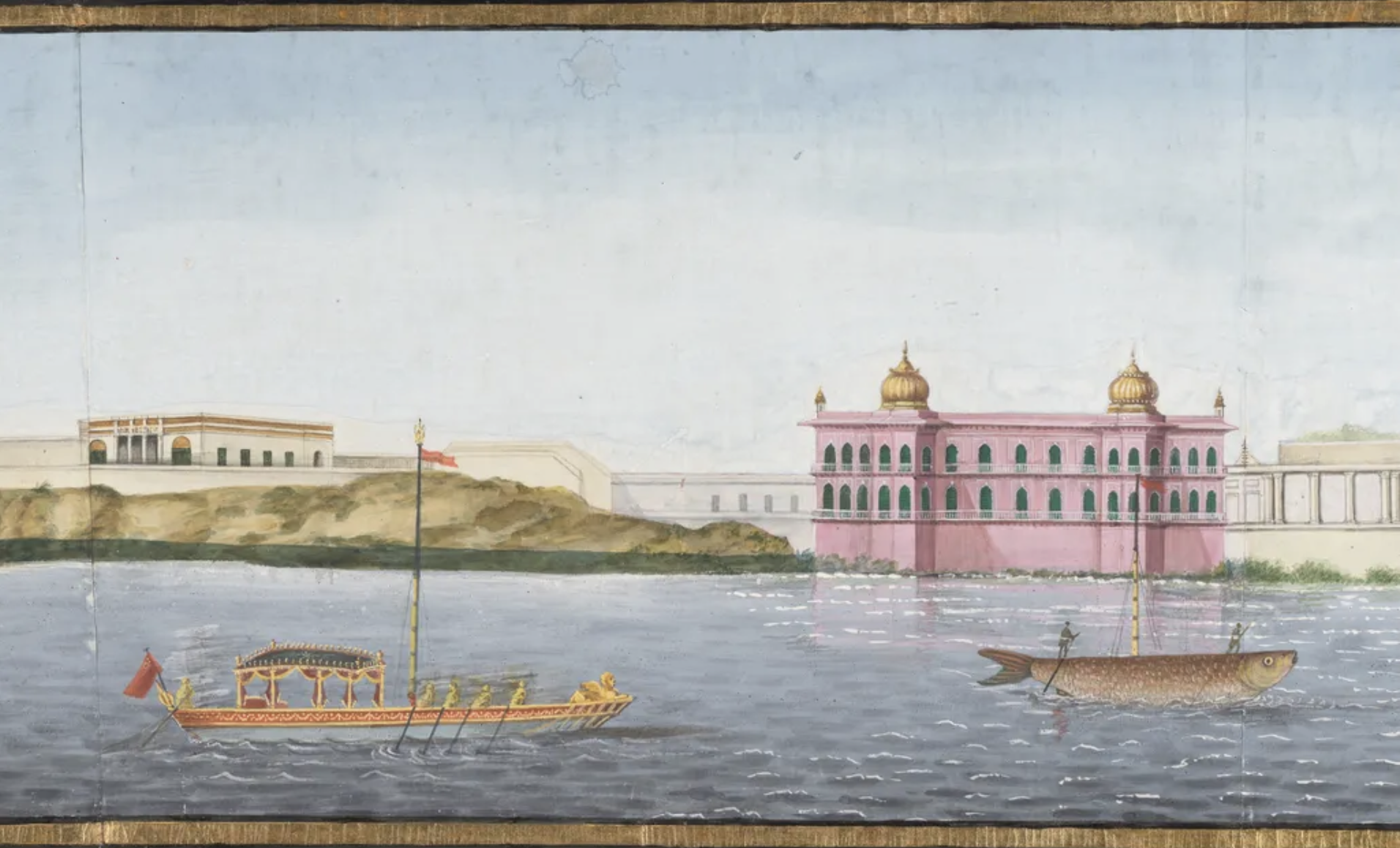 Artist not known. Panorama of Lucknow From The Gomti, 1821-1826. (Detail from a scroll 31 cm x 1128 cm.)