
by Kyle Munkittrick

Imagine you are in room of literati types in the early 2010s. These are smart, well-read, curious people. The books on their shelves are impressive, as are their movie collections. You notice classics, hits, and obscure artistic works on display. The conversation turns to favorite fictional characters and you bring up, say, Paulie Walnuts, Gus Fring, or Willow Rosenberg.
You’re met with quiet looks of confusion.
Ok, so these folks haven’t heard of any of these characters. You’re a bit disappointed, maybe even surprised that they hadn’t been participating in the Golden Age of Television. You try to recover and elicit a response by noting the hugely famous and influential shows you’re referencing.
“Wow! You haven’t seen The Sopranos, Breaking Bad or Buffy the Vampire Slayer? I’m surprised. What TV shows do you like? Game of Thrones? Grey’s Anatomy?”
The hosts and guests all look at you blankly, almost embarrassed for you, and reply, “I don’t watch TV.” Some one else says, “I’m not sure I’ve ever watched a show.” More than half of the room responds that way.
One dude looks up, eager. “I watch TV” he says. You brighten!
“I love football and the World Series of Poker.” He continues, “But I’m not into those talking shows.”
At such an interaction you would not only be a bit gobsmacked, you would be, I suspect, saddened.
This, broadly, has been my experience with narrative video games for the past few decades.
We are living through a Golden Age of storytelling, but most of the population is missing out on it. It isn’t the crisis of men not reading or that romantasy is dominating the charts. It’s not because people are illiterate or lazy. Quite the opposite, in fact. Many of people who read Difficult Important Novels and make sure they are optimizing their time are among the least likely to have access to these great stories.
That’s because the stories are being told in video games. Most people don’t play video games; many don’t even know how. Read more »
 There was a prevailing idea, George Orwell wrote in a 1946 essay


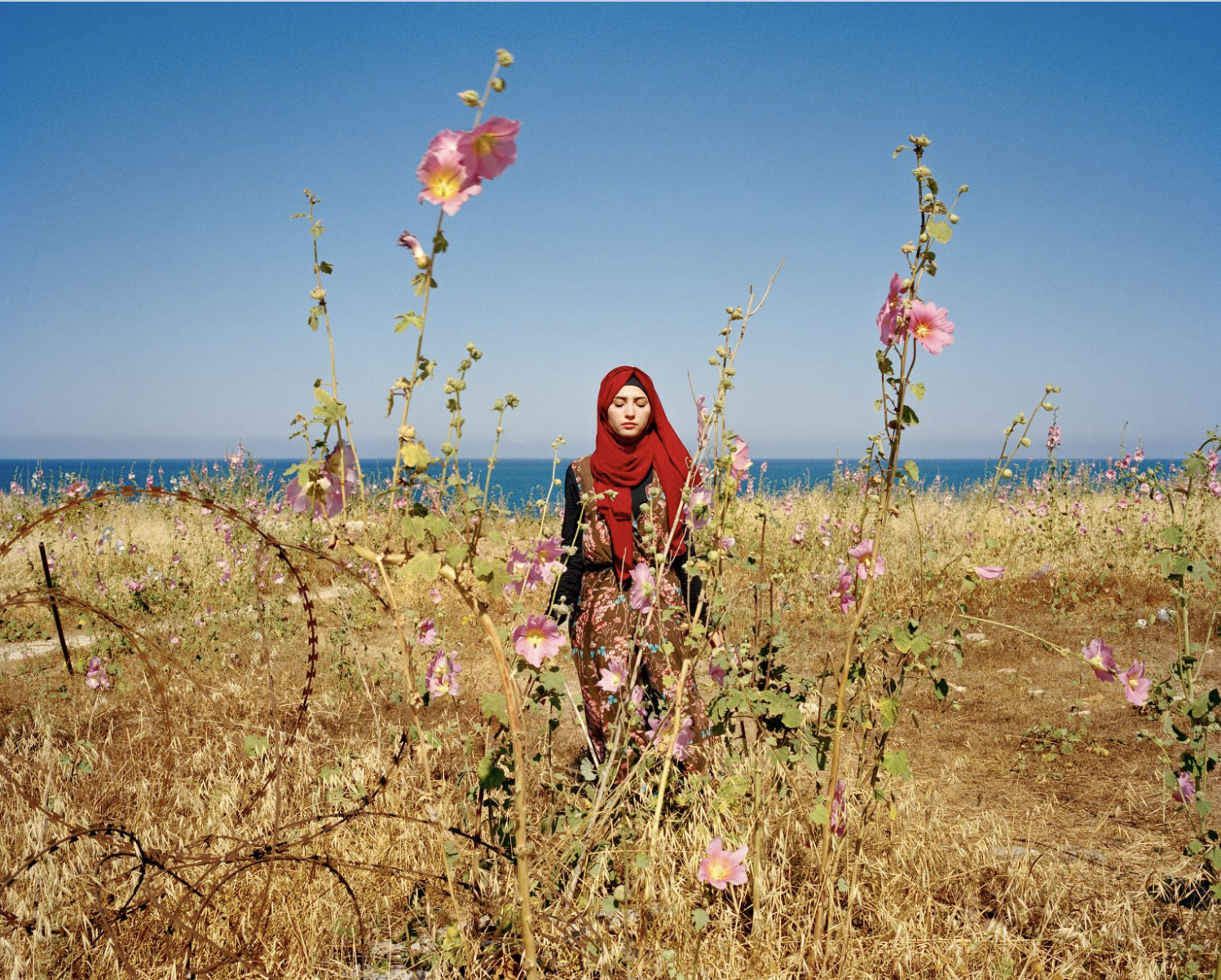 Rania Matar. Samira, Jnah, Beirut, Lebanon, 2021.





 A South Asian person I dated for a year complained to me one day that I was too Iranian. He said a lot of things I did had that tint and flavor to them. We were eating lunch that I had prepared, which consisted of rice and chicken, and I had a plate of fresh herbs that accompanies most meals in Iran. As he was enjoying his meal, he continued that he had never met someone as still ingrained in their own culture as I was. When I pressed for details, he said things like having pistachios and sweets at home to go with tea, or serving fruit for dessert. The irony of it all is that he loved it when I cooked Persian dishes and enjoyed them when I sent him home with leftovers, and really appreciated the snacks I had in my house to accompany his 5 pm scotch.
 The 2020 documentary