
by Thomas O’Dwyer

Complicated international agreements on managing the planet’s many human and natural resources may seem essentially modern, a consequence of the interdependence between nations that has been growing since the 19th century. Such accords are as necessary as sewage pipes that underpin healthy societies and just as boring. However, we possess copies of the first known international agreement signed in human affairs — and it is 3,300 years old. This treaty for peace and economic cooperation ended conflicts between the Egyptian and Hittite empires. Archaeologists found a copy of the treaty from each side, one in Egyptian hieroglyphics in 1828 and the other in Hittite cuneiform text in 1908. The treaty itself, signed by Pharaoh Ramses II and King Hattusilis, became a model of endurance in the fractious Middle East of the 13th century BCE (plus ça change). The formerly warring states remained friends and allies for nearly 100 years until Assyria invaded and destroyed the Hittite kingdom.
And now we move from possibly the first international agreement in human history to maybe the last — if it doesn’t work, and fast. In November, Scotland will host the most prominent international conference ever seen in Britain, a memorable event with an eminently forgettable title, the 26th Conference of the Parties — COP26. (The United Nations is well known for the tedium of its terminology). A conference of the parties is the supreme governing body of any international convention and includes representatives of all the states involved plus any observers. In UN-speak, a COP aims “to review the implementation of the convention and any other legal instruments that the COP adopts.” The COP descending on Glasgow in six months has the task of saving humanity, no less, for it has to advance the UN Framework Convention on Climate Change. Most will have been unaware that this conference of the parties has met (almost) every year since the first in 1995 in Berlin. The “parties” are 197 states and territories that signed on to the Climate Change Convention. And what, you may well ask, have these vast gatherings of blathering heads achieved since 1995? The answer, in good British slang, would be “Bugger all!” Read more »


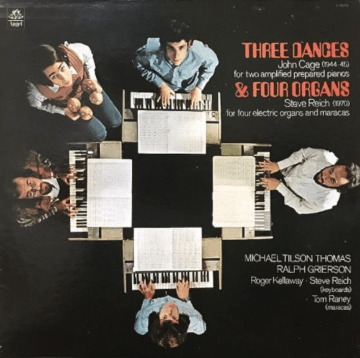 car when driving alone. Yet my momentary career as a musical performer—exceedingly brief as it may have been—enjoyed a spotlight rarely offered to others.









 Wine and music pairing is becoming increasingly popular, and the effectiveness of using music to enhance a wine tasting experience has received substantial empirical confirmation. (I summarized this data and the aesthetic significance of wine and music pairing
  Two weeks ago European soccer world was rocked by an announcement that 12 of the top clubs had agreed among themselves to form a European Super League (ESL) to replace the existing European Champions League (ECL). The “dirty dozen” were Real Madrid, Barcelona, Atletico Madrid, Juventus, Inter Milan, AC Milan, Manchester United, Manchester City, Liverpool, Arsenal, Chelsea, and Tottenham. These teams were to be joined by another 8, bringing the total up to 20. A defining feature of the ESL would be that 15 of its members would be guaranteed their place in the competition no matter how they performed the previous year or in their domestic competitions.