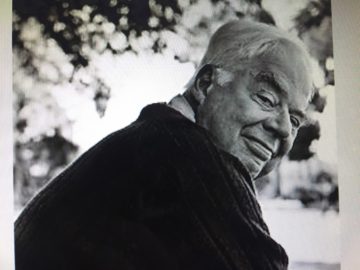
by Jeroen Bouterse
Permanent Crisis
In one of the opening scenes of The Chair (2021), we are treated to an ideal-typical self-diagnosis of a struggling English department. Its new chair, Ji-Yoon Kim, narrates:
I’m not gonna sugarcoat this: we are in dire crisis. Enrollments are down more than 30 percent, our budget is being gutted. It feels like the sea is washing the ground out from under our feet. But in these unprecedented times, we have to prove that what we do in the classroom – modeling critical thinking, stressing the value of empathy – is more important than ever, and has value to the public good. It’s true, we can’t teach our students coding or engineering. What we teach them cannot be quantified, or put down on a resumé as a skill. But let us have pride in what we can offer future generations. We need to remind these young people that knowledge doesn’t just come from spreadsheets or Wiki entries. Hey, I was thinking this morning about our tech-addled culture and how our students are hyperconnected 24 hours a day, and I was reminded of something Harold Bloom wrote. He said: ‘Information is endlessly available to us. Where shall wisdom be found?’
The idea that a humanities department would be experiencing rough times is not a hard sell. The series uses the high-mindedness of this speech to let the silly and petty behavior of the faculty stand out more, but it also leaves little question that Ji-Yoon’s diagnosis is basically right: it is simultaneously extremely hard to defend the value of the humanities in this day and age, and especially important, because they offer something that runs counter to what we tend to believe the tendencies of that day and age to be – instrumentalism, materialism, marketability, et cetera.
Precisely what that value consists of is contested, and generic crisis talk is also a way for the chair not to become too specific – in particular, not to choose sides between the older, canon-oriented generation (the men in the scene nod in relief when Ji-Yoon name-drops Harold Bloom) and the younger, progressive staff. The main point now, however, is that this diagnosis is immediately recognizable: while there are skills that fit comfortably within the modern economy, Ji-Yoon says, the humanities are untimely; they provide a kind of knowledge that our society both needs and undervalues. Read more »
 When I was growing up during the 1970s, America still had a vibrant and thriving newspaper culture. My hometown New York City boasted a half-dozen dailies to choose from, plus countless neighborhood newspapers. Me and other kids started reading newspapers in about the 5th grade. Sports sections, comics, and movie listings mostly, but still. By middle school, newspapers were all over the place, and not because teachers foisted them upon us, but because kids picked them up on the way to school and read them.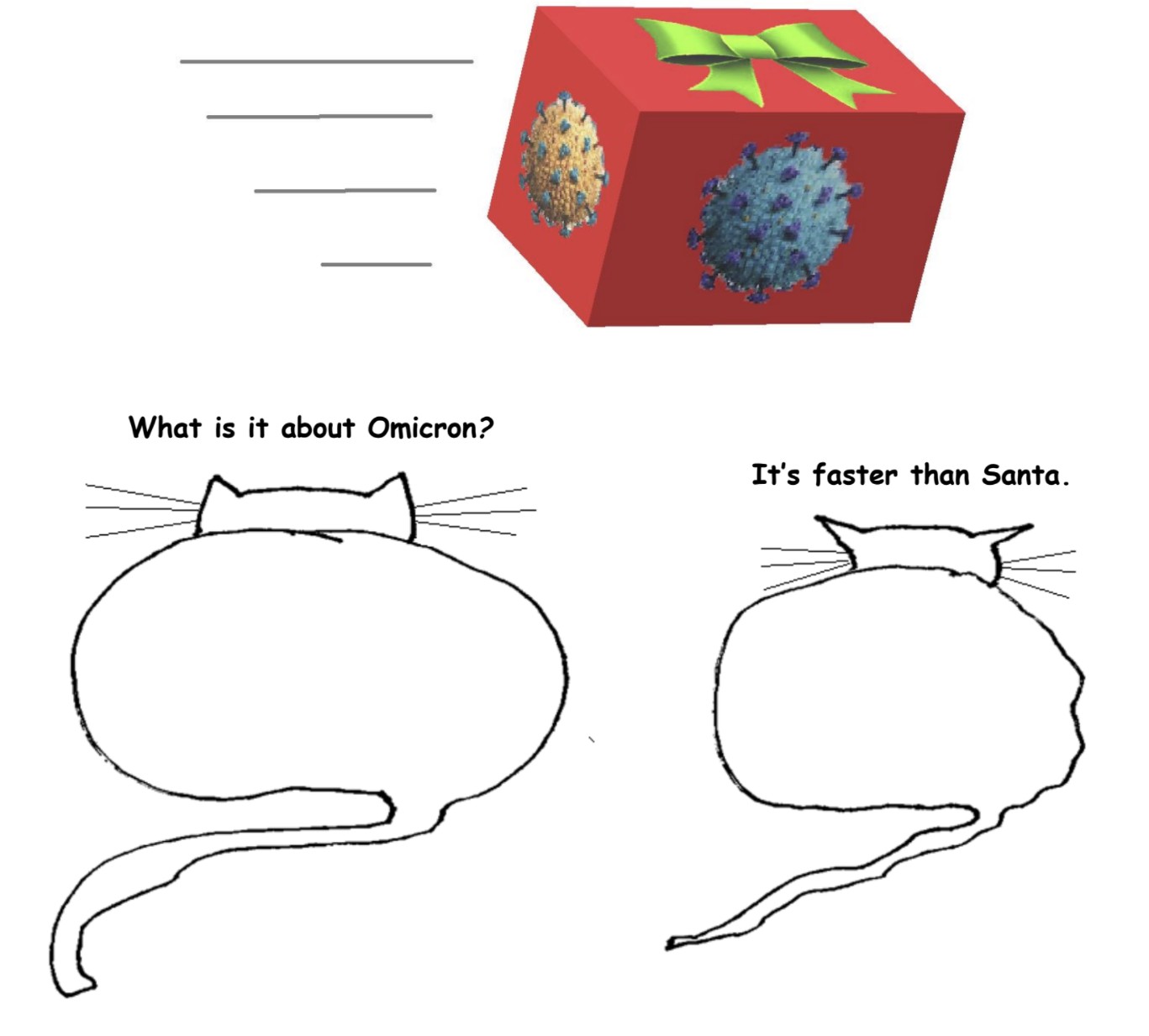


 Although there might be nothing wrong with our hearing, we are quickly losing our ability to practice three formative modalities of democratic listening: Mindful, Aesthetic and Critical. These three modalities support our active participation in sustained, intimate conversations where we learn with and from each other. Millennials in particular struggle to listen to their friends, parents, and teachers for more than a few seconds without their brains becoming distracted by the ubiquitous hand of technology.
 Many years ago, I returned to my old high school for a visit with friends who were classmates back in the ’80s. Exploring the school and marveling over what had changed and what remained exactly the same, we ventured into the language lab. The room smelled exactly the same as it had in 1983, and it took me right back to those days of incredibly boring language lessons and sitting in that room with headphones on repeating monotonous phrases.
 Cogito Ergo Sum? Welcome to the party. There’s a lot more going on out there than we sometimes think: Cephalopods
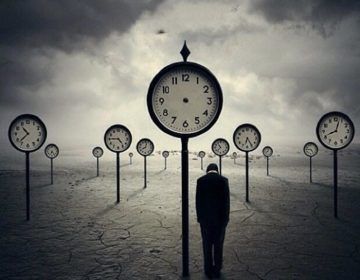 At MIT outside the Economics Department there was one scholar, whose several lectures I have attended was Noam Chomsky. I knew of him as a pioneer in modern linguistic theory, but his fame in the outside world is as America’s topmost dissenter (his position is somewhat like what used to be that of Bertrand Russell in Britain, a towering figure in his own subject philosophy, but his fame outside was that of Britain’s leading dissenter).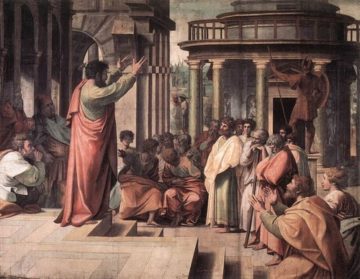

 A soft-spoken, self-effacing young man from Seoul may be the most listened-to living composer on the planet right now, with two blockbuster works of cinema and TV on his resumé. Not only did Jung Jaeil compose the score for the Oscar-winning Parasite, but his subsequent gig, Squid Game, has just stormed into the record books: Seen and heard by hundreds of millions by now, it has become a global phenomenon, another sign of South Korea’s approaching and encroaching hegemony over all things cultural.
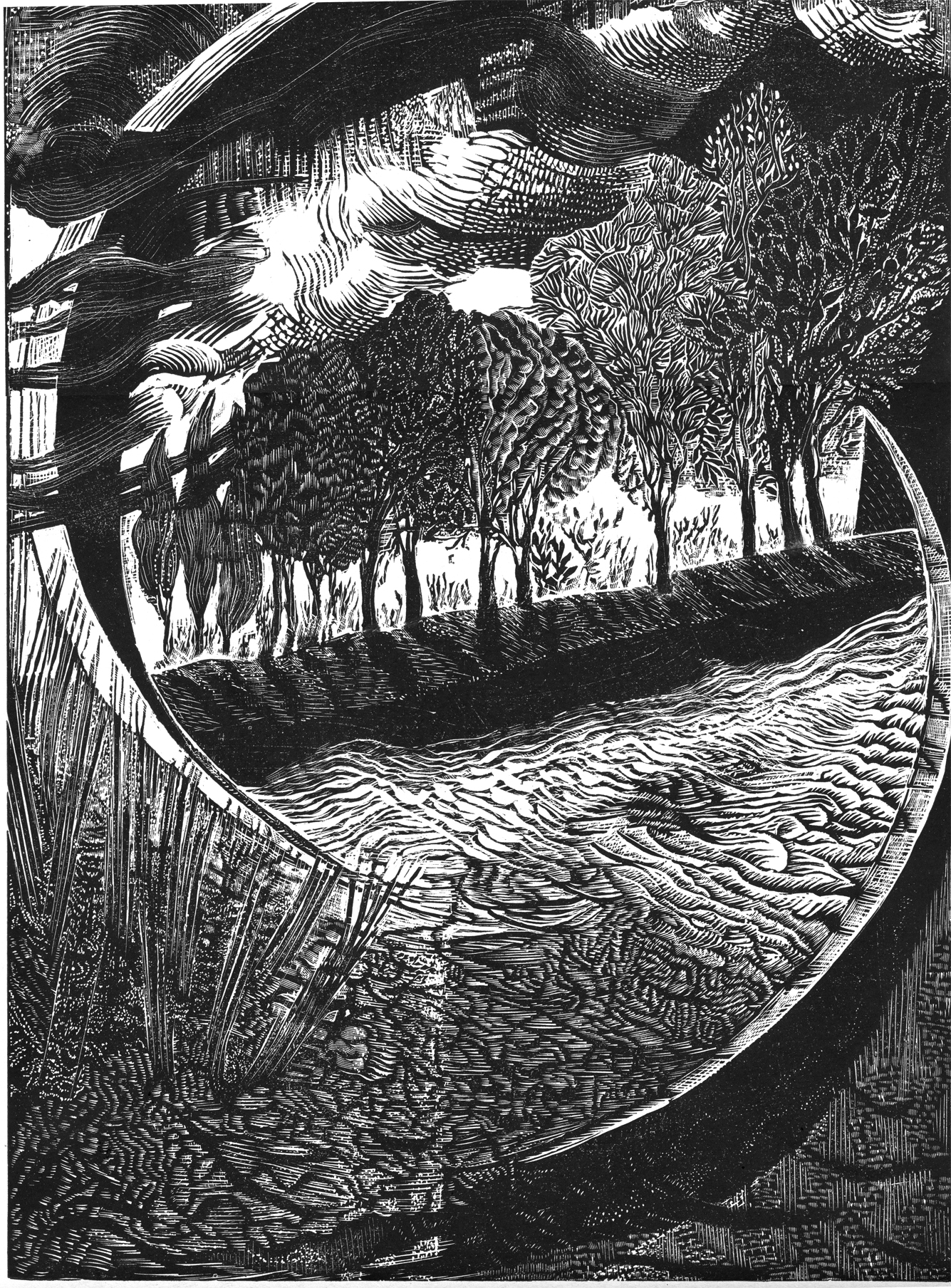 Mary Kuper. “… our curious type of existence here.”