by N. Gabriel Martin
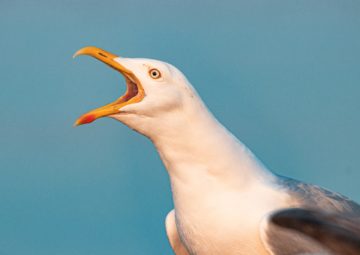
What did my friend mean when he told me that there was no such thing as a seagull? He didn’t mean that the aggressive bird that had stolen my chips didn’t exist, nor did he mean that it was something else, not a seagull. He meant that “seagull” isn’t the right word.
He went on to explain that there is no particular species called a seagull. What stole my chips on Brighton beach was a herring gull, which is different from the glaucous-winged gull I’d seen going after fries in Vancouver and the silver gulls that harass picknickers in Sydney.
Okay, fine. But he had no right to correct me. It was a seagull after all. Calling it a herring gull or even Larus argentatus would be no more or less correct than calling it what I’d called it. It wouldn’t even be any more precise.
He was insisting on a distinction that may well be significant for scientific purposes, but which may have obscured the perfectly true things I want to talk about when I talk about nuisance seabirds. Read more »
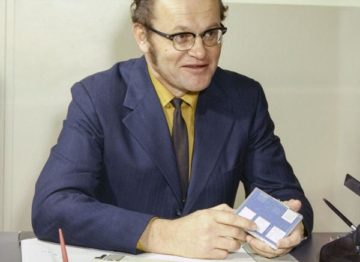
 At ISI we were assigned statistical assistants who’d take our large data analysis jobs to the IBM computer at the Planning Commission, but for relatively small jobs they’d do the calculations themselves by furiously rotating the handles of the small Facit mechanical calculator they each had, you could literally hear the noise of ‘data crunching’. This was before electronic desk calculators came to Indian institutions. I remember buying a small Texas Instruments calculator in a short trip abroad and was quite impressed by its capacity; and I told TN that I did not need to learn the operation of Facit machines, which I saw him cranking all the time. (This reminds me of a British economist, Ivor Pearce, who told me that just before the War he used to work for an accounting firm where they had not yet heard of log tables; he said he finished the whole day’s work in just an hour by using the log table and read books in his office the rest of the time). Of course, I am told today our tiny laptops/smartphones contain computing capacity million times larger than the biggest IBM machines in India at that time.



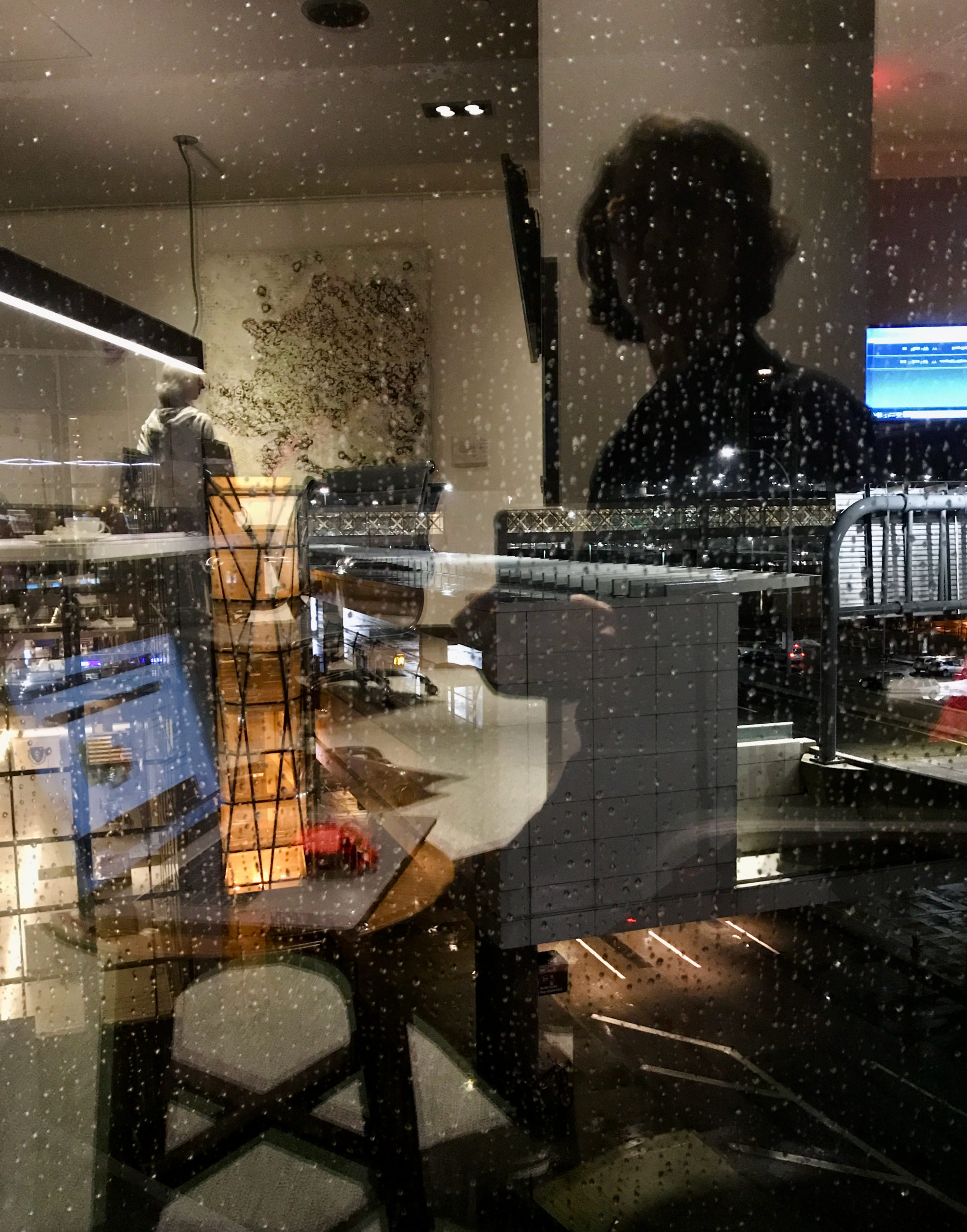 Sughra Raza. Rainy Reflection Self-portrait for 2022.
 January, 2022. East End, Long Island, NY. It’s getting colder. I just recovered from a bout with COVID. I am sitting around the fire pit sipping tequila, drinking homemade bone broth from a mug, and watching lists of very important dead people, ripped from various newspapers and magazines, burn in the fire. Life is good.
 Three things we know about #BLM, two obvious, one a bit more subtle.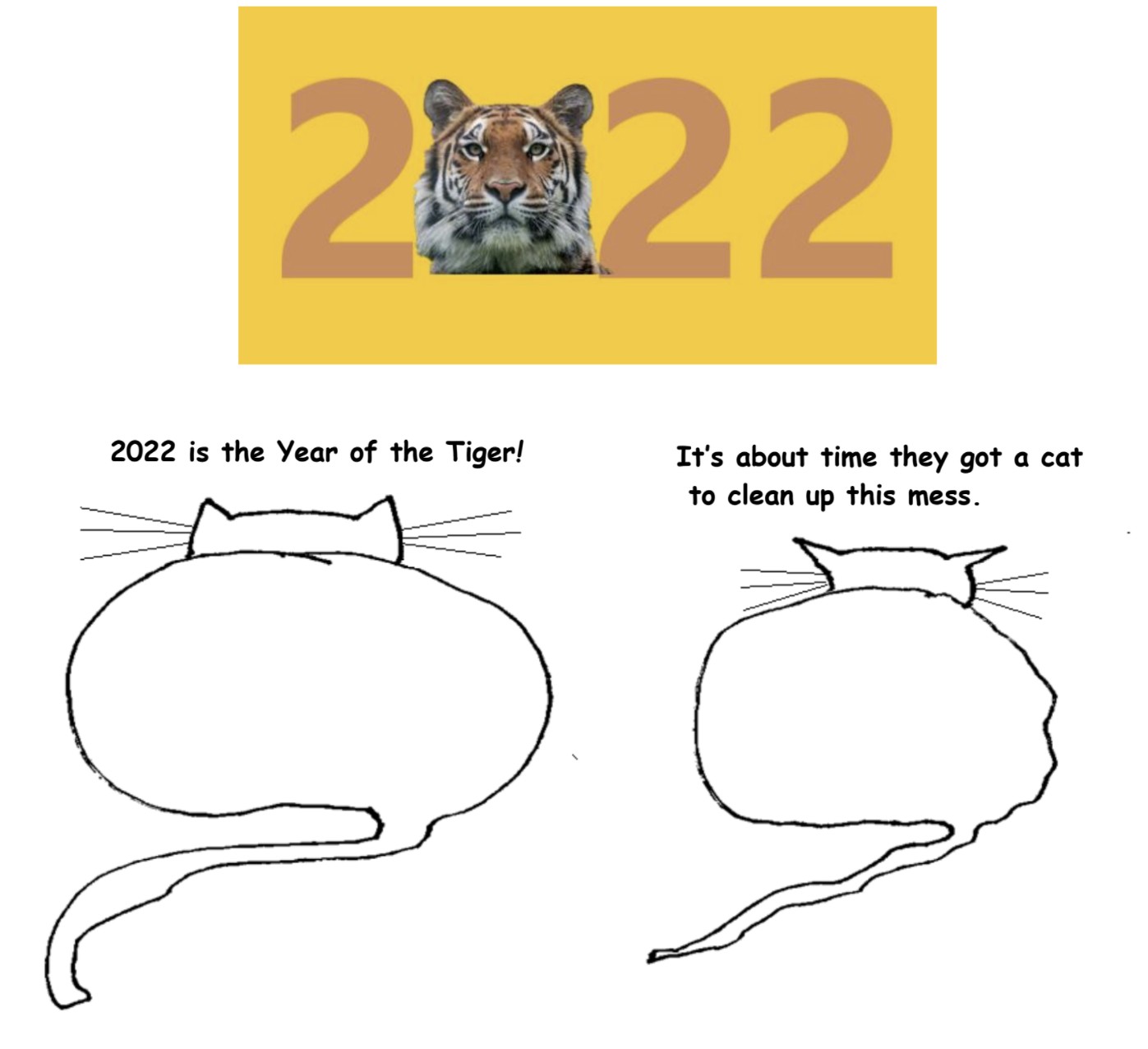

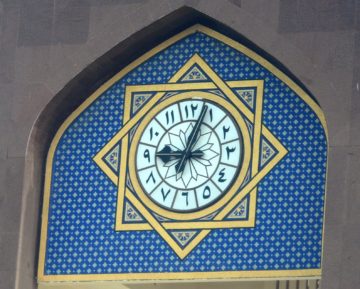 2022 is alive, a babe come hale and hollering to join its sisters 2020 and 2021, siblings bound by pandemic. Everybody stood to see off 2022’s older sister 2021, like we all did 2020 before her. Out with the old. Quickly, please.
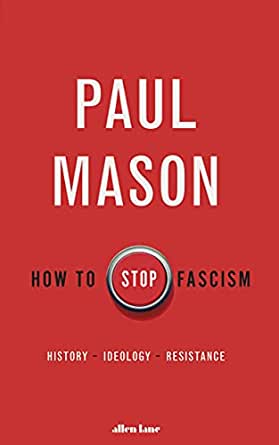 In today’s political world where liberal democracy is purported to have triumphed and ‘the end of history’ is supposed to be with us, many people might be content to rest on their laurels that fascism has been confined to the dustbin of political history, and at most its supporters on the fringe of contemporary politics. Not so however, for Paul Mason. For him ‘fascism is back’ and poses a real threat to democracies. Indeed, so convinced is he of his argument that fascism is emerging as a force to be reckoned with, his recent book How to Stop Fascism: History, Ideology, Resistance is a call to arms for greater understanding of its modern manifestations, and to resist its influence in politics.
 In
In