by Ashutosh Jogalekar
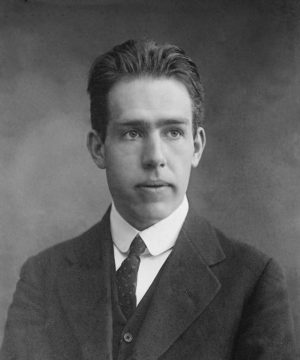
Scientists like to think that they are objective and unbiased, driven by hard facts and evidence-based inquiry. They are proud of saying that they only go wherever the evidence leads them. So it might come as a surprise to realize that not only are scientists as biased as non-scientists, but that they are often driven as much by belief as are non-scientists. In fact they are driven by more than belief: they are driven by faith. Science. Belief. Faith. Seeing these words in a sentence alone might make most scientists bristle and want to throw something at the wall or at the writer of this piece. Surely you aren’t painting us with the same brush that you might those who profess religious faith, they might say?
But there’s a method to the madness here. First consider what faith is typically defined as – it is belief in the absence of evidence. Now consider what science is in its purest form. It is a leap into the unknown, an extrapolation of what is into what can be. Breakthroughs in science by definition happen “on the edge” of the known. Now what sits on this edge? Not the kind of hard evidence that is so incontrovertible as to dispel any and all questions. On the edge of the known, the data is always wanting, the evidence always lacking, even if not absent. On the edge of the known you have wisps of signal in a sea of noise, tantalizing hints of what may be, with never enough statistical significance to nail down a theory or idea. At the very least, the transition from “no evidence” to “evidence” lies on a continuum. In the absence of good evidence, what does a scientist do? He or she believes. He or she has faith that things will work out. Some call it a sixth sense. Some call it intuition. But “faith” fits the bill equally.
If this reliance on faith seems like heresy, perhaps it’s reassuring to know that such heresies were committed by many of the greatest scientists of all time. All major discoveries, when they are made, at first rely on small pieces of data that are loosely held. A good example comes from the development of theories of atomic structure. Read more »
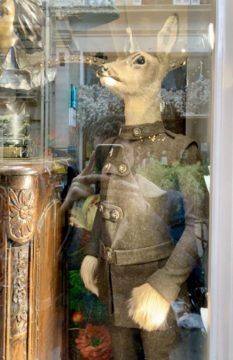 Every hour of every day I hear the pulsating rush of le Periph and I am reminded that Paris is dead. My dorm is at the very bottom of Paris such that if the city were a ball I’d be the spot that hits the ground. I sit in my windowsill. I watch cars drive on the highway in an unending flow, like blood in veins, fish in streams, but they’re all metal idols of life. Life does not go this fast. Life stops to take a rest.
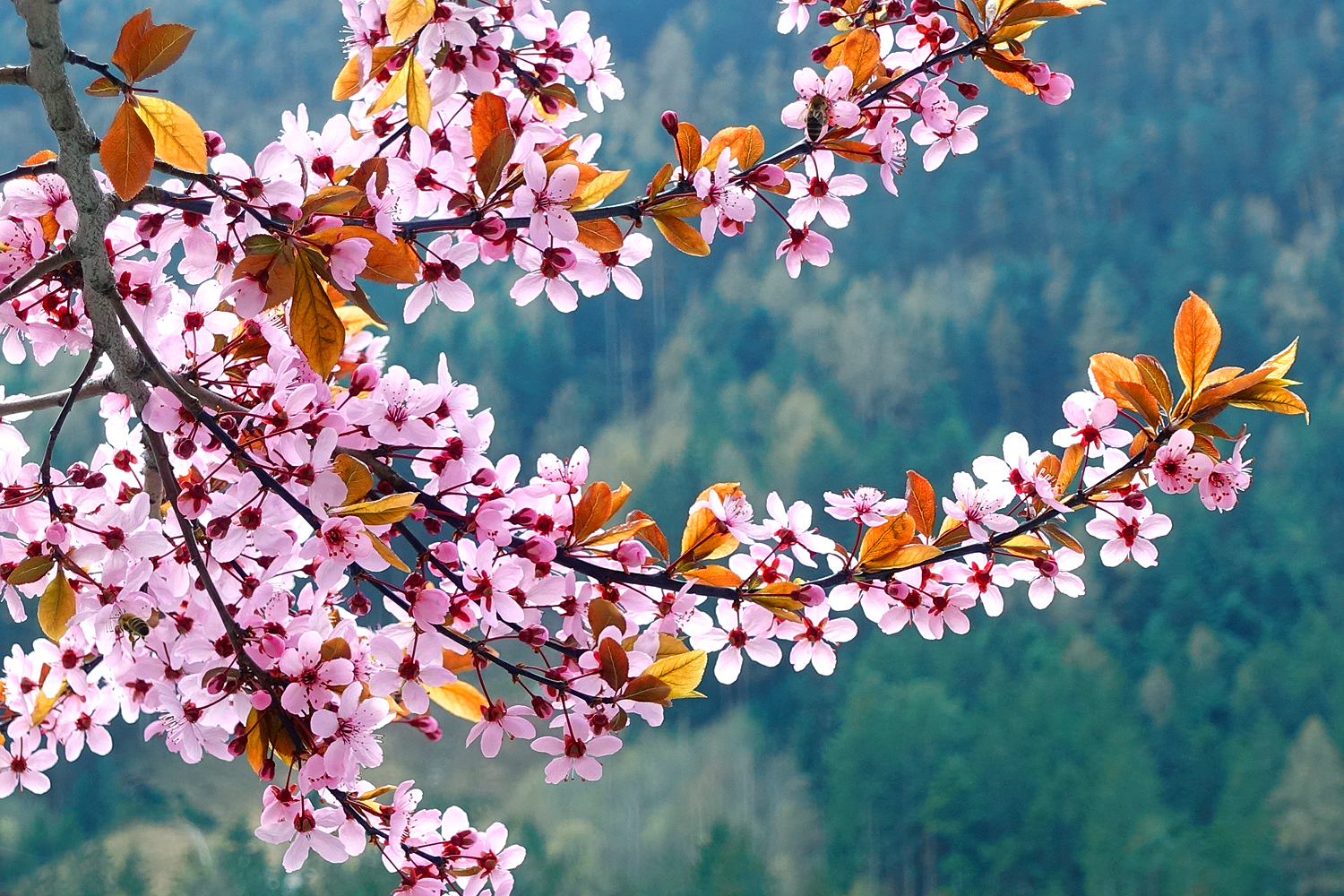
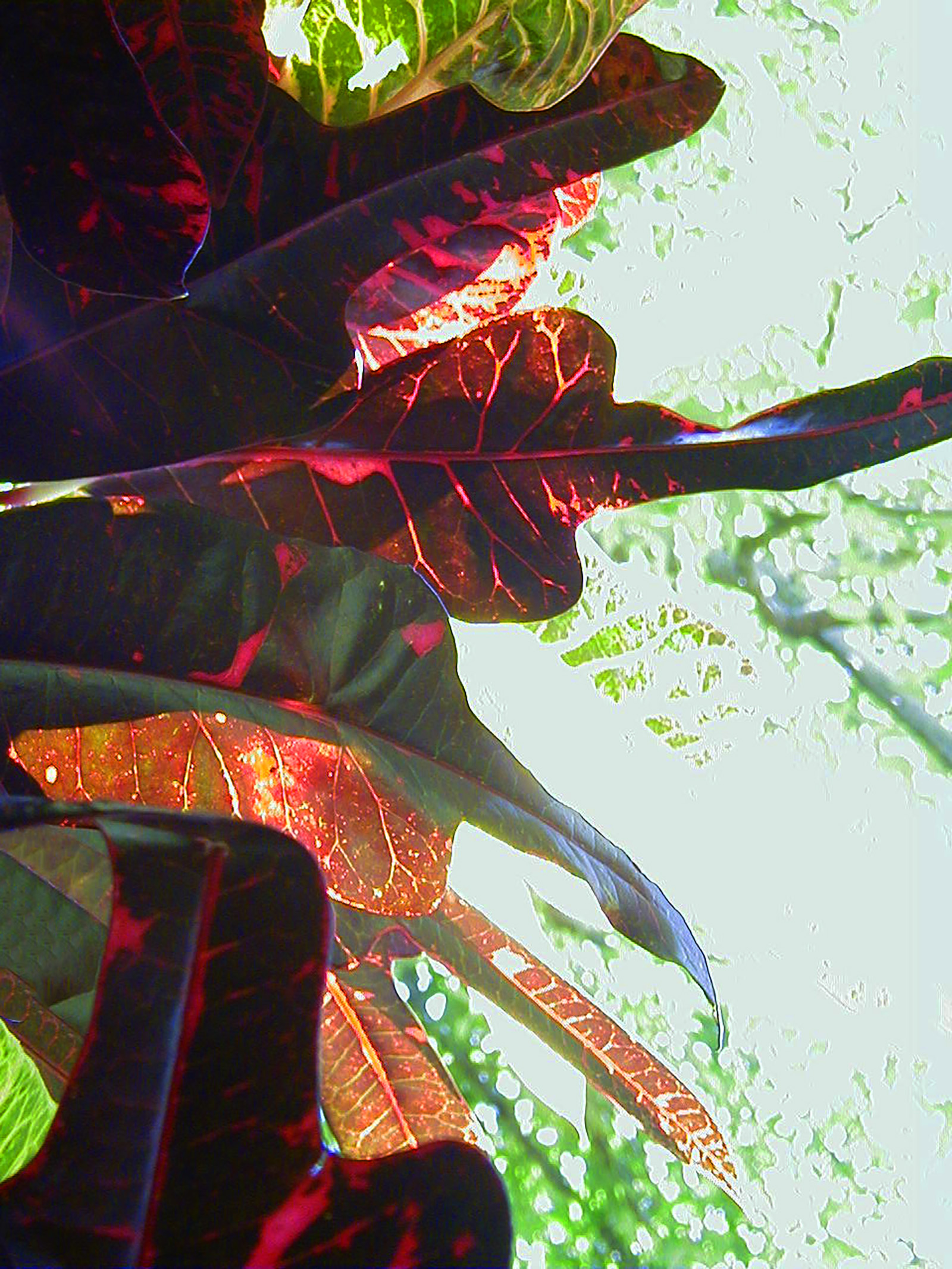 Sughra Raza. Color Burst, Costa Rica 2003.
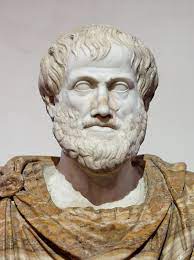 For many of the ancient philosophers that we still read today, philosophy was not only an intellectual pursuit but a way of life, a rigorous pursuit of wisdom that can guide us through the difficult decisions and battle for self-control that characterize a human life. That view of philosophy as a practical guide faded throughout much of modern history as the idea of a “way of life” was deemed a matter of personal preference and philosophical ethics became a study of how we justify right action. But with the recognition that philosophy might speak to broader concerns than those that get a hearing in academia, this idea of philosophy as a way of life
 Andreu Mas-Collel, a mathematical economist from Catalonia, came to Berkeley before I did. He was a student activist in Barcelona, was expelled from his University for activism (those were the days of Franco’s Spain), and later finished his undergraduate degree in a different university, in north-west Spain. When I met him in Berkeley he was already a high-powered theorist using differential topology in general-equilibrium analysis, in ways that were far beyond my limited technical range in economic theory. But when we met, it was our shared interest in history, politics, and culture that immediately made us good friends, and his warm cheerful personality was an added attraction for me. (His wife, Esther, a mathematician from Chile, was as decent a person as she was politically alert).
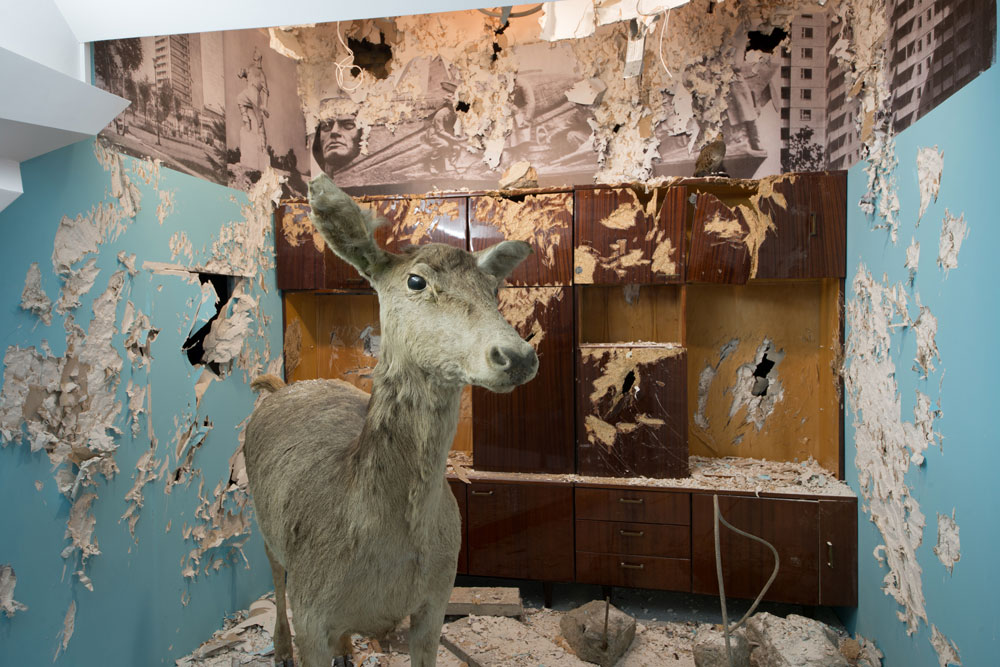 Nikita Kadan. Hold The Thought, Where The Story Was Interrupted, 2014.