by Tim Sommers
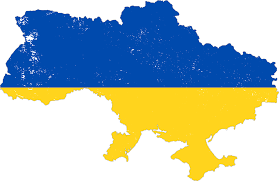
The New York Times’ columnist who thought that a good way to capture the interconnectedness of the modern world was to say that “The World is Flat” – an idea, arguably, better captured by saying that the world is round (which it is) – recently joined the chorus of pundits saying, yeah, Putin started the war in the Ukraine, but the U.S. is also to blame – or at least, “America is not entirely innocent of fueling [Putin’s] fires.”
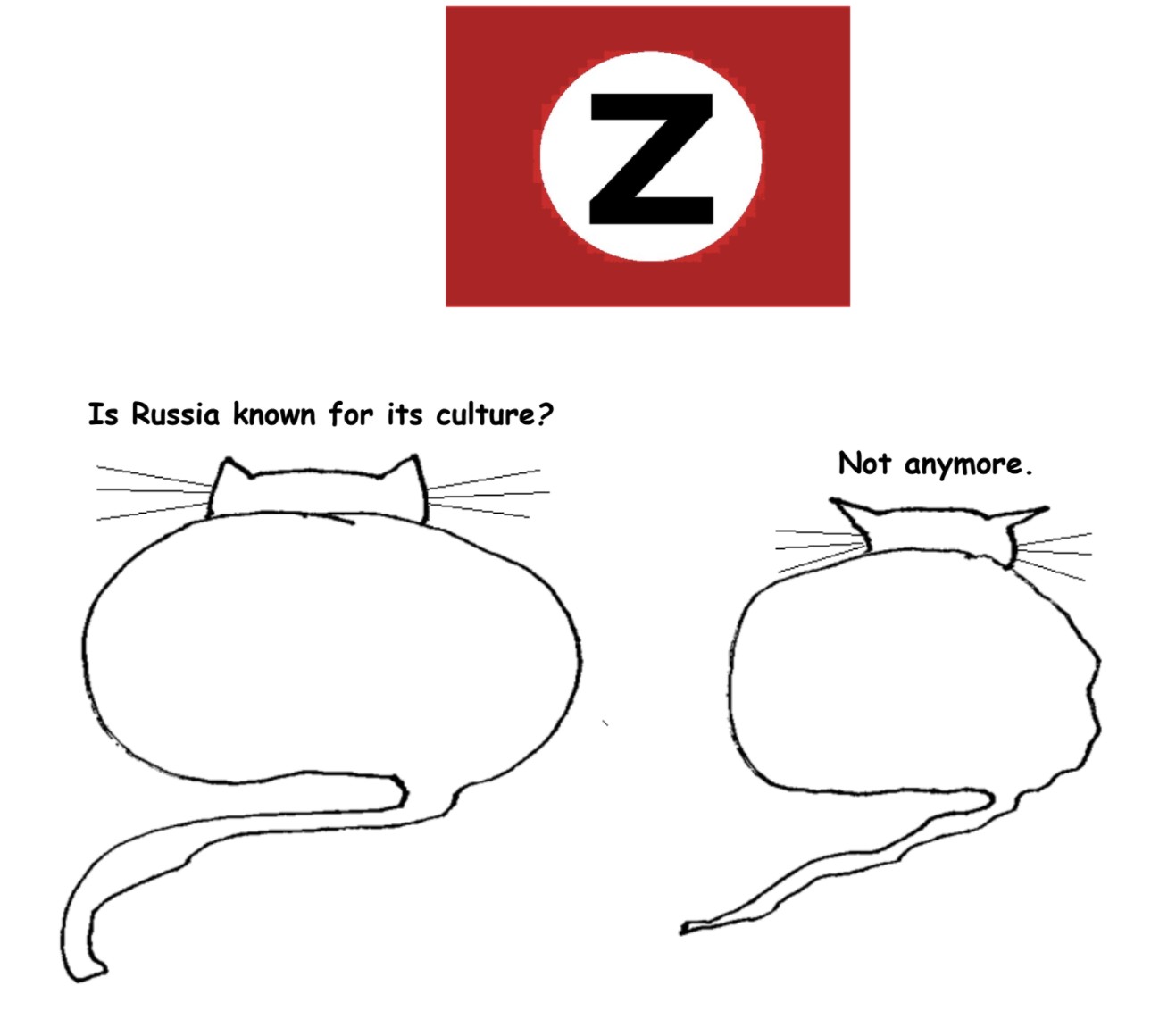
Former Kremlin advisor Sergey Karaganov has been widely quoted (more quoted, than vetted, I think) as saying “For 25 years, people like myself have been saying that if NATO and Western alliance’s expand beyond certain red lines, especially into Ukraine, there will be a war. I envisioned that scenario as far back as 1997.” Envisioned, maybe, is not the right word. As an influential advisor to Putin, it seems he advised Putin that destroying the Ukraine was necessary to prevent NATO expansion. In an interesting turn of phrase Karaganov now says that what Russia “needs is a kind of solution which would be called peace.” Which would be called peace? Right. That doesn’t sound ominous, at all.
There are plenty of other examples of the argument that the West, the U.S., and/or NATO, share blame for the war for not making clear that they would never, ever going allow the Ukraine to join NATO – even if that would have been good for both parties (absent Russian aggression). What if anything is wrong with this style of argument? Scholars and theorists of foreign affairs call the view represented “realism”. Personally, I’m against it. Read more »
 Every hour of every day I hear the pulsating rush of le Periph and I am reminded that Paris is dead. My dorm is at the very bottom of Paris such that if the city were a ball I’d be the spot that hits the ground. I sit in my windowsill. I watch cars drive on the highway in an unending flow, like blood in veins, fish in streams, but they’re all metal idols of life. Life does not go this fast. Life stops to take a rest.
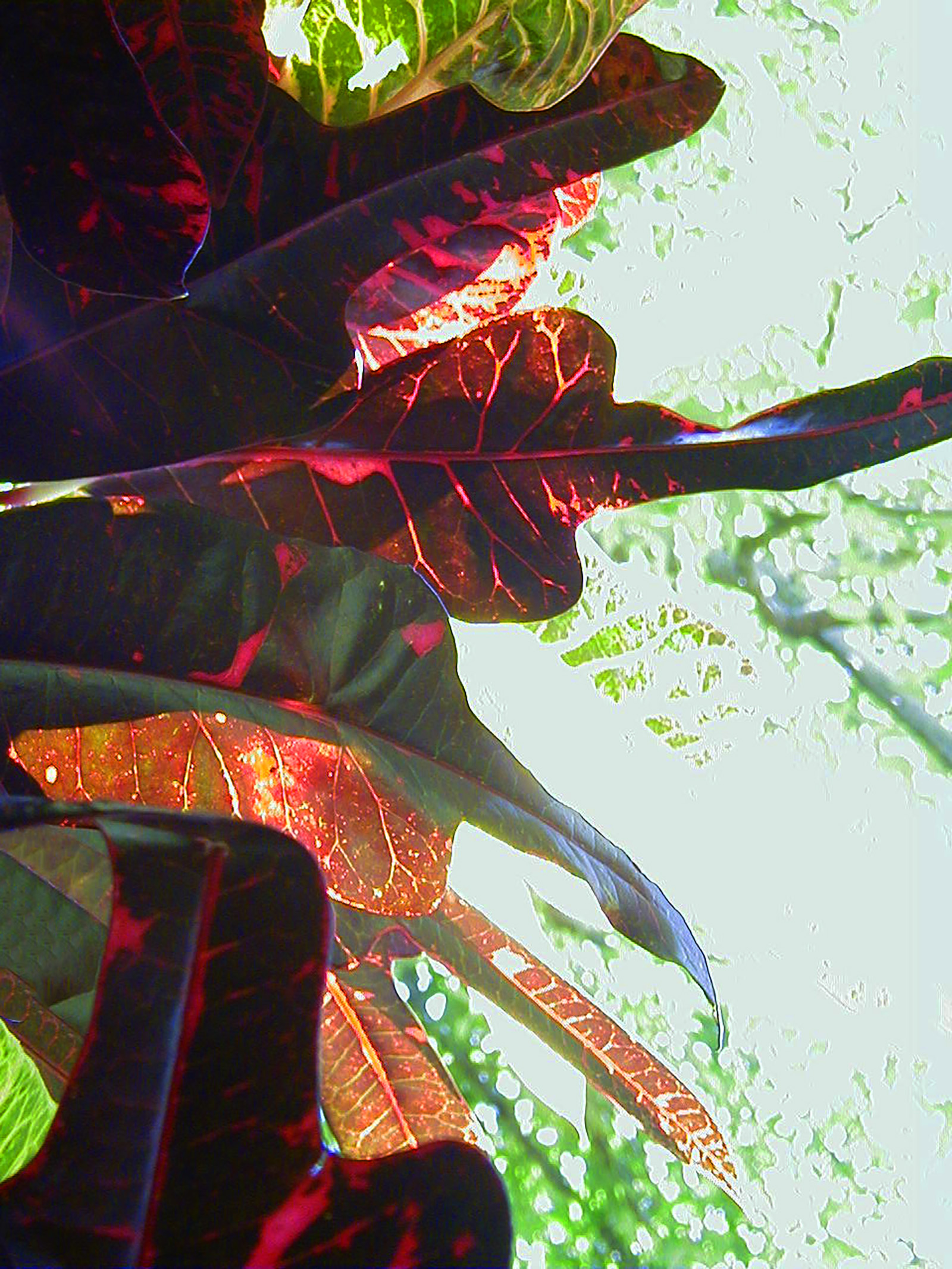 Sughra Raza. Color Burst, Costa Rica 2003.
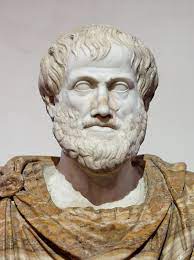 For many of the ancient philosophers that we still read today, philosophy was not only an intellectual pursuit but a way of life, a rigorous pursuit of wisdom that can guide us through the difficult decisions and battle for self-control that characterize a human life. That view of philosophy as a practical guide faded throughout much of modern history as the idea of a “way of life” was deemed a matter of personal preference and philosophical ethics became a study of how we justify right action. But with the recognition that philosophy might speak to broader concerns than those that get a hearing in academia, this idea of philosophy as a way of life


 Andreu Mas-Collel, a mathematical economist from Catalonia, came to Berkeley before I did. He was a student activist in Barcelona, was expelled from his University for activism (those were the days of Franco’s Spain), and later finished his undergraduate degree in a different university, in north-west Spain. When I met him in Berkeley he was already a high-powered theorist using differential topology in general-equilibrium analysis, in ways that were far beyond my limited technical range in economic theory. But when we met, it was our shared interest in history, politics, and culture that immediately made us good friends, and his warm cheerful personality was an added attraction for me. (His wife, Esther, a mathematician from Chile, was as decent a person as she was politically alert).


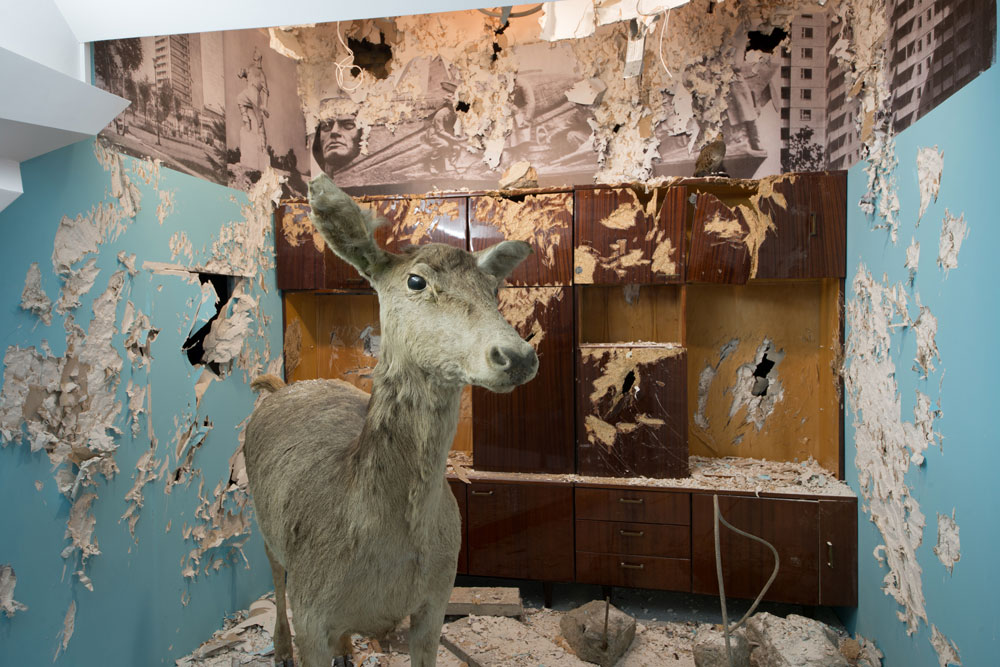 Nikita Kadan. Hold The Thought, Where The Story Was Interrupted, 2014.