by Carol A Westbrook

I pulled my mask up, making sure to cover my nose and mouth as we walked into the supermarket.
My husband looked at me quizzically.
“Why are you putting on your mask?”
I pulled off my mask and gave him a sheepish grin.
I forgot that the mask mandate had been lifted because the Covid-19 case rate is now so low that the chance of infection was almost negligible. But I know that this is temporary, as we will probably have another spike in the fall with the emergence of yet another Omicron variant. But for now we have a temporary reprieve, and we could get back to “normal.” But what is normal? Two years under the threat of Covid-19 has changed the way we do things. The post-pandemic normal will be different than it was before Covid, and here is how I think things will look.
We have changed the way we shop. For me, and for many other people, this is the first time I’ve actually shopped for groceries in person instead of ordering online. As I walked in, the store felt like a wonderland, so full of good things to buy that I couldn’t make up my mind. Yes, they even had toilet paper! Every brand and any size! (Remember the first few weeks of the lockdown, when one of our biggest fears was to be caught with our pants down, with nothing to wipe our rear ends?) Still, some products were in short supply, with their empty spots glaringly obvious, like a mouth with a missing tooth. Supply chain problems, they said. Read more »
 In the Berkeley hills there is a campus bus but the nearest bus stop is about a one-mile walk from my home, if you take a short cut through a meadow, but it gets quite muddy in the rainy season. Still, after some years I opted for taking the campus bus rather than my car on weekdays. One regular passenger I used to meet in the bus was a distinguished nonagenarian, Charles Townes, who had won the 1964 Physics Nobel Prize for inventing the laser (later he was also involved in the team that discovered the black hole at the center of the Milky Way galaxy). In a campus lecture that I once gave on Globalization I was thrilled to see him at the front in the audience. He was active in the campus even in his 100th year, shortly before his death.
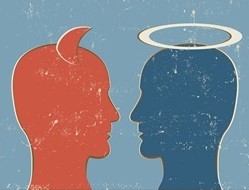 Beliefs about the essential goodness or badness of human beings have been at the heart of much political theory.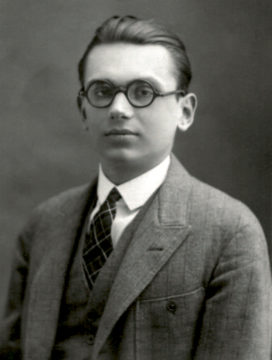
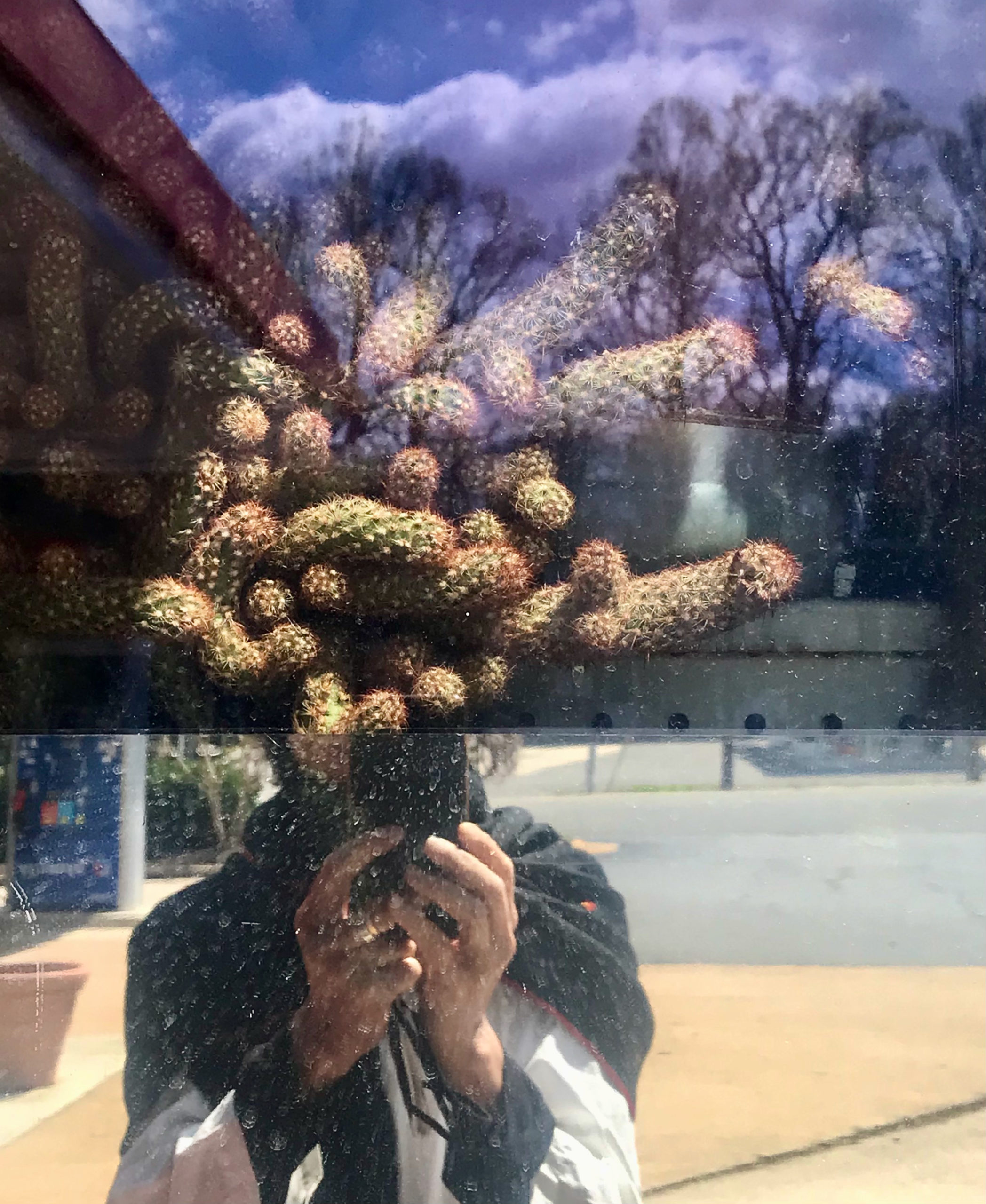 Sughra Raza. Self Portrait at Gas Station, April 3, 2022.
 And then I started trying to warn people about the dangers of algorithms when we trust them blindly. I wrote a book called Weapons of Math Destruction, and in doing so I interviewed a series of teachers and principals who were being tested by this new-fangled algorithm called the value-added model for teachers. And it was high stakes. They were being denied tenure or even fired based on low scores, but nobody could explain their scores. Or shall I say, when I asked them, “Did you ask for an explanation of the score you got?” They often said, “Well, I asked, but they told me it was math and I wouldn’t understand it.”
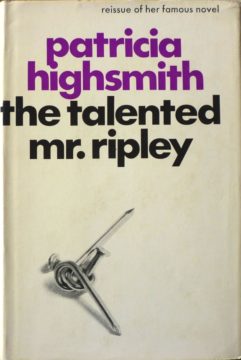 The character of the American abroad is an archetype in American fiction. By placing the American outside of his native country (usually in Europe), writers such as Henry James and James Baldwin were able to explore what constitutes American identity. More often than not, this identity is revealed in their novels not through what the identity contains, but in what it lacks.
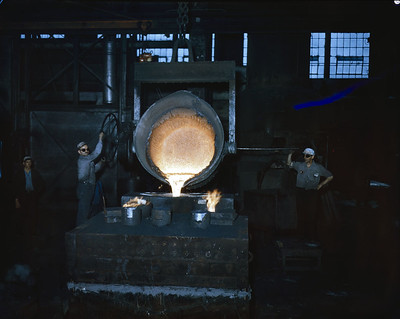 It is a strange enough thing to collect knives. It is a step stranger still to collect sharpening stones; a further abstraction from reality, an auxiliary activity supporting a hobby which is itself a pantomime of preparedness and practicality. No matter. Once one is lodged firmly enough down a rabbit hole, the only options available are to hope for rescue, or to keep crawling deeper. I have clearly chosen the latter.
 I am leaving, and I am taking nothing.
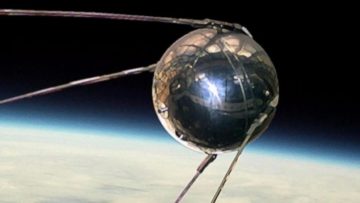 In Barcelona the daily scramble to deliver children to school results in terrible congestion in the upper part of the city, where the more economically privileged send their children. Watching this phenomenon brings back my own school days, when the most embarrassing thing any of us could imagine was being dropped off by parents. If such a thing were necessary for some unavoidable reason, the kids urged their parents to drop them a short distance away from the school so their peers wouldn’t see them getting out of the car. To be seen being coddled in this way was unimaginably embarrassing, almost as bad as having your mother show up to deliver a forgotten lunch box. Everything about parents tended to be embarrassing and much of the time we pretended not to have any. But there was a single exception to the drop-off rule. If the parents happened to own a 1956 Chevrolet, with its futuristic swept-wing design, then it was obligatory to be dropped off at school on some occasion, even if the ride was for only for a couple of blocks, so the other kids could look with sheer envy on this most prestigious possession.
  At least Ben was polite about it. The rest of Judge Jackson’s hearing was absolutely awful. If you watched or read or otherwise dared approach the seething caldron of toxicity created by the law firm of Cotton, Cruz, Graham & Hawley (no fee unless a Democrat is smeared) you’ve probably had more than enough, so I’ll try to be brief before getting to more substantive matters.